Shower Stall for Elderly: Walk-in Shower Safety Guide 2026
A complete guide to choosing the safest shower stall for elderly users — covering walk-in, curbless, and roll-in designs, ADA requirements, essential safety features, tub-to-shower conversions, costs, and the best brands for aging in place.

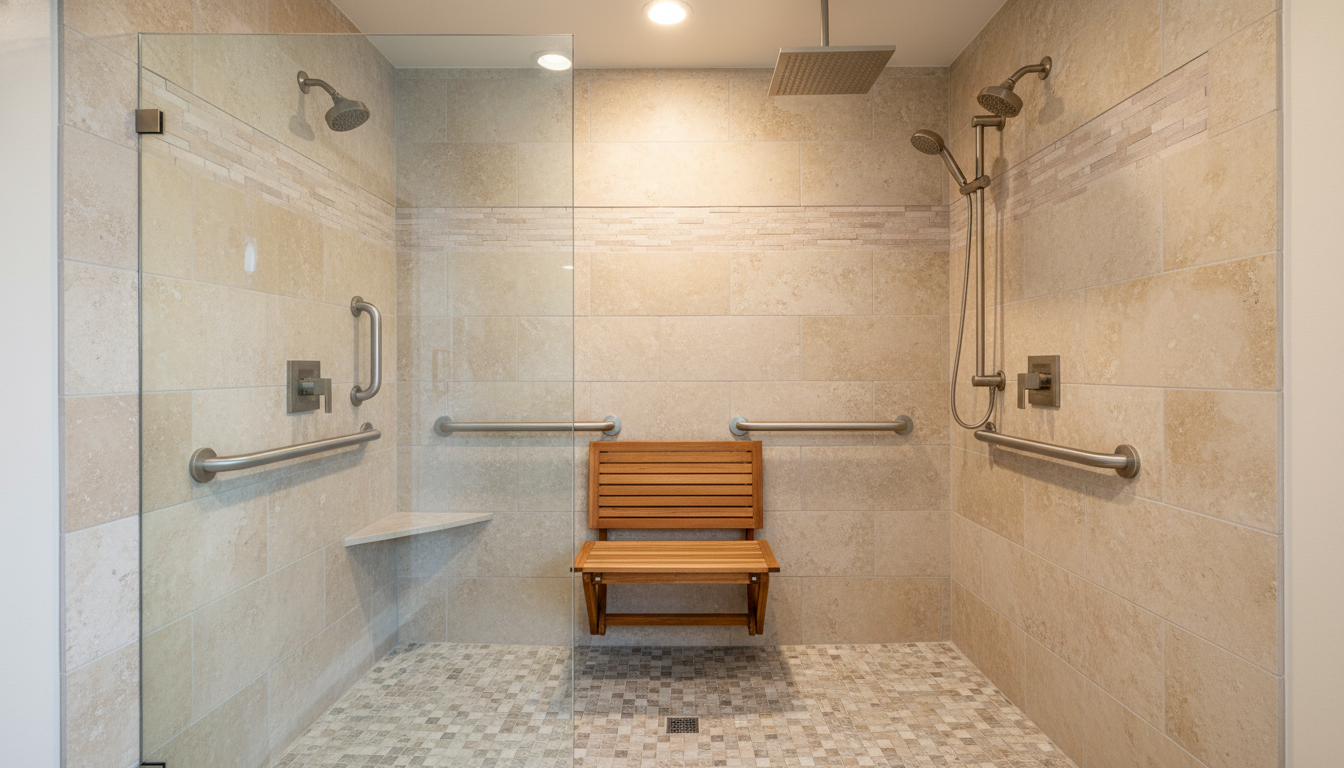
Why the Right Shower Stall Matters for Elderly Safety
The shower is the single most dangerous area in the most dangerous room of the house for seniors. The combination of wet surfaces, standing balance requirements, temperature exposure, and the physical effort of stepping over barriers makes showering a high-risk activity for anyone with reduced mobility, balance issues, or age-related physical changes.
According to the CDC, approximately 235,000 Americans over age 65 are treated in emergency departments each year for bathroom-related injuries, and the majority of these occur in and around the shower or bathtub. A traditional bathtub with its 14–16 inch step-over height is the primary culprit. Even a standard shower stall with a 4–6 inch curb presents a tripping hazard that compounds with age.
Choosing the right shower stall for elderly users is not about adding a couple of grab bars to an existing setup. It requires rethinking the entire shower experience — from entry and exit to seating, water control, and flooring — to eliminate every point of vulnerability. The good news is that modern walk-in shower designs accomplish this while looking elegant and contemporary, not clinical or institutional.
Key Fact: Research from the National Institute on Aging shows that removing the bathtub step-over and replacing it with a low-threshold or zero-threshold shower entry reduces bathroom fall risk by up to 40%. For seniors with balance disorders, this single modification can be the difference between maintaining independence and requiring assisted living.
Types of Shower Stalls for Elderly: Understanding Your Options
Not all accessible showers are created equal. The right choice depends on the senior's current mobility level, anticipated future needs, bathroom space, and budget. Here is a detailed look at each type of shower stall for elderly users.
Walk-in Shower (Low-Threshold)
A walk-in shower for seniors features a reduced threshold — typically 1 to 4 inches — that is significantly easier to step over than a traditional bathtub or standard shower curb. This is the most common accessible shower upgrade and represents a good balance between safety improvement and installation cost.
Low-threshold walk-in showers work well for seniors who can still step over a small lip with the support of a grab bar. The threshold contains water within the shower area, which means the surrounding bathroom floor stays dry — an important consideration since water on the bathroom floor is itself a fall hazard.
Prefabricated walk-in shower kits from brands like Kohler, American Standard, and Freedom Showers make installation straightforward. These kits include the shower pan, wall surrounds, and often a built-in seat, allowing a contractor to complete the installation in 1–3 days.
Curbless (Zero-Threshold) Shower
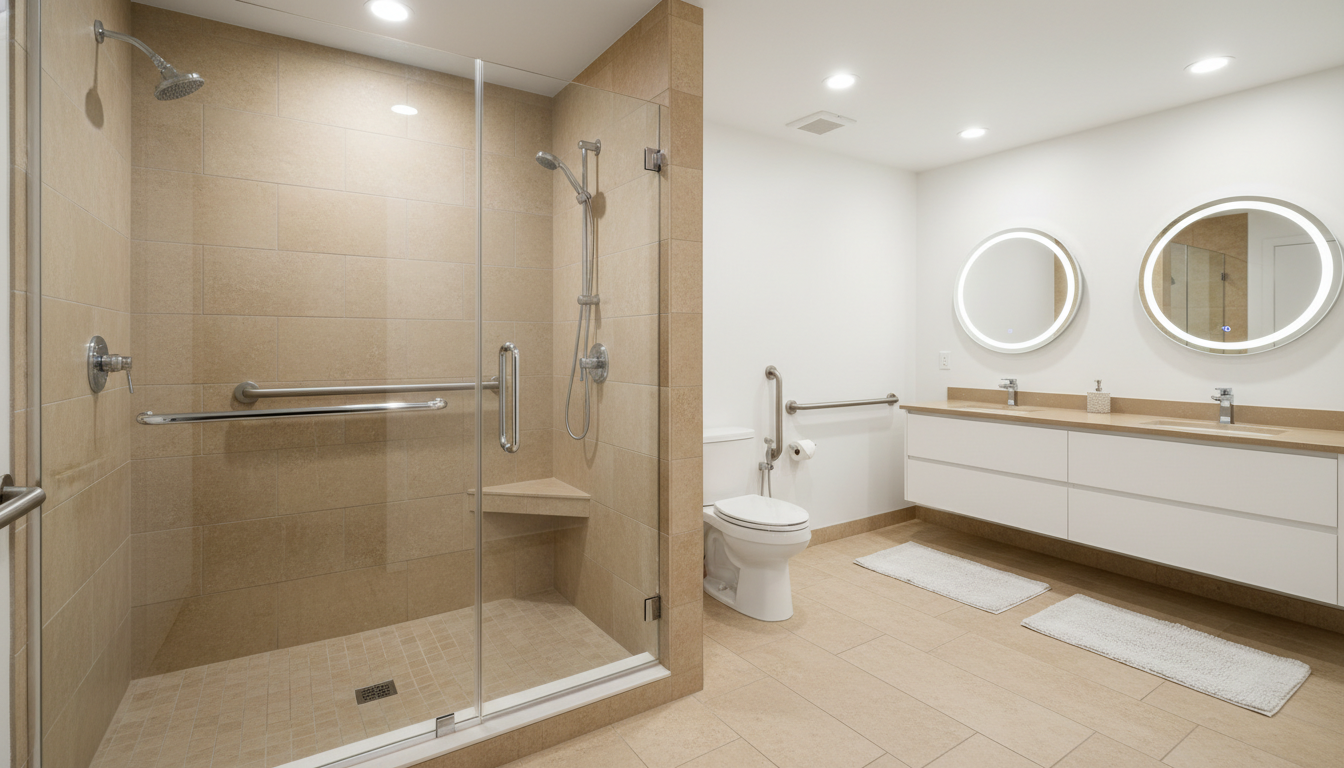
A curbless shower, also called a zero-threshold shower or barrier-free shower, has no step or lip at all. The bathroom floor transitions seamlessly into the shower area with a gentle slope toward the drain. This is the gold standard for aging-in-place shower design and the option we recommend most frequently.
The curbless design eliminates 100% of the tripping hazard associated with shower entry. It also accommodates walkers and wheelchairs, making it the most future-proof option. If a senior's mobility declines from walking independently to using a walker or wheelchair, a curbless shower requires no further modification.
Construction requires recessing the shower floor to create the drainage slope (typically 1/4 inch per foot). A linear drain along one edge is preferred over a center drain because it allows a single-direction slope that is more comfortable and stable for walking or rolling. This structural work is why curbless showers cost more than low-threshold alternatives.
Roll-in Shower
A roll-in shower is a curbless shower specifically designed for wheelchair access. It typically features a larger footprint (minimum 36×60 inches, with 60×60 inches being ideal), a fold-down shower seat at the appropriate height, grab bars positioned for transfer support, and a handheld showerhead reachable from a seated position.
The key distinction between a roll-in shower and a standard curbless shower is the attention to wheelchair-specific needs: adequate turning radius, grab bar positions that support the transfer from wheelchair to shower seat, and a floor slope gentle enough that the wheelchair does not roll unexpectedly.
Transfer Shower
A transfer shower is designed for wheelchair users who cannot stand. The shower stall is sized so that the wheelchair can be positioned flush against the open side, allowing the user to slide sideways from the wheelchair onto the built-in shower bench. Standard transfer shower dimensions are 36×36 inches with an L-shaped grab bar configuration that supports the lateral transfer.
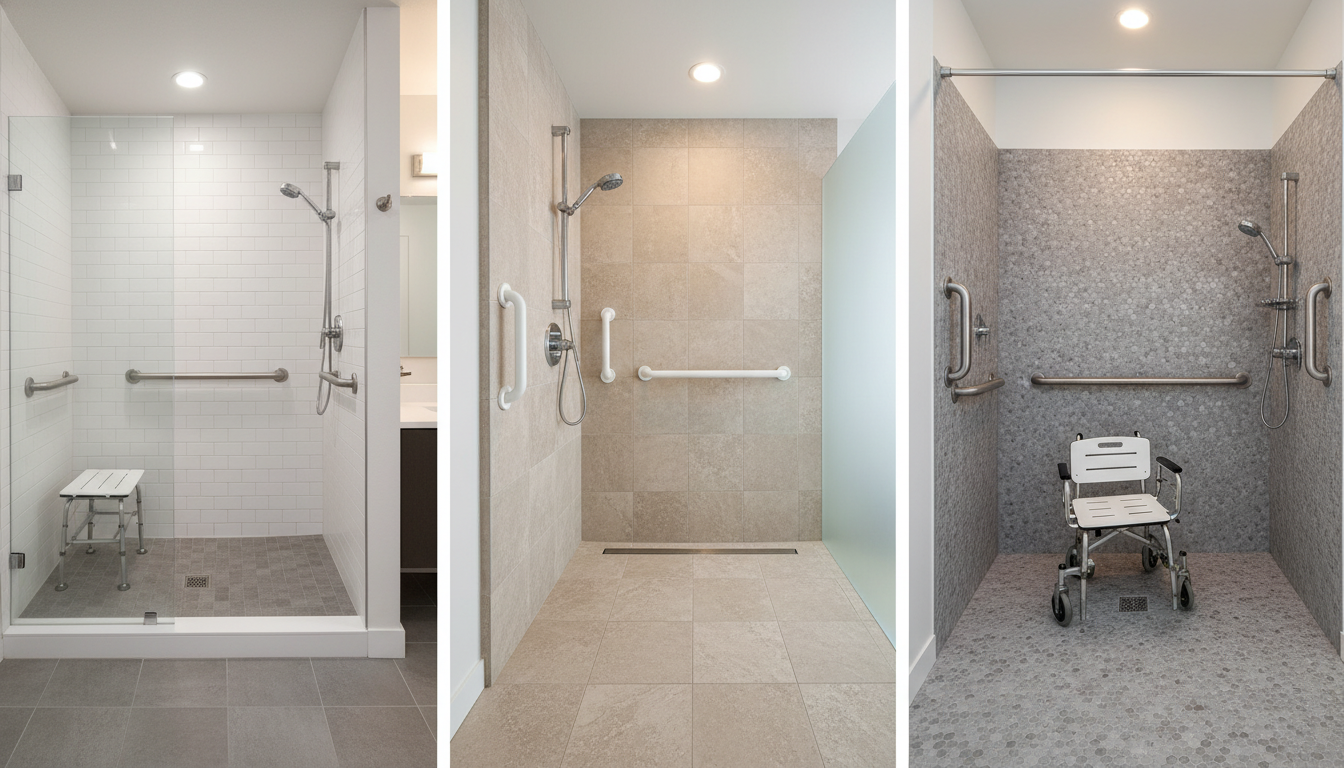
Shower Stall Comparison Table
| Feature | Walk-in (Low Threshold) | Curbless (Zero Threshold) | Roll-in (Wheelchair) | Transfer Shower |
|---|---|---|---|---|
| Threshold Height | 1–4 inches | 0 inches | 0 inches | 0–2 inches |
| Min. Dimensions | 30×60 in | 36×60 in | 60×60 in | 36×36 in |
| Wheelchair Access | No | Yes (with adequate size) | Yes (designed for it) | Transfer only |
| Walker Access | Difficult | Yes | Yes | No |
| Installed Cost | $2,000–$5,000 | $4,000–$10,000 | $6,000–$15,000 | $3,000–$7,000 |
| Installation Time | 1–3 days | 3–5 days | 5–7 days | 2–4 days |
| Best For | Ambulatory seniors with mild balance issues | Most seniors, future-proofing | Current wheelchair users | Wheelchair users, small bathrooms |
Essential Safety Features for Any Elderly Shower Stall
Regardless of which shower type you choose, these safety features should be considered non-negotiable in any shower stall for elderly users.
Grab Bars
Grab bars are the most important safety addition to any shower. We recommend a minimum of three bars in every elderly shower stall:
- Vertical bar at entry: 18–24 inches long, positioned at the shower entrance at a height of 33–36 inches from the floor. This provides support during the most vulnerable moment — stepping in and out.
- Horizontal bar on back wall: 24–36 inches long, mounted at 33–36 inches height. Provides continuous support while standing, moving within the shower, or transitioning to the shower seat.
- Angled bar near controls: A diagonal bar (angled at approximately 45 degrees) near the shower valve allows the user to brace while reaching to adjust water temperature and flow.
Grab bars must be anchored into wall studs or structural blocking — never into drywall or tile alone. For detailed installation guidance, see our grab bar installation guide. Modern grab bars from brands like Moen and Delta come in decorator finishes that match other bathroom hardware, eliminating the institutional look.
Shower Seating
Shower seating for elderly users reduces standing time and provides a stable base for bathing. There are three main options:
- Built-in tile bench: A permanent seat built into the shower wall, typically 17–19 inches high and 15–16 inches deep. Most durable and attractive but adds construction cost. Best for new shower construction.
- Fold-down shower seat: A wall-mounted seat that folds flat against the wall when not in use. ADA-compliant models support 250–500 pounds. Cost: $150–$500 installed. Ideal for showers where space is limited or the seat is not always needed.
- Shower chair or transfer bench: A freestanding chair placed inside the shower. Cost: $30–$200. Most portable and affordable but can shift on wet surfaces if not equipped with rubber-tipped legs and suction cups.
Whatever seating option you choose, ensure it is positioned so the user can reach the shower controls, the handheld showerhead, and at least one grab bar from a seated position.
Handheld Showerhead
A handheld showerhead on an adjustable slide bar is essential for elderly shower safety. It allows the user to direct water exactly where needed from both standing and seated positions, eliminating the dangerous contortions that fixed showerheads require.
We recommend a slide bar that extends from approximately 36 inches to 72 inches above the shower floor, accommodating both seated and standing use. For seniors with arthritis, look for models with a thumb-press pause button and ergonomic grip that does not require twisting or squeezing. Cost: $50–$300 for the showerhead and slide bar assembly.
Anti-Scald Protection
An anti-scald valve (thermostatic mixing valve) is a critical safety feature that limits the maximum water temperature to prevent burns. Seniors often have reduced temperature sensitivity in their extremities, meaning they may not feel dangerously hot water until damage has occurred.
The recommended maximum temperature setting is 120°F. Thermostatic valves automatically adjust the hot/cold mix if the cold water supply fluctuates (such as when someone flushes a toilet elsewhere in the house), preventing the sudden temperature spike that causes many scalding injuries. Cost: $150–$400 for the valve plus installation.
Slip-Resistant Shower Floor
The shower floor must provide excellent wet traction. We recommend a DCOF (Dynamic Coefficient of Friction) rating of 0.80 or higher for shower stall floors — higher than the 0.60 minimum we recommend for general bathroom flooring, because shower floors are continuously wet during use.
Small-format mosaic tiles (2×2 inches or smaller) with textured surfaces are ideal because the grout lines create additional grip. Prefabricated shower pans with factory-applied texture patterns are a reliable alternative. For comprehensive flooring guidance, see our non-slip bathroom flooring guide.
Tub-to-Shower Conversion: The Most Common Elderly Bathroom Project
Converting an existing bathtub to a walk-in shower for seniors is the single most requested aging-in-place modification we encounter. The traditional bathtub with its high step-over is the primary cause of bathroom entry/exit falls, and removing it transforms bathroom safety overnight.
What the Conversion Involves
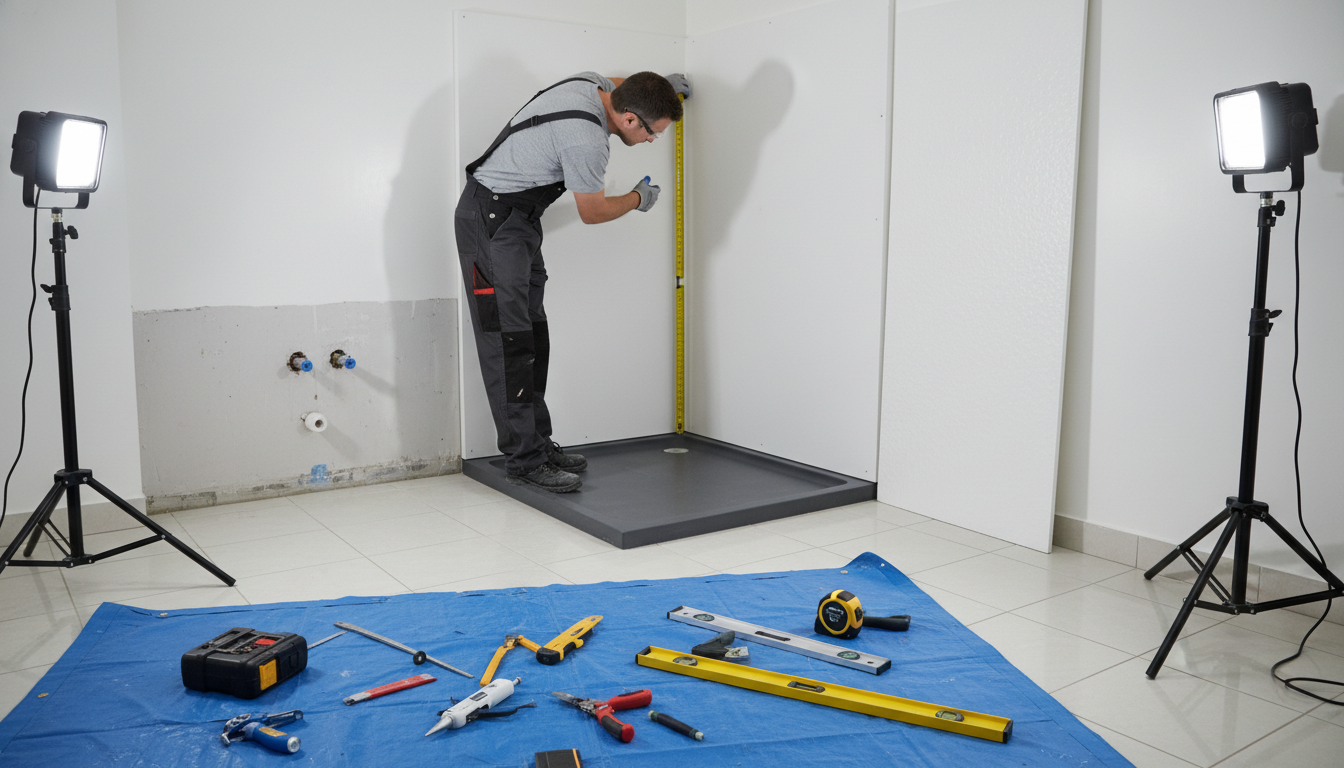
A tub-to-shower conversion typically follows this process:
- Day 1: Remove the existing bathtub, disconnect plumbing, inspect the subfloor for water damage, and install any necessary subfloor repairs
- Day 2: Install the shower pan (or construct a curbless floor with waterproof membrane and drainage), rough in any new plumbing for the shower valve, handheld showerhead, and grab bar blocking
- Day 3: Install wall surrounds or tile, mount the shower valve, showerhead, and grab bars, apply caulking and waterproof sealing
- Day 4 (if needed): Install glass door or curtain, final fixture installation, cleanup, and inspection
Most standard tub-to-shower conversions using a prefabricated walk-in shower kit can be completed in 1–3 days. Custom tile work with a curbless design typically takes 3–5 days. During the conversion, the bathroom is unusable, so plan for the senior to have access to an alternative bathroom.
Conversion Costs
Here is what to expect for walk-in shower installation cost in 2026:
- Basic prefab kit conversion: $2,000–$4,000. Includes tub removal, new shower pan, acrylic wall surround, standard shower valve, and basic showerhead. This is the most affordable option and works well for straightforward conversions.
- Mid-range custom conversion: $5,000–$8,000. Includes custom tile work, low-threshold or curbless entry, grab bars, fold-down bench, handheld showerhead on slide bar, and anti-scald valve.
- Premium curbless conversion: $8,000–$15,000. Includes custom tile with premium materials, linear drain, frameless glass panel, built-in bench, designer grab bars, body spray system, and full ADA compliance.
Factors that increase cost include unexpected subfloor damage (common in older homes), plumbing relocation, structural reinforcement for grab bar blocking, and the need to reroute the drain for a curbless design.
Walk-in Shower vs. Walk-in Tub for Elderly
The debate between a walk-in shower vs. walk-in tub is one of the most common questions we receive. Both are marketed as senior-safe bathing solutions, but they serve different needs and have very different practical implications.
We recommend walk-in showers for the majority of seniors for several reasons:
- Faster entry/exit: A walk-in shower is available immediately. A walk-in tub requires sitting inside while it fills (5–10 minutes) and drains (5–10 minutes), during which the user is sitting in an increasingly cold, empty tub.
- Zero threshold possible: A curbless shower has a 0-inch threshold. Even the best walk-in tubs have a 3–7 inch step-in, which can be problematic for seniors with severe mobility limitations.
- Wheelchair compatible: A curbless or roll-in shower accommodates wheelchairs. Walk-in tubs do not.
- Lower cost: Walk-in showers cost $2,000–$10,000 installed. Walk-in tubs cost $5,000–$15,000 installed.
- Better resale value: Walk-in showers appeal to buyers of all ages. Walk-in tubs have niche appeal and can actually reduce home value for some buyers.
Walk-in tubs are the better choice for seniors who specifically need or want soaking baths, particularly those who benefit from hydrotherapy for arthritis or chronic pain. Brands like Kohler, Safe Step, and Ella Bubbles offer models with therapeutic air and water jets. For a deeper comparison, see our walk-in tub vs. roll-in shower guide and walk-in tub cost guide.
ADA Requirements for Shower Stalls
ADA shower requirements technically apply only to public and commercial facilities, but they provide the best framework for residential elderly shower design. Meeting these standards ensures your shower will accommodate the widest range of mobility challenges.
Key ADA shower specifications:
- Transfer shower: 36×36 inches minimum, with a seat at 17–19 inches height
- Roll-in shower: 30×60 inches minimum (60×60 inches preferred), zero threshold
- Grab bars: 33–36 inches above the floor, supporting at least 250 pounds of force
- Shower seat: Fold-down or built-in, 17–19 inches from the floor, minimum 15 inches deep, supporting 250+ pounds
- Controls: Offset toward the shower entrance so the user can adjust water before entering the wet area
- Threshold: Maximum 1/2 inch for standard accessible, 0 inches for roll-in designs
- Shower spray unit: Handheld type on a slide bar, positioned for both standing and seated use
Even if you are not targeting full ADA compliance, these specifications represent best practices developed through decades of accessibility research. They are worth following.
Choosing Shower Doors and Enclosures
The shower enclosure is both a practical and aesthetic decision. For elderly shower stalls, safety considerations should drive the choice:
- Frameless glass panel (no door): A fixed glass panel that covers approximately half the shower opening provides splash protection while leaving a wide, unobstructed entry. This is the safest option for seniors because there is no door to manipulate, no track to step over, and no hardware to grasp. Cost: $300–$800.
- Pivot or swing glass door: A single glass panel on hinges. Choose tempered safety glass and ensure the door swings outward (or both ways) so it cannot trap a fallen senior inside. Cost: $400–$1,200.
- Sliding glass door: Saves space but the bottom track can be a tripping hazard and collects debris. If choosing a slider, look for low-profile tracks with beveled edges. Cost: $300–$1,000.
- Shower curtain: The most affordable and safest option in terms of entry/exit — no glass, no track, no hardware to malfunction. A weighted curtain or curved curtain rod keeps water contained effectively. Cost: $20–$100.
For glass shower door elderly applications, always specify tempered safety glass. If the glass breaks (which is rare), it shatters into small, relatively harmless pieces rather than dangerous shards. Frosted or patterned glass provides privacy while still allowing caregivers to see silhouettes for safety monitoring.
Medicare Coverage and Financing Options
One of the most common questions families ask is does Medicare cover walk-in showers. The short answer is no — standard Medicare (Parts A and B) does not cover bathroom modifications, including shower conversions. Medicare classifies these as home improvements rather than durable medical equipment.
However, some Medicare Advantage (Part C) plans include supplemental benefits for home modifications. This is a relatively new benefit category, so check with your specific plan. Additionally, Medicare does cover the shower chair or transfer bench as DME if prescribed by a physician and deemed medically necessary.
Funding alternatives for shower modifications:
- Medicaid HCBS Waivers: Many states cover bathroom modifications including shower conversions through Home and Community-Based Services waivers. Coverage varies by state but can range from $3,000 to $15,000.
- VA SAH and HISA Grants: Veterans with service-connected disabilities may qualify for substantial grants. The SAH grant covers up to $109,986 (2026), and the HISA grant covers up to $6,800.
- USDA Section 504: Grants up to $10,000 for home repairs for very low-income elderly rural homeowners.
- Area Agency on Aging: Local agencies administer various grant and low-interest loan programs. Contact the Eldercare Locator at 1-800-677-1116.
- Re-Bath and similar companies: Some national bathroom remodeling companies like Re-Bath offer financing programs with promotional 0% interest periods.
For a complete breakdown of funding options, see our financial assistance guide for senior home modifications and Medicare home modifications guide.
Cost Perspective: A mid-range walk-in shower conversion at $5,000–$8,000 is a one-time investment that can extend safe independent living by years. Compare this to the $54,000+ annual cost of assisted living, and the shower conversion pays for itself in less than two months of avoided facility costs.
Making an Existing Shower Safer Without Full Replacement
If a full shower replacement is not currently feasible, there are meaningful safety improvements you can make to an existing shower stall for elderly use:
- Add grab bars: The single highest-impact addition at $50–$200 per bar installed. Even in an existing shower, properly anchored grab bars dramatically reduce fall risk. See our grab bar installation guide.
- Install a handheld showerhead: Replace the fixed showerhead with a handheld model on a slide bar. Most connect to the existing shower arm with no tools beyond a wrench. Cost: $30–$150.
- Add a shower chair: A freestanding chair with rubber-tipped legs and a backrest provides a stable seating option. Cost: $30–$200.
- Apply anti-slip treatment: Products like SlipDoctors create a micro-texture on existing tile or fiberglass that improves wet traction. Cost: $20–$50 for a DIY kit. Lasts 1–3 years.
- Install an anti-scald valve: A plumber can add a thermostatic mixing valve to the existing shower plumbing. Cost: $150–$400.
- Add a fold-down bench: Wall-mounted fold-down seats install with screws into wall studs and provide a stable seating surface. Cost: $100–$400 installed.
- Replace the shower door: If the existing door has a high track or difficult-to-grasp handle, replace it with a curtain or outward-swinging glass panel. Cost: $20–$500.
These modifications can be implemented for $500–$1,500 total and represent an excellent interim solution while planning a comprehensive bathroom remodel. For a full assessment of your bathroom's safety status, use our senior bathroom safety checklist or schedule a professional home safety assessment.
Walk-in Shower Ideas for Small Bathrooms
Limited bathroom space does not have to mean compromising on shower safety. Here are strategies for creating an accessible elderly shower stall in small bathrooms:
- Wet room design: Convert the entire bathroom into a wet room where the floor slopes to a central drain. The shower is simply one area of the room without a separate enclosure. This maximizes usable space and eliminates all barriers.
- Corner entry shower: A neo-angle shower with a 36×36 inch footprint fits into a corner while providing adequate interior space for a fold-down seat and grab bars.
- Replace tub with 30×60 shower: A standard bathtub footprint (30×60 inches) converts directly to a walk-in shower of the same dimensions — no floor plan changes required.
- Glass panel instead of door: A fixed glass panel takes up zero floor space when "open" and provides adequate splash protection for small bathrooms.
- Fold-down fixtures: A fold-down shower seat, fold-up grab bar, and retractable showerhead hose keep the shower interior open when not in use.
For comprehensive bathroom design for aging in place including space planning strategies, see our dedicated design guide.
Ready to Find the Right Shower Solution?
A professional home safety assessment evaluates your current bathroom, measures your space, and recommends the specific shower configuration that best fits your loved one's needs and budget.
Explore Home Safety Assessments About Margaret Chen
Certified Aging-in-Place Specialist & Senior Care Advisor
CAPS-certified senior care advisor with 15+ years helping families plan for safe aging at home. Margaret specializes in accessible shower design, tub-to-shower conversions, and ADA-compliant bathroom solutions for seniors.
Related Articles

Walk-in Tub vs Roll-in Shower: Which Is Better for Seniors?
Comprehensive comparison of walk-in tubs and roll-in showers covering costs, accessibility, installation, and which is best for your situation.
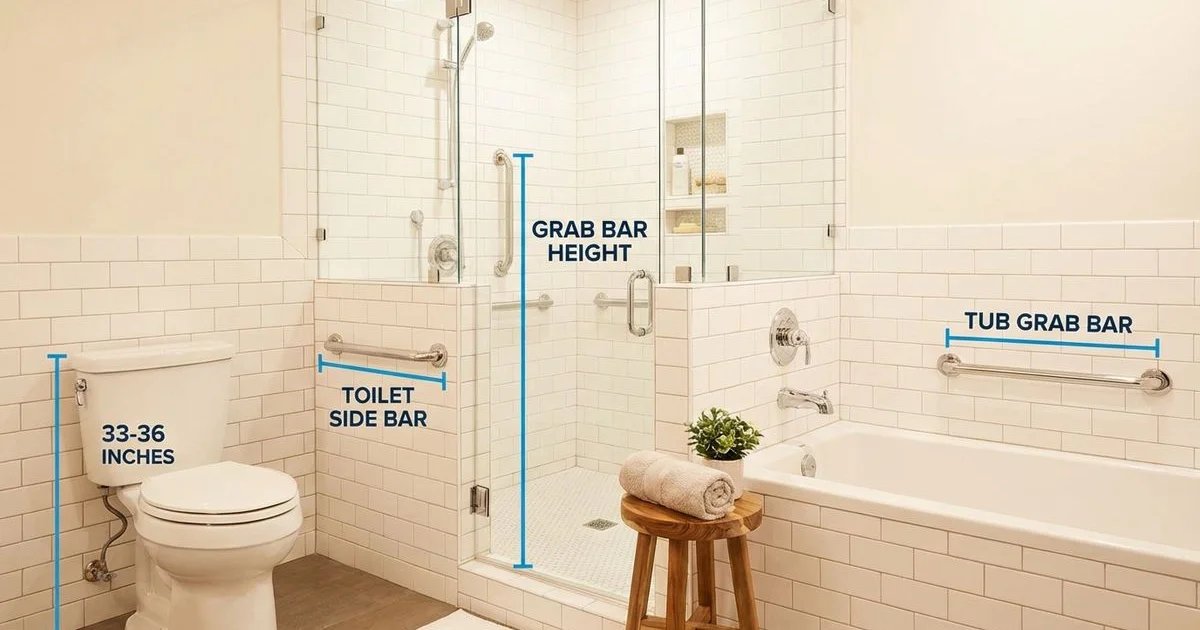
Grab Bar Installation Guide: Where and How to Install Safely
Step-by-step guide to installing grab bars in bathrooms including proper placement, stud finding, and ADA recommendations.
Bathroom Remodel for Elderly: Complete Aging-in-Place Renovation Guide 2026
Complete guide to bathroom remodel for elderly including walk-in showers, grab bars, ADA-compliant fixtures, and financing options.