Bathroom for Senior Citizens 2026: Complete Safety & Design Guide
A comprehensive guide to creating a safe, comfortable, and stylish bathroom for senior citizens — covering walk-in showers, grab bars, non-slip flooring, accessible fixtures, and smart design choices that support aging in place.

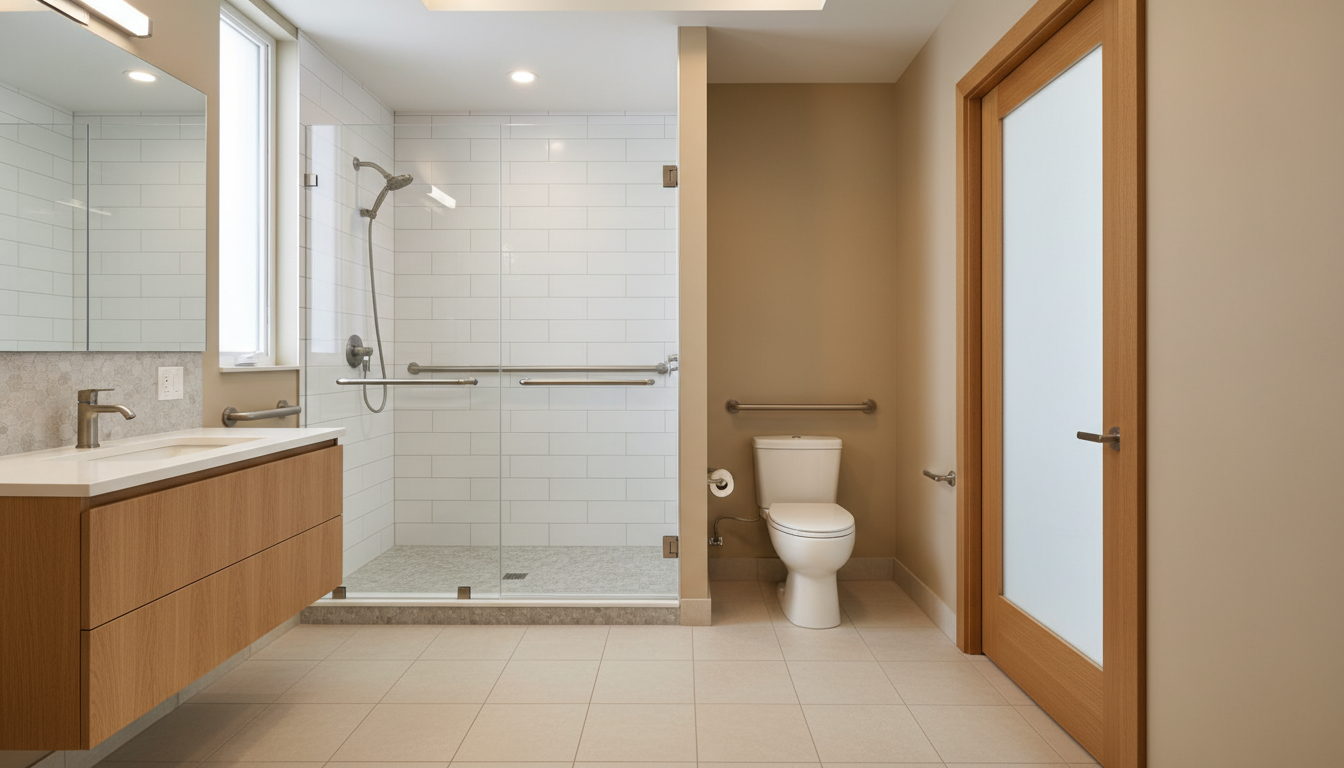
Why Bathroom Safety Matters for Senior Citizens
The bathroom is statistically the most dangerous room in any home for older adults. The Centers for Disease Control and Prevention reports that over 230,000 Americans aged 65 and older visit emergency rooms each year for bathroom-related injuries. Wet surfaces, hard fixtures, and tight spaces create a combination that puts seniors at significant risk for falls, burns, and other preventable accidents.
We believe that a properly designed bathroom for senior citizens is not just about adding a few grab bars — it requires a holistic approach to layout, fixtures, flooring, lighting, and accessibility. The goal is to create a space where an older adult can bathe, groom, and use the toilet independently and safely, even as their physical abilities change over time.
A senior-friendly bathroom also reduces caregiver burden. When the bathroom is designed with accessibility in mind, family caregivers spend less time assisting with basic tasks and worry less about falls when their loved one is behind a closed door. This creates dignity for the senior and peace of mind for the entire family. For more on creating a safe home environment overall, see our home safety assessments guide.
"The bathroom is where independence is most at risk — and where thoughtful design makes the biggest difference in a senior's daily quality of life."
Essential Bathroom Features Every Senior Needs
Creating a truly accessible bathroom means addressing multiple safety concerns simultaneously. While every senior's needs are different based on their mobility level and health conditions, certain features have become the gold standard for elderly bathroom design in 2026. Here are the non-negotiable elements that every senior bathroom should include.
Grab bars are the single most important safety feature in any senior bathroom. The ADA recommends horizontal grab bars at 33 to 36 inches from the floor beside the toilet and inside the shower. Newer designs use stainless steel or brushed nickel finishes that double as towel bars, making them both functional and attractive. Install them into wall studs or use reinforced mounting plates — suction cup bars are never adequate for weight bearing.
A comfort-height toilet (17 to 19 inches versus the standard 15 inches) makes sitting and standing dramatically easier for seniors with hip or knee problems. Pair it with a bidet seat attachment for hygiene assistance, which can be especially helpful for older adults with limited hand dexterity or shoulder mobility. Our bathroom accessibility resource covers additional fixture recommendations.
Lever-style faucet handles replace round knobs that can be difficult to grip with arthritic hands. Single-lever designs allow water temperature and flow control with one hand movement. Anti-scald valves (pressure-balanced or thermostatic mixing valves) should be installed on all bathroom water supplies to prevent burns, which older adults are more susceptible to due to thinner skin and slower reaction times.
Adequate lighting is often overlooked but critically important. Aging eyes need two to three times more light than younger eyes. Install layered lighting with a bright overhead fixture, vanity task lighting, and a night light or motion-activated LED strip along the baseboard for nighttime bathroom visits. Illuminated light switches make the bathroom easier to navigate in the dark.
Walk-in Shower Options for Senior Bathrooms
The traditional bathtub with a high side wall is the most dangerous fixture in a senior's bathroom. Stepping over a tub wall — especially when wet — accounts for thousands of falls each year. A walk-in shower with a zero-threshold or low-threshold entry eliminates this risk entirely and is now considered the preferred bathing option for aging in place.
A curbless (zero-threshold) shower has no lip or step at the entry point. The floor slopes gently toward the drain, and a linear drain along one wall handles water containment. This design allows wheelchair or walker access and is the most future-proof option. The cost typically ranges from $4,000 to $8,000 for a full conversion from a standard tub, depending on the plumbing modifications required.
For those who still enjoy soaking, a walk-in tub with a door provides bathing access without having to step over a high wall. These units have a watertight door that swings open for easy entry. Most models include a built-in seat, grab bars, and hydrotherapy jets. Prices range from $2,000 to $10,000 installed, depending on features.
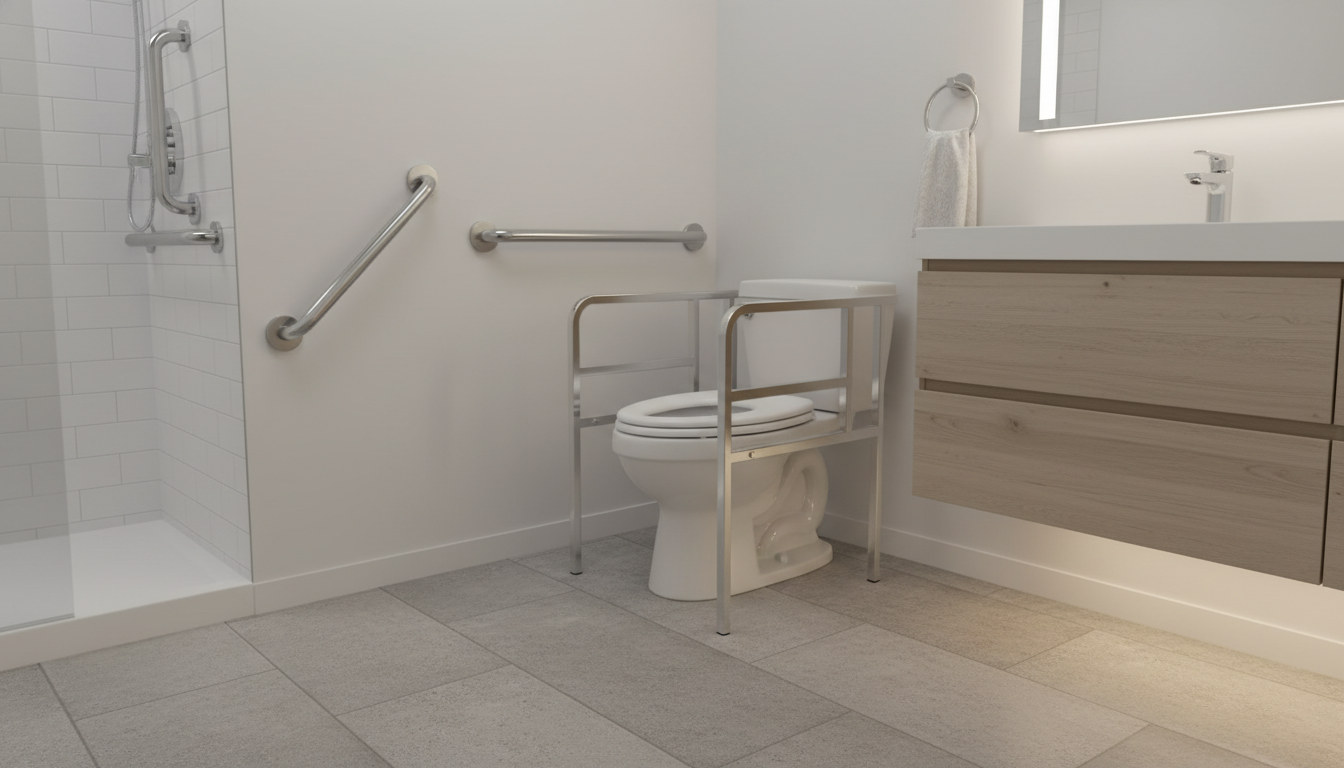
Every walk-in shower for seniors should include a built-in bench seat or a wall-mounted fold-down seat. Teak or composite bench seats are water-resistant and slip-resistant. A handheld shower head on an adjustable slide bar allows bathing while seated and makes it easier for caregivers to assist when needed. Look for models with an extra-long 72-inch hose for maximum flexibility.
Non-Slip Flooring Options That Look Great
Bathroom flooring for seniors must balance two priorities: slip resistance and aesthetics. The coefficient of friction (COF) rating is the industry standard measurement — look for flooring with a COF of 0.60 or higher for wet areas. Fortunately, today's manufacturers offer many attractive options that meet or exceed this threshold.
Textured porcelain tile remains the top choice for senior bathrooms. Modern textured tiles come in wood-look, stone-look, and contemporary patterns that provide excellent grip without looking institutional. Choose tiles with a matte or textured finish rated for wet areas. Small-format tiles (2x2 inch or mosaic) with more grout lines provide additional traction. For a deep dive, see our guide on non-slip bathroom flooring for the elderly.
Luxury vinyl plank (LVP) flooring is gaining popularity in senior bathrooms because it is completely waterproof, warm underfoot, softer than tile (reducing injury severity in a fall), and available in realistic wood and stone patterns. Quality LVP costs $3 to $7 per square foot installed and can be installed over existing flooring in many cases.
| Flooring Type | Slip Resistance (COF) | Cost per Sq Ft | Best For |
|---|---|---|---|
| Textured Porcelain Tile | 0.65–0.80 | $5–$12 | Full bathroom remodels |
| Luxury Vinyl Plank | 0.55–0.70 | $3–$7 | Budget-friendly updates |
| Rubber Flooring | 0.70–0.90 | $4–$8 | Maximum grip priority |
| Cork Flooring | 0.60–0.75 | $5–$10 | Warm, cushioned surface |
| Pebble Tile | 0.75–0.90 | $8–$15 | Shower floors |
Accessible Vanity and Sink Design
The bathroom vanity is where seniors start and end each day — brushing teeth, washing hands, grooming, and managing medications. An accessible vanity design accounts for both standing and seated users and anticipates future mobility changes. The standard 30-inch counter height works for most standing adults, but a wheelchair-accessible vanity should be 34 inches high with open knee space underneath.
Wall-mounted (floating) vanities are an excellent choice because they can be installed at any height and leave floor space clear underneath. This accommodates a wheelchair or shower chair and makes floor cleaning easier. If a traditional vanity cabinet is preferred, choose one with D-shaped or loop-style pulls that are easy to grip with limited hand strength.
The sink itself should be shallow (no deeper than 6.5 inches) to allow comfortable reach to the faucet from a seated position. An undermount or integral sink with rounded edges prevents hip or hand injuries from bumping against sharp corners. A tilted mirror or a mirror that extends down to the backsplash allows someone seated in a wheelchair to see themselves clearly.
Bathroom Layout and Space Planning for Seniors
Adequate space is perhaps the most fundamental requirement for a senior-friendly bathroom. The ADA recommends a minimum 60-inch turning radius for wheelchair accessibility, but even ambulatory seniors who use walkers or canes benefit from wider clearances than a standard bathroom provides.
The ideal layout places the toilet, shower, and sink within easy reach of each other to minimize the distance a senior must walk on wet surfaces. A 36-inch minimum doorway (compared to the standard 28 to 30 inches) allows wheelchair and walker passage. Pocket doors or barn doors that slide along the wall eliminate the swing clearance needed by traditional hinged doors and prevent someone from collapsing against a door that opens inward.
If a full bathroom expansion is not feasible, focus on removing barriers within the existing footprint. Replacing a bathtub with a walk-in shower instantly reclaims 12 to 15 square feet of usable floor space. Removing an unnecessary linen closet or moving the vanity to a different wall can create the clearance needed for safe movement. Read our bathroom remodel for elderly guide for more renovation strategies.
"You don't always need a bigger bathroom — you need a smarter layout that puts safety within arm's reach at every step."
Smart Technology for Senior Bathrooms
Technology is transforming bathroom safety in 2026. Motion-sensor faucets eliminate the need to grip and turn handles, automatically providing water at a pre-set temperature. Smart toilets with automatic lids, integrated bidets, heated seats, and self-cleaning functions reduce the physical demands of bathroom use and improve hygiene.
Water leak sensors placed near the toilet base, under the sink, and near the shower can alert family members or caregivers via smartphone if water is detected where it should not be — potentially preventing dangerous slips and costly water damage. Some systems integrate with broader smart home monitoring platforms for centralized oversight.
Voice-controlled lighting and ventilation (via Amazon Alexa, Google Home, or Apple HomeKit) allow seniors to adjust bathroom conditions without reaching for switches or dials. A simple voice command can turn on the shower light, activate the exhaust fan, or turn on a heated towel rack before entering the bathroom. These systems are especially valuable for seniors with limited mobility or visual impairments.
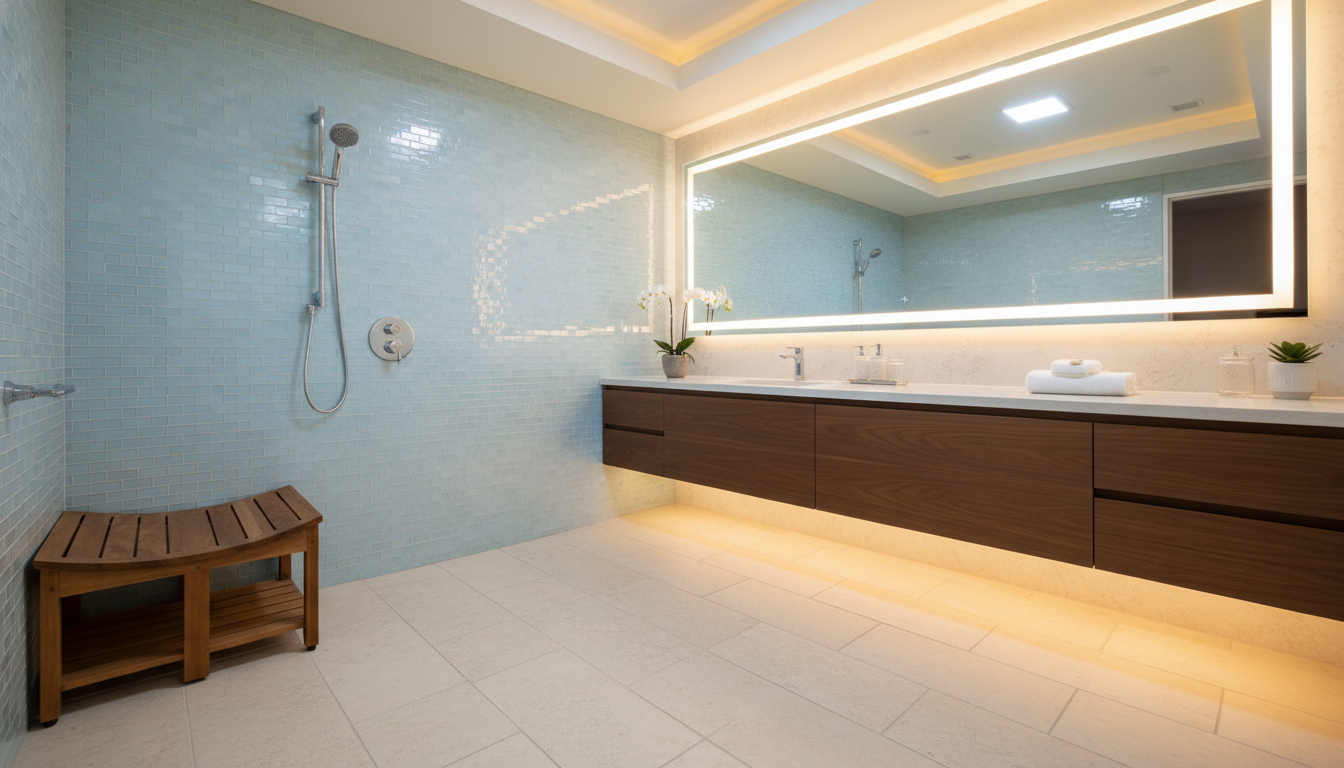
Floor-level motion-activated night lights provide gentle illumination during nighttime bathroom visits — the time when fall risk is highest. LED strip lights under the vanity toe kick or along the baseboard cast enough light to navigate safely without the jarring brightness of overhead fixtures that can disrupt sleep patterns.
Cost of a Senior Bathroom Renovation
The cost of creating an accessible bathroom for a senior citizen varies widely depending on the scope of the project. Understanding the typical price ranges helps families plan realistically and prioritize the upgrades that deliver the most safety value per dollar.
| Project Scope | Typical Cost | What's Included |
|---|---|---|
| Basic Safety Add-Ons | $500–$2,000 | Grab bars, non-slip mats, raised toilet seat, handheld shower head |
| Moderate Upgrade | $3,000–$8,000 | Walk-in shower conversion, comfort-height toilet, new flooring |
| Full Accessible Remodel | $10,000–$25,000 | Curbless shower, widened doorway, new vanity, flooring, lighting, smart features |
| Luxury Spa-Style Renovation | $25,000–$50,000+ | Complete redesign with premium materials, heated floors, smart toilet, custom cabinetry |
Many families start with the basic safety add-ons tier, which delivers significant risk reduction at minimal cost. Grab bars alone can reduce bathroom fall risk by up to 30%. As the budget allows or needs evolve, additional upgrades can be phased in. Some states and municipalities offer grants for home modifications for seniors — check the Eldercare Locator for programs in your area. Veterans may qualify for the VA's Home Improvements and Structural Alterations (HISA) grant program. See our aging in place services guide for more funding resources.
Hiring the Right Contractor for Senior Bathroom Work
Not every bathroom contractor understands the specific requirements of senior-accessible design. A contractor who specializes in aging-in-place renovations will know ADA guidelines, CAPS (Certified Aging-in-Place Specialist) standards, and the products that perform best for older adults. Here are the key questions to ask before hiring.
Are you CAPS-certified? The National Association of Home Builders offers the Certified Aging-in-Place Specialist designation. CAPS-certified contractors have completed training on design, marketing, and building techniques for the aging-in-place market. While not strictly required, this certification signals genuine expertise.
Can you show me completed projects? Ask for photos of accessible bathrooms the contractor has built. Pay attention to the aesthetics — a skilled contractor creates bathrooms that look like luxury spa retreats while incorporating every safety feature. Avoid contractors whose accessible bathrooms look clinical or institutional.
Do you handle permits? Plumbing changes, electrical work, and structural modifications typically require building permits. A reputable contractor pulls all necessary permits and schedules inspections. Unpermitted work can cause problems when selling the home and may not meet safety codes. For more guidance on planning a senior bathroom renovation, read our bathroom design for aging in place guide.
Common Mistakes to Avoid in Senior Bathroom Design
Even well-intentioned bathroom renovations for seniors can miss the mark. We see several recurring mistakes that compromise safety, comfort, or long-term usability. Avoiding these pitfalls from the start saves money and prevents the need for costly do-overs.
Installing grab bars into drywall only. Grab bars must be anchored into wall studs or reinforced with blocking behind the drywall. A grab bar mounted only into drywall will pull out under body weight — exactly when you need it most. If wall studs do not align with ideal bar placement, add plywood backing behind the drywall during renovation.
Choosing polished or glazed tile. High-gloss tile is beautiful but extremely slippery when wet. Always select matte, textured, or honed finishes for bathroom floors and shower surfaces. Even a tile rated as slip-resistant when dry may become hazardous with a polished finish.
Ignoring future needs. A common mistake is designing only for the senior's current mobility level. If your loved one can walk independently today but may need a wheelchair in the future, install blocking in the walls for additional grab bars and ensure doorways and the shower entry accommodate wheelchair access. Building for tomorrow is always cheaper than retrofitting later.
Skipping ventilation improvements. Excess moisture creates mold (a respiratory hazard) and makes surfaces slippery. Install a high-quality exhaust fan rated for the bathroom's square footage and consider a humidity-sensing model that activates automatically. Good ventilation also protects the structural integrity of safety modifications like grab bar mounting points.
Forgetting about storage accessibility. Placing toiletries, towels, and cleaning supplies on high shelves or in deep cabinets forces seniors to reach and bend — activities that cause falls. Install open shelving, pull-out drawers, and wall-mounted dispensers at shoulder height to keep essentials within easy reach. Our guide to shower stalls for the elderly includes additional tips on accessible shower storage.
DIY vs. Professional Installation: What You Can Handle Yourself
Some senior bathroom improvements are well within the abilities of a handy family member, while others absolutely require professional installation for safety and code compliance. Here is a practical breakdown of what falls into each category.
DIY-friendly projects include installing a handheld shower head (simply unscrew the old one and attach the new one), adding adhesive non-slip strips to tub or shower floors, placing a portable shower bench, installing lever faucet handle adapters over existing round knobs, and adding motion-sensor night lights. These projects require no plumbing or electrical modifications.
Professional-only projects include installing grab bars (requires locating studs and proper anchoring), converting a tub to a walk-in shower (plumbing and waterproofing), widening doorways (structural framing), installing anti-scald valves (plumbing), rewiring for better lighting (electrical), and installing heated flooring (electrical). These modifications involve building systems where errors can cause water damage, structural failure, or electrical hazards.
For seniors who want to make immediate, low-cost improvements while planning a larger renovation, the DIY projects above can meaningfully reduce risk right away. Our bath solutions for elderly guide offers more budget-friendly options for every comfort level. Even basic improvements like non-slip bath mats and a handheld shower head deliver real safety value and can be completed in an afternoon.
Frequently Asked Questions About Senior Bathrooms
What is the best flooring for a senior citizen's bathroom?
Textured porcelain tile with a matte finish and a coefficient of friction (COF) of 0.60 or higher is generally the best choice. It is waterproof, durable, attractive, and highly slip-resistant. Luxury vinyl plank is a good alternative for budget-conscious projects or installations over existing flooring.
How much does it cost to make a bathroom accessible for a senior?
Basic safety modifications (grab bars, non-slip surfaces, handheld shower head) can be done for $500 to $2,000. A moderate upgrade including a walk-in shower conversion costs $3,000 to $8,000. A full accessible bathroom remodel typically ranges from $10,000 to $25,000 depending on scope and materials.
Does Medicare cover bathroom modifications?
Standard Medicare does not cover home modifications such as bathroom remodels, grab bars, or walk-in showers. However, Medicare Part B may cover certain durable medical equipment like shower chairs and raised toilet seats when prescribed by a doctor. Some Medicare Advantage plans include home modification benefits — check your specific plan. The VA HISA grant covers bathroom modifications for qualifying veterans.
Can I convert my bathtub to a walk-in shower without a full remodel?
Yes. Tub-to-shower conversion kits and services can replace a standard bathtub with a walk-in shower typically within 1 to 3 days. The cost ranges from $3,000 to $7,000 depending on the shower system chosen. Some companies like Bath Fitter offer tub-to-shower conversions that install over existing tile, minimizing demolition and disruption.
What height should grab bars be installed in a senior bathroom?
Horizontal grab bars beside the toilet should be 33 to 36 inches from the floor. Shower grab bars should include a horizontal bar at 33 to 36 inches and a vertical bar at the shower entrance for balance while stepping in. Angled (diagonal) grab bars between 30 and 45 degrees provide a comfortable grip for pulling up from a seated position.
Are walk-in tubs or walk-in showers better for seniors?
Walk-in showers are generally recommended as the more versatile option because they provide easier entry/exit, accommodate wheelchairs, and allow caregiver assistance. Walk-in tubs are better for seniors who enjoy soaking and have the patience to wait for the tub to fill and drain while seated inside. Both are vastly safer than a traditional bathtub. See our walk-in tubs resource for a detailed comparison.
Margaret Chen
Certified Aging-in-Place Specialist & Senior Care Advisor
Margaret is a CAPS-certified senior care advisor with over 15 years of experience helping families navigate the complexities of aging at home. She specializes in home safety assessments, bathroom accessibility, and connecting families with trusted local contractors and care services. Her work has helped hundreds of seniors maintain independence in the homes they love.


Ready to Create a Safer Bathroom?
Our team can help you plan a bathroom renovation that keeps your loved one safe and independent. Get a free, no-obligation home safety assessment today.
Get a Free Assessment