Bath Solutions for Elderly: Complete Bathing Safety Guide 2026
Everything you need to know about making bathing safe for seniors — from walk-in tubs and curbless showers to grab bars, shower chairs, hydrotherapy options, smart bathroom technology, costs, and financing for aging in place.

Why Bathing Safety Is the Top Priority for Aging in Place
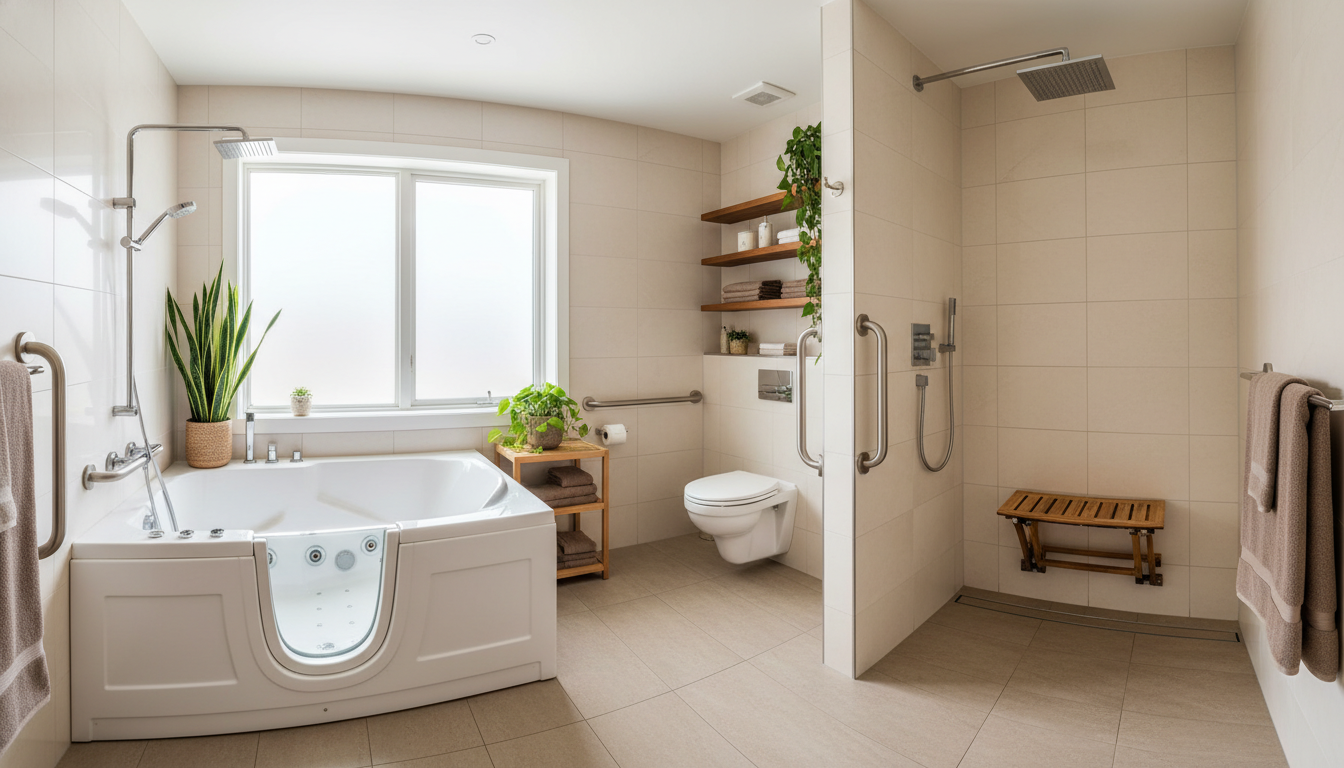
Bathing is simultaneously one of the most essential and most dangerous daily activities for seniors. The bathroom environment combines every major fall risk factor — wet surfaces, standing balance requirements, temperature extremes, and physical transitions between sitting and standing — into a single compact space. According to the CDC, more than 235,000 Americans over age 65 are treated in emergency departments annually for bathroom-related injuries, with the majority occurring during bathing activities.
The right bath solutions for elderly users do more than prevent injuries. They restore dignity and independence to an activity that many seniors begin to dread or avoid as mobility declines. We have worked with hundreds of families where a senior had quietly reduced bathing frequency to once or twice a week — not by choice, but because the fear of falling made every shower feel like a risk not worth taking.
This guide covers every category of bathing solution available in 2026, from comprehensive renovations like walk-in tubs to simple safety additions like grab bars and shower chairs. Whatever your budget or situation, there are meaningful improvements that can make bathing safer immediately.
Key Fact: A study in the Journal of Injury Prevention found that bathing-related falls account for approximately 30% of all bathroom injuries in adults over 65. Among those who fall while bathing, 80% attribute the fall to slipping on a wet surface, stepping over a tub wall, or losing balance while reaching for soap or shampoo.
Walk-in Tubs: The Premium Bathing Solution
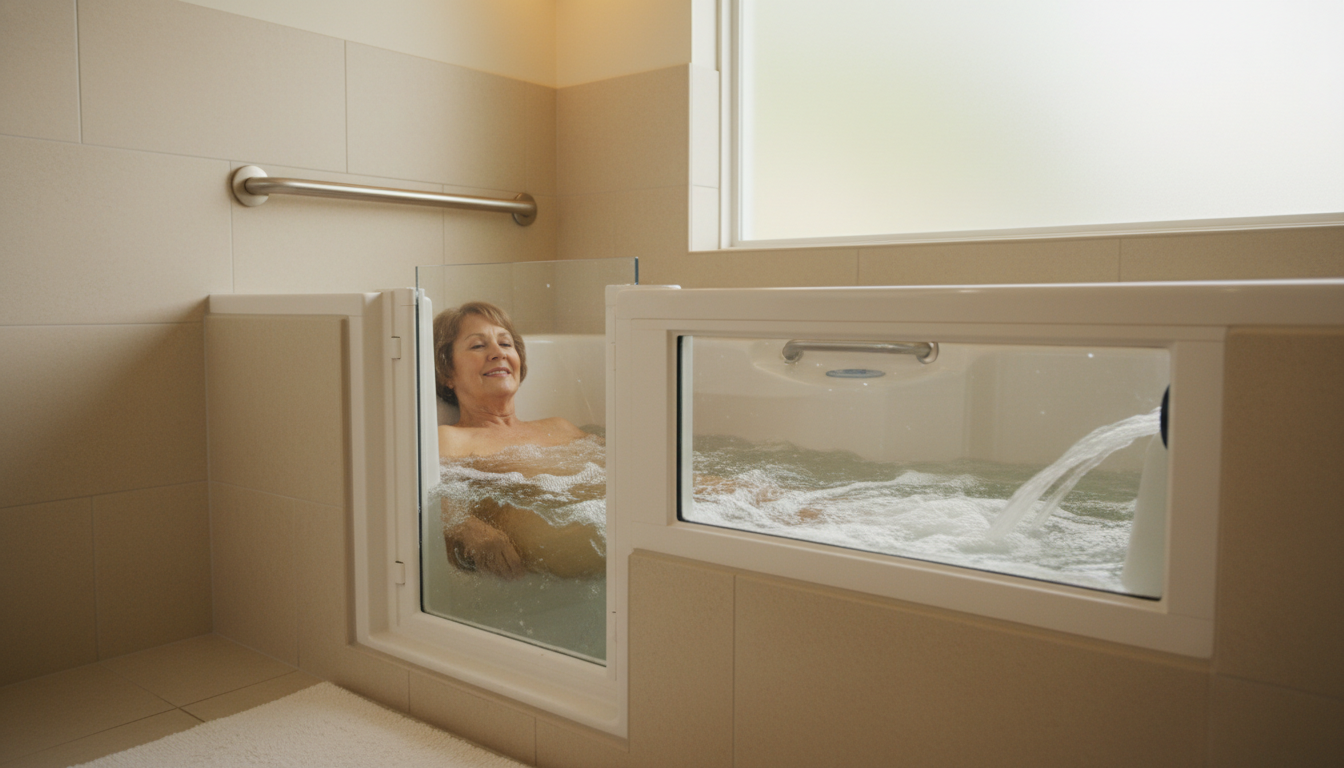
A walk-in tub features a watertight door on the side that allows the user to step in through a low threshold (typically 3–7 inches) instead of climbing over a standard tub wall (14–16 inches). Once inside, the user sits on a built-in seat while the tub fills around them, then drains before the door is opened to exit.
Key Features to Look For
Modern walk-in tubs for seniors include a range of features designed for both safety and therapeutic benefit:
- Low step-in height: The door threshold should be no more than 3–4 inches. Some models achieve as low as 2 inches.
- Built-in grab bars: Integral grab bars at the entry point and near the seat provide support during the most vulnerable transitions.
- Anti-scald valve: Limits water temperature to prevent burns. Essential for seniors with reduced temperature sensitivity.
- Quick-drain system: Premium models feature powered drains that empty the tub in 60–90 seconds rather than the 5–10 minutes of gravity-only drainage. This reduces the time the user must sit in an emptying tub.
- Textured floor: A non-slip surface inside the tub prevents sliding on the seat and provides traction during entry and exit.
- Inline heater: Maintains water temperature throughout the bath, preventing the water from cooling during longer soaks.
Hydrotherapy and Therapeutic Options
Hydrotherapy walk-in tubs offer therapeutic benefits that go beyond basic bathing safety. For seniors with arthritis, chronic pain, fibromyalgia, or circulation issues, the combination of warm water and targeted jet pressure provides meaningful relief.
There are three types of therapeutic systems available:
- Whirlpool jets (water jets): High-pressure water streams that massage muscles and joints. Best for arthritis pain and muscle tension. Available in most mid-range and premium walk-in tubs.
- Air jets (microbubble therapy): Thousands of tiny air bubbles create a gentle, effervescent massage that stimulates blood circulation and relaxes muscles without the intensity of whirlpool jets. Recommended for seniors with sensitive skin or fragile veins.
- Combination (dual) systems: Both whirlpool and air jets in one tub, allowing the user to choose the intensity level. Available in premium models from Kohler, Safe Step, and Ella's Bubbles.
For a detailed look at therapeutic bathing benefits, see our hydrotherapy benefits guide for seniors.
Top Walk-in Tub Brands Compared
| Brand | Price Range (Installed) | Hydrotherapy | Quick Drain | Shower Combo | Best For |
|---|---|---|---|---|---|
| Kohler Walk-in Bath | $6,000–$12,000 | Whirlpool + Air | Yes (powered) | Optional | Premium quality, design-conscious |
| Safe Step | $5,000–$10,000 | Whirlpool + Micro-Soothe Air | Yes | Yes (most models) | Therapeutic focus, wide entry door |
| American Standard | $4,000–$9,000 | Whirlpool + Air | Yes | Select models | Reliability, nationwide installation |
| Ella's Bubbles | $3,500–$8,000 | Air + Whirlpool + MicroBubble | Optional | Yes | Best value, widest model range |
| Freedom Walk-in Tubs | $3,000–$7,000 | Whirlpool | Optional | Yes | Budget-friendly, basic needs |
For an in-depth cost analysis, see our walk-in tub cost guide. For financing options, see our walk-in tub financing guide.
Walk-in Shower Solutions
For most seniors, a walk-in shower is the most practical and versatile bathing solution. Modern accessible showers provide safe, comfortable bathing without the fill-and-drain wait times of walk-in tubs, at a lower price point, and with better wheelchair accessibility.
Curbless (Zero-Entry) Showers
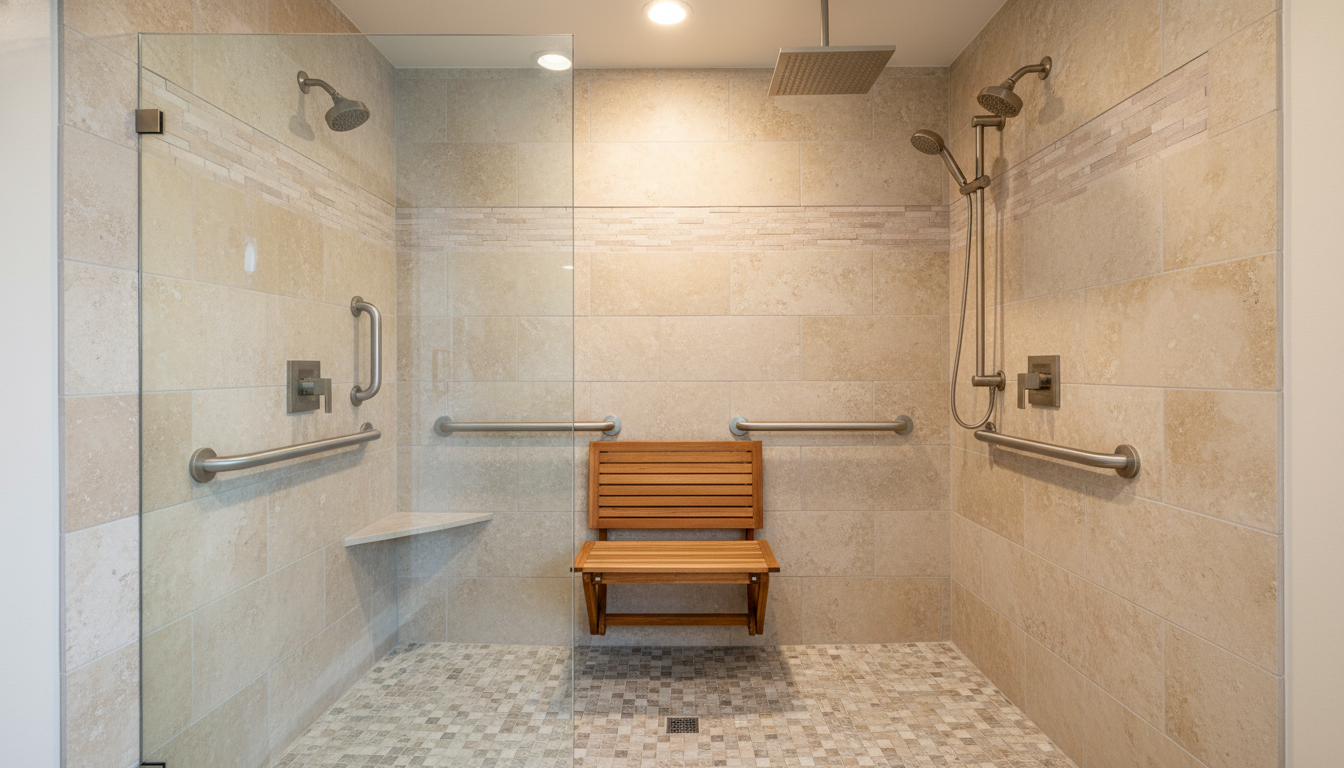
A curbless shower — also called a zero entry shower or barrier-free shower — has no step or lip at all. The bathroom floor transitions seamlessly into the shower area with a gentle slope toward the drain. This is our recommended solution for most seniors because it eliminates 100% of the entry/exit tripping hazard and accommodates walkers, wheelchairs, and future mobility changes.
Construction requires recessing the shower floor slightly and using a linear drain along one edge. Installed cost ranges from $4,000 to $10,000 depending on size, materials, and complexity. For comprehensive design guidance, see our shower stall for elderly guide.
Roll-in Showers for Wheelchair Users
A roll-in shower is a curbless shower specifically designed for wheelchair accessible bathing. It features a larger footprint (minimum 60×60 inches), strategically placed grab bars for wheelchair-to-seat transfer, and a handheld showerhead reachable from a seated position. These are the standard in ADA compliant bathroom designs and are the safest option for current or anticipated wheelchair use.
Walk-in Tub Shower Combo
A walk-in tub shower combo combines a walk-in tub with an overhead showerhead and curtain, allowing the user to either fill the tub for a soak or use it as a stand-up (or sit-down) shower. This is an excellent compromise for families where one person wants baths and another prefers showers, or for seniors who want the option of both.
Most major brands including Safe Step, Ella's Bubbles, and Freedom Walk-in Tubs offer combo models. The shower function typically includes a handheld showerhead on a slide bar and a splash guard or curtain. Price premium over a tub-only model is usually $500–$1,500.
Essential Bath Safety Equipment
Not every family needs or can afford a full tub or shower replacement. The following bath safety equipment items provide significant safety improvements at a fraction of the cost, and most can be installed without professional help.
Grab Bars
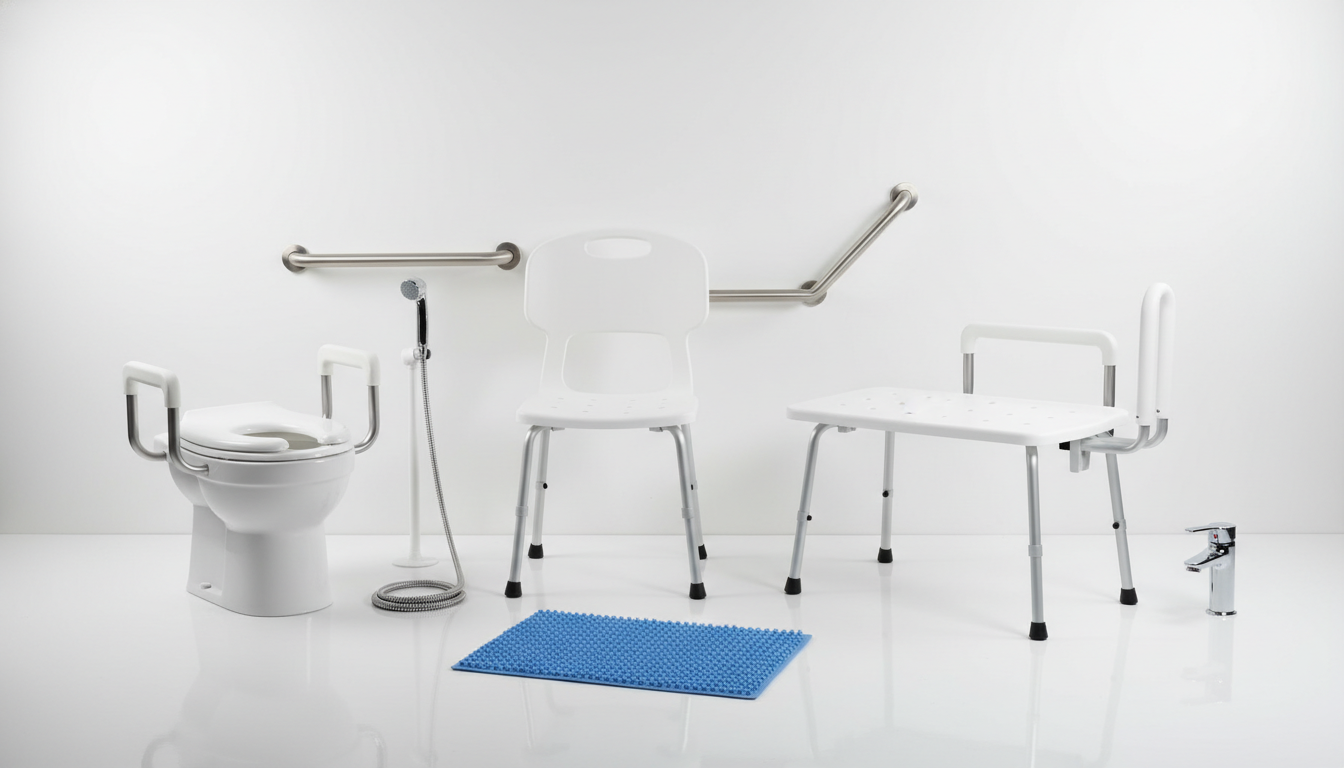
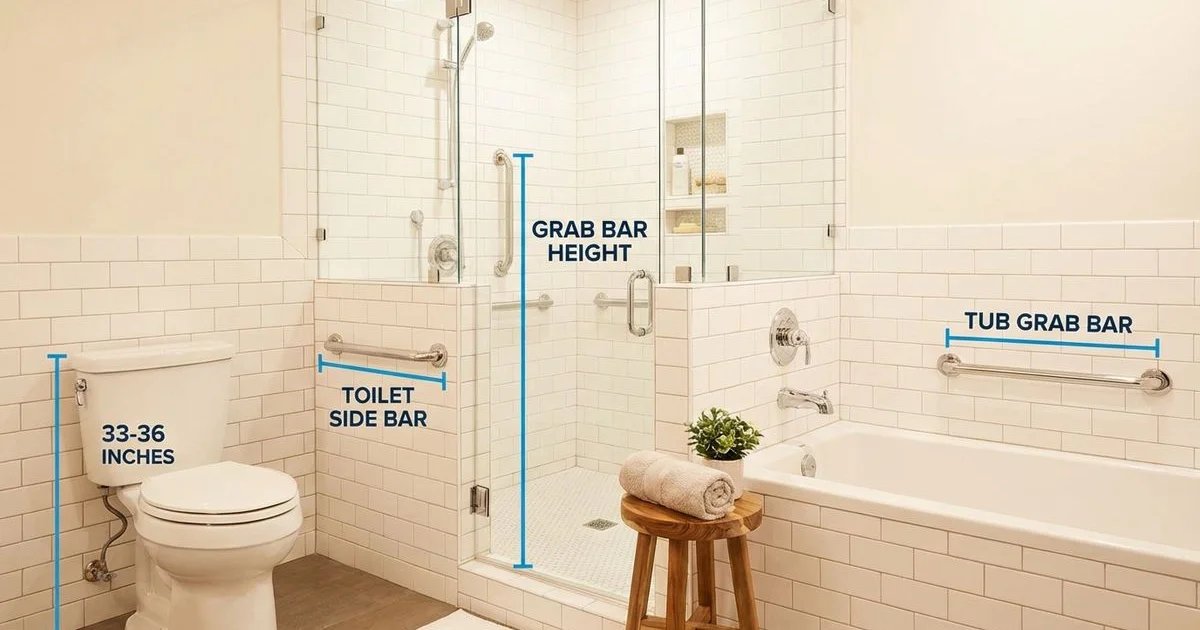
Grab bars for seniors are the single most important safety addition to any bathroom. They provide stable support during the most vulnerable moments — entering and exiting the tub or shower, standing up from the toilet, and transitioning between standing and sitting.
We recommend a minimum of five grab bar locations: shower entry (vertical), shower interior (horizontal and angled), toilet area (one on each side), and near the vanity. Modern grab bars from Moen and Delta come in decorator finishes including brushed nickel, matte black, and oil-rubbed bronze. Some designs double as towel bars, making them virtually indistinguishable from standard bathroom hardware. For complete installation guidance, see our grab bar installation guide.
Shower Chairs and Benches
The debate between a shower chair and a shower bench depends on the specific use case:
- Shower chair: A freestanding chair with a backrest, armrests, and rubber-tipped legs. Best for seniors who can step into the shower independently but need to sit during bathing. Look for models with adjustable height (16–21 inches), drainage holes in the seat, and a weight capacity matching the user's needs (most support 250–350 pounds). Cost: $30–$200.
- Shower bench (transfer bench): A bench that straddles the tub wall, with two legs inside the tub and two outside. The user sits on the outside portion and slides across the bench to get inside the tub without stepping over the wall. Essential for seniors who cannot safely step over a tub wall. Cost: $40–$250.
- Fold-down wall-mounted seat: A permanent fixture that folds flat against the wall when not in use. Best for walk-in showers where floor space is limited. Must be anchored into wall studs. Cost: $150–$500 installed.
For seniors with arthritis in the hands, look for models with padded armrests and a seat height that allows the feet to rest flat on the floor. The seat should not be so high that the user's feet dangle, as this reduces stability.
Handheld Showerhead
A handheld showerhead on an adjustable slide bar is one of the most impactful low-cost bath solutions available. It allows the user to direct water exactly where needed from both standing and seated positions, eliminating the reaching, twisting, and contorting that fixed showerheads require.
For seniors with arthritis, choose models with a thumb-press pause button and ergonomic grip that does not require twisting or squeezing. A slide bar extending from 36 to 72 inches accommodates both seated and standing use. Most connect to the existing shower arm with no tools beyond a wrench. Cost: $30–$300.
Raised Toilet Seat and Safety Rails
While not directly a bathing solution, the toilet is part of the bathroom safety ecosystem. A raised toilet seat adds 2–6 inches to toilet height, reducing the physical strain of sitting and standing. Models with integrated handles provide armrest support on both sides.
Toilet safety rails attach to the toilet or floor and provide freestanding armrests without modifying the toilet itself. These are ideal for rental situations or when the family is not ready to replace the toilet. For detailed comparisons, see our raised toilet seat vs. comfort height toilet guide and comfort height toilet guide.
Non-Slip Bath Mats and Floor Solutions
Non-slip bath mats provide immediate traction improvement for existing tub and shower floors. Quality mats use suction cups on the bottom surface to adhere to the tub or shower floor and textured rubber on top for grip. Replace mats every 6 months as suction cups degrade and mold can develop beneath them.
For permanent solutions, anti-slip coatings can be applied to existing tile or fiberglass surfaces to create micro-texture that improves wet traction. For a comprehensive guide to all flooring options, see our non-slip bathroom flooring guide.
Complete Bath Solutions Comparison
| Solution | Cost Range | Installation | Wheelchair OK | Hydrotherapy | Best For |
|---|---|---|---|---|---|
| Walk-in Tub | $3,000–$15,000 | Professional (1–3 days) | No | Yes | Soakers, arthritis relief |
| Curbless Shower | $4,000–$10,000 | Professional (3–5 days) | Yes | With body sprays | Most seniors, future-proofing |
| Walk-in Shower Kit | $2,000–$5,000 | Professional (1–3 days) | With low threshold | No | Budget-conscious, quick install |
| Tub-Shower Combo | $3,500–$12,000 | Professional (1–3 days) | No | Yes (in tub mode) | Versatility, dual use |
| Transfer Bench + Grab Bars | $100–$500 | DIY or handyman | No | No | Budget fix, existing tub |
| Shower Chair + Handheld Head | $60–$400 | DIY | No | No | Immediate safety improvement |
Bariatric and Heavy-Duty Bath Solutions
Bariatric bathroom equipment is designed for seniors who exceed the weight capacity of standard bath products (typically 250–350 pounds). Standard shower chairs, transfer benches, and grab bars are rated for specific weights, and exceeding these limits creates a serious safety risk.
Bariatric bath solutions include:
- Heavy-duty shower chairs: Supporting 400–600 pounds with wider seats (20–24 inches) and reinforced frames. Cost: $150–$500.
- Bariatric transfer benches: Wider, reinforced benches supporting 400–500 pounds with extra-wide seating surfaces. Cost: $150–$400.
- Bariatric walk-in tubs: Models from Ella's Bubbles and other manufacturers offer 30-inch wide doors and 600-pound weight capacities. Cost: $5,000–$12,000.
- Reinforced grab bars: While standard grab bars support 250 pounds, heavy-duty models rated for 500+ pounds are available. These require additional structural reinforcement behind the wall. Cost: $50–$150 per bar plus installation.
When selecting bariatric equipment, always verify the specific weight rating — not all "heavy-duty" products have the same capacity. Look for products tested to ANSI/RESNA standards for durability and safety.
Smart Bathroom Technology for Seniors
Technology is transforming bath solutions for elderly users in 2026. Smart bathroom features that were once luxuries are becoming practical safety tools:
- Voice-activated fixtures: "Alexa, turn on the shower" or "Hey Google, set bathroom lights to 50%." Voice control eliminates the need to reach for switches and controls, reducing fall risk.
- Smart toilets: Automatic lid opening/closing, heated seats, integrated bidet functions with warm water, and self-cleaning. These reduce the physical demands of toileting and improve hygiene for seniors with limited flexibility. Brands like TOTO and Kohler lead this market.
- Digital shower controls: Preset temperature and flow settings activated by a single button press. The user sets their preferred temperature once, and the system delivers it consistently every time — eliminating the trial-and-error adjustment that requires standing in a potentially slippery shower.
- Motion-sensor lighting: Bathroom lights that activate automatically when someone enters, eliminating the dangerous moment of fumbling for a switch in the dark.
- Water leak sensors: Smart sensors that detect water on the floor outside the shower area and send alerts to a smartphone. This can indicate a plumbing leak or that the senior may have fallen.
For a broader look at technology for aging in place, see our smart home devices guide.
Cost Overview and Financing Options
The cost of bath solutions for elderly varies dramatically depending on the scope of the project. Here is a realistic breakdown for 2026:
Quick fixes (under $500):
- Grab bars installed at 3–5 locations: $150–$500
- Shower chair or transfer bench: $30–$250
- Handheld showerhead with slide bar: $30–$300
- Non-slip bath mats: $15–$50
- Raised toilet seat with handles: $30–$80
Mid-range renovations ($2,000–$10,000):
- Tub-to-shower conversion with walk-in kit: $2,000–$5,000
- Curbless shower installation: $4,000–$10,000
- Walk-in tub (basic model): $3,000–$6,000
Premium renovations ($10,000–$30,000):
- Walk-in tub with hydrotherapy (premium brand): $8,000–$15,000
- Full bathroom remodel for elderly: $10,000–$30,000
- Complete aging-in-place bathroom design: $15,000–$30,000+
Does Medicare Cover Walk-in Tubs?
Standard Medicare (Parts A and B) does not cover walk-in tubs, shower conversions, or bathroom renovations. These are classified as home improvements rather than durable medical equipment. However, Medicare does cover certain bath safety equipment when prescribed by a physician, including shower chairs and transfer benches classified as DME.
Some Medicare Advantage (Part C) plans now include supplemental benefits for home modifications — a relatively new benefit category worth checking. For details on what Medicare covers and does not cover, see our Medicare home modifications guide.
Alternative Funding Sources
- Medicaid HCBS Waivers: Home and Community-Based Services waivers in many states cover bathroom modifications up to $5,000–$15,000
- VA SAH/HISA Grants: For veterans — SAH grants up to $109,986, HISA grants up to $6,800
- USDA Section 504: Grants up to $10,000 for elderly rural homeowners
- Area Agency on Aging: Local grant programs via the Eldercare Locator (1-800-677-1116)
- Manufacturer financing: Many walk-in tub companies offer 0% promotional financing for 12–24 months
For the complete rundown, see our financial assistance guide for senior home modifications.
Cost Perspective: Even a premium $15,000 walk-in tub installation costs less than three months of assisted living ($5,350/month national median). Bath solutions that enable continued independent living at home deliver enormous long-term value compared to facility-based alternatives. See our assisted living vs. home care cost comparison for the full financial picture.
How to Choose the Right Bath Solution
With so many options available, choosing the right bath solution for elderly users can feel overwhelming. Here is our decision framework based on the scenarios we encounter most frequently:
- Senior walks independently, mild balance concerns: Start with grab bars, a handheld showerhead, and non-slip mats. Add a shower chair if standing for the full shower duration is tiring. Budget: $200–$500.
- Senior uses a walker: A curbless walk-in shower with fold-down bench and grab bars is the best option. The walker can be brought to the shower entrance for safe entry/exit. Budget: $4,000–$10,000.
- Senior uses a wheelchair: A roll-in shower with a transfer bench or fold-down seat, handheld showerhead, and properly positioned grab bars. Minimum 60×60 inch shower footprint. Budget: $6,000–$15,000.
- Senior wants therapeutic soaking baths: A walk-in tub with hydrotherapy jets, preferably a tub-shower combo for daily quick showers. Budget: $5,000–$15,000.
- Budget under $500, existing tub: Transfer bench to eliminate step-over, grab bars, handheld showerhead, non-slip mat, and anti-scald valve. This combination addresses the primary fall risks without renovation. Budget: $200–$500.
- Planning ahead (currently independent): Install grab bar blocking behind drywall now. Add a curbless shower during your next bathroom renovation. Choose a comfort height toilet. These universal design choices look great and are invisible accommodations that prepare for the future.
Whatever your situation, we recommend starting with a professional home safety assessment that evaluates your specific bathroom layout, the senior's current and anticipated mobility needs, and your budget to provide a personalized recommendation. For a DIY approach, use our senior bathroom safety checklist.
Ready to Find the Right Bath Solution?
A professional home safety assessment evaluates your bathroom, your loved one's needs, and your budget to recommend the specific bath solutions that will have the greatest impact on safety and independence.
Explore Home Safety Assessments About Margaret Chen
Certified Aging-in-Place Specialist & Senior Care Advisor
CAPS-certified senior care advisor with 15+ years helping families plan for safe aging at home. Margaret specializes in bathing safety solutions, walk-in tub evaluations, and accessible bathroom design for seniors at every mobility level.
Related Articles

Walk-in Tub Cost Guide 2026: Pricing, Installation, and Value
Detailed cost breakdown of walk-in tubs including installation, brands, features, and financing options for seniors.
Shower Stall for Elderly: Walk-in Shower Safety Guide 2026
Complete guide to shower stalls for elderly including walk-in, curbless, and roll-in designs, ADA requirements, and tub-to-shower conversions.
Grab Bar Installation Guide: Where and How to Install Safely
Step-by-step guide to installing grab bars in bathrooms including proper placement, stud finding, and ADA recommendations.