Aging in Place Services: Complete Guide to Senior Independence at Home 2026
Everything families need to know about aging in place services — from home modifications and medical alert systems to in-home care, assistive technology, fall prevention, Medicare coverage, and building a comprehensive plan for senior independence.

What Is Aging in Place and Why It Matters
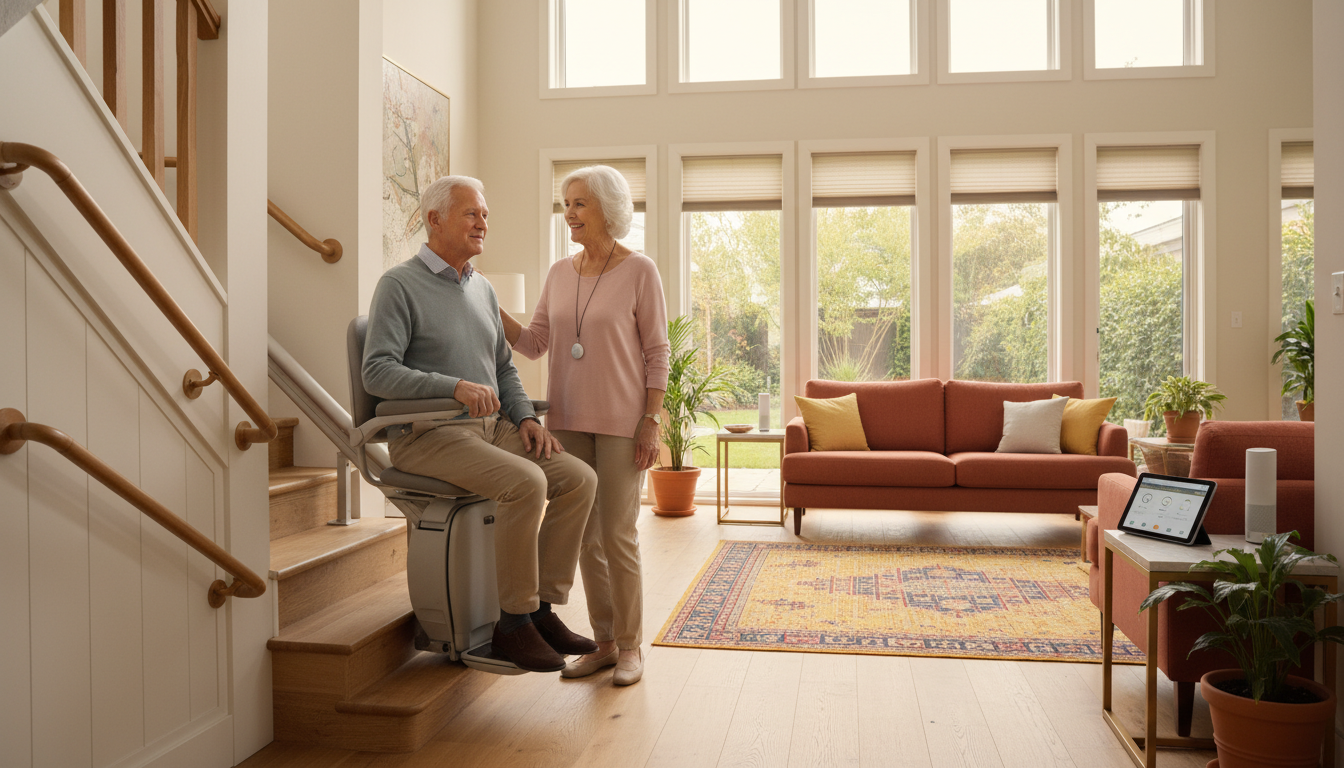
Aging in place means remaining in your own home and community safely, independently, and comfortably as you age, rather than relocating to an assisted living facility or nursing home. It is not simply staying put — it is a proactive strategy that combines home modifications, supportive services, technology, and planning to ensure that the home environment adapts to changing needs over time.
The desire to age at home is nearly universal. AARP research consistently shows that 77% of adults over 50 want to remain in their current homes as they age. Yet the gap between wanting to age in place and being able to do so safely is enormous. Fewer than 10% of U.S. homes have the basic accessibility features — zero-step entries, single-floor living, wide doorways, and accessible bathrooms — needed for safe aging.
Aging in place services bridge this gap. They encompass everything from professional home safety assessments and physical home modifications to medical monitoring systems, in-home care providers, assistive technology, and financial planning. Understanding the full landscape of available services is the first step toward building an aging-in-place plan that actually works.
Key Statistic: The Genworth Cost of Care Survey reports that the national median cost of assisted living is $5,350 per month ($64,200 annually) in 2026, while a private nursing home room averages $9,733 per month ($116,800 annually). Most aging-in-place service combinations cost a fraction of these amounts, making home-based independence both a quality-of-life choice and a financial one.
Home Modification Services
Home modifications are the physical changes that make a home safer and more accessible for aging residents. These range from simple, low-cost additions to comprehensive renovation projects. A CAPS-certified (Certified Aging-in-Place Specialist) contractor from the National Association of Home Builders is the gold standard professional for this work.
Bathroom Modifications
The bathroom is the most dangerous room for seniors, accounting for the majority of in-home fall injuries. Priority modifications include grab bar installation, non-slip flooring, curbless shower conversion, comfort height toilet installation, and anti-scald valve upgrades. A comprehensive bathroom remodel for elderly safety typically costs $5,000 to $25,000 depending on scope. For design guidance, see our aging-in-place bathroom design guide.
Whole-Home Accessibility Modifications
Beyond the bathroom, common home modifications for seniors include:
- Stairlifts: Motorized chairs that transport seniors between floors. Straight stairlifts cost $2,000–$5,000 installed; curved models run $8,000–$15,000. For alternatives, see our stairlift alternatives guide and stairlift buying guide.
- Ramps and zero-step entries: Eliminating entry steps is critical for wheelchair and walker users. Modular aluminum ramps cost $100–$300 per linear foot.
- Wider doorways: Standard 24–28 inch doorways expanded to 32–36 inches for wheelchair clearance. Cost: $300–$1,200 per doorway.
- Lever handles: Replacing round doorknobs and faucet handles with lever-style alternatives that require minimal grip strength. Cost: $15–$50 per handle.
- Improved lighting: Motion-activated lights, increased illumination levels, and nighttime pathway lighting throughout the home. Cost: $200–$1,000.
- Kitchen modifications: Lowered countertops, pull-out shelving, lever faucets, and accessible appliance placement.
For an overview of what modifications your home needs, start with our DIY home safety assessment guide or schedule a professional home safety assessment.
Medical Alert and Emergency Response Systems
Personal emergency response systems (PERS) are one of the most important aging in place services available. These devices allow seniors to call for help with the push of a button — or automatically in the case of fall detection — 24 hours a day, 7 days a week.
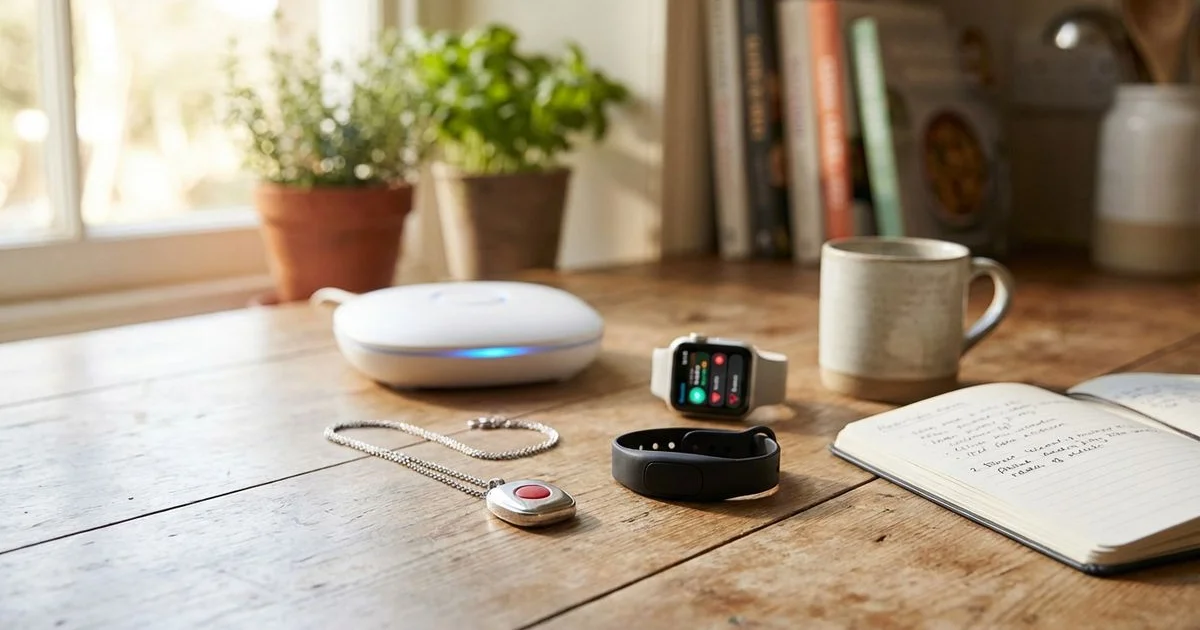
The medical alert industry has evolved far beyond the basic pendant systems of the past. Modern options include:
- In-home systems: A base station connected to the phone line plus a wearable pendant or wristband. Range: 400–1,300 feet from the base. Cost: $20–$35/month.
- Mobile GPS systems: Cellular-connected devices that work anywhere. Include GPS location tracking for seniors who leave the home. Cost: $30–$50/month.
- Smartwatch-based systems: Medical alert functionality built into a smartwatch form factor. Include heart rate monitoring, fall detection, and step tracking. Cost: $30–$60/month.
- Fall detection add-ons: Automatic alert triggered when the device detects a fall impact pattern, even if the user cannot press the button. Typically adds $5–$10/month to any plan.
For an in-depth comparison of the best options, see our best medical alert systems guide. For wall-free monitoring approaches, see our fall detection without wearables guide.
In-Home Care Services
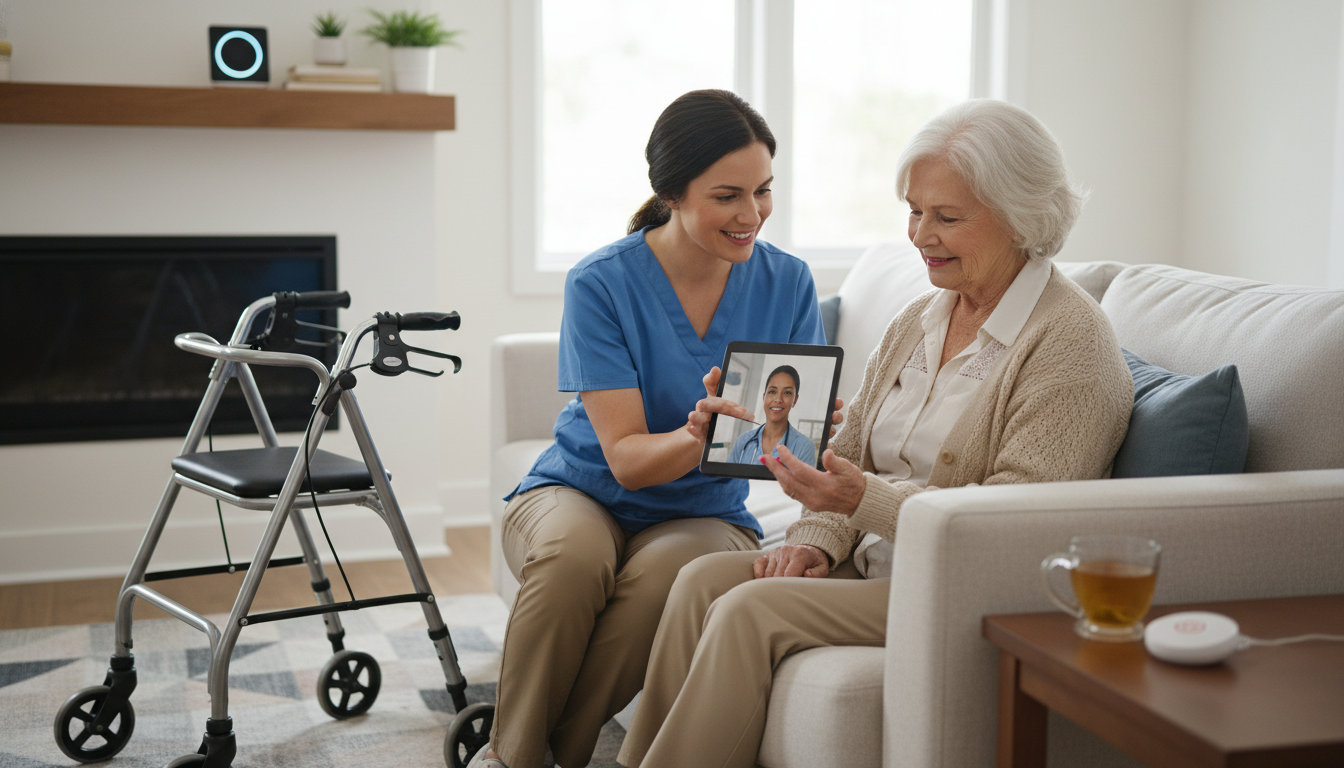
As care needs increase, many seniors benefit from professional in-home care services. It is important to understand the distinction between the two main categories, as they serve different needs and are covered by different funding sources.
Home Care vs. Home Health Care
Home care (also called non-medical home care or personal care) provides assistance with activities of daily living (ADLs) such as bathing, dressing, meal preparation, light housekeeping, medication reminders, and companionship. Home care aides do not need medical licensing. Cost: $20–$35 per hour in most markets.
Home health care is medically supervised care delivered by licensed professionals — registered nurses, physical therapists, occupational therapists, and speech therapists. Services include wound care, medication management, therapy, and medical monitoring. Home health care is typically prescribed by a physician following a hospitalization or diagnosis. Cost: $50–$150 per visit, but often covered by Medicare.
| Feature | Home Care (Non-Medical) | Home Health Care (Medical) |
|---|---|---|
| Services | ADL assistance, companionship, housekeeping, meals | Nursing, therapy, wound care, medication management |
| Providers | Home care aides, companions | RNs, LPNs, PTs, OTs, SLPs |
| Licensing | Agency licensed, aides may not need certification | Medical professionals with state licensing |
| Physician Order | Not required | Required |
| Medicare Coverage | Not covered | Covered (with qualifying conditions) |
| Typical Cost | $20–$35/hour | $50–$150/visit (often covered) |
| Duration | Ongoing, as long as needed | Episodic, typically 60-day periods |
For a detailed cost comparison of aging in place versus facility care, see our assisted living vs. home care cost comparison.
Aging in Place Technology
Aging in place technology has transformed what is possible for seniors living independently. The 2026 landscape includes devices and systems that were science fiction just a decade ago, from AI-powered fall detection to remote health monitoring that keeps physicians informed without requiring office visits.
Smart Home Devices
Smart home devices for elderly users provide automation, voice control, and remote monitoring that enhance both safety and convenience:
- Voice assistants: Amazon Alexa, Google Home, and Apple HomePod allow hands-free control of lights, thermostats, locks, and emergency calls. Especially valuable for seniors with mobility or vision limitations.
- Smart lighting: Motion-activated lights, scheduled dimming, and voice-controlled brightness eliminate the need to find switches and reduce fall risk in dark hallways.
- Smart locks: Keypad or smartphone-controlled locks eliminate fumbling with keys and allow caregivers to enter without a physical key. Some include activity logs so family can see when doors are opened.
- Video doorbells: Allow seniors to see and speak with visitors without walking to the door. Reduce the risk of falls from rushing to answer and provide security against unwanted visitors.
- Smart thermostats: Maintain safe temperatures automatically. Some models can send alerts to family if the home temperature drops below a safe range, which is critical for seniors vulnerable to hypothermia.
For a comprehensive review of smart home options, see our smart home devices for aging in place guide.
Remote Patient Monitoring
Remote patient monitoring (RPM) uses connected devices to track health metrics from home and transmit them to healthcare providers. In 2026, Medicare covers RPM services for qualifying chronic conditions, making this an increasingly accessible aging in place service.
Common RPM devices include:
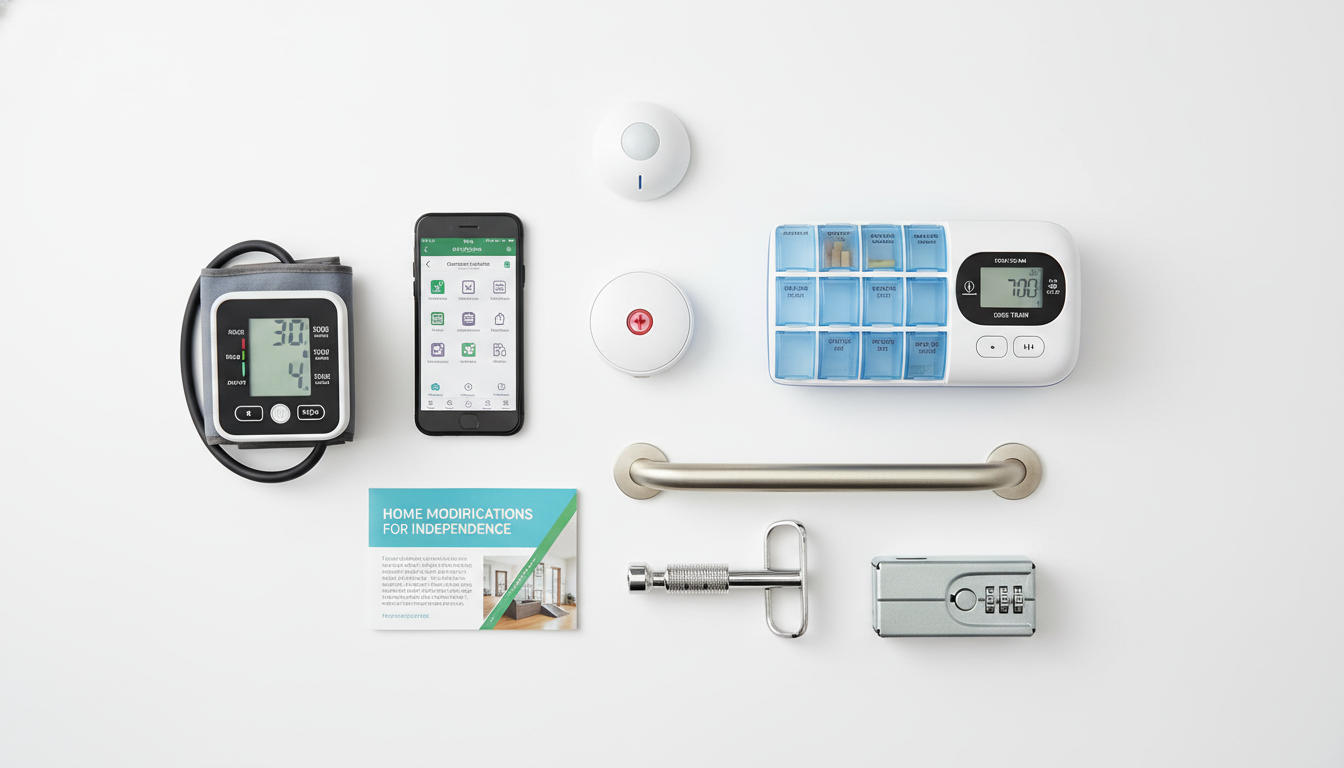
- Blood pressure monitors: Automatic cuffs that transmit readings via Bluetooth to a smartphone app and care team dashboard
- Glucose monitors: Continuous glucose monitors (CGMs) that provide real-time blood sugar data without finger pricks
- Pulse oximeters: Track blood oxygen levels, critical for seniors with COPD or heart conditions
- Weight scales: Smart scales that flag sudden weight changes (a key indicator of heart failure fluid retention)
- Medication dispensers: Automated dispensers that release the correct medications at scheduled times and alert caregivers if doses are missed
For seniors who want passive monitoring without wearing a device, see our guide on monitoring elderly parents without cameras.
Fall Prevention Services and Products
Fall prevention is arguably the most critical category of aging in place services. Falls are the leading cause of injury and injury-related death among adults aged 65 and older. The CDC estimates that one in four older adults falls each year, with 3 million treated in emergency departments annually.
A comprehensive fall prevention approach combines environmental modifications, personal safety products, and physical conditioning:
- Environmental: Non-slip flooring, grab bars, improved lighting, stair modifications, and clutter removal
- Products: Medical alert systems with fall detection, bed rails, motion-activated night lights, and mobility aids (canes, walkers, rollators)
- Physical: Balance training programs, strength exercises, physical therapy, and medication reviews (many medications cause dizziness or balance issues)
- Assessment: Professional home safety assessments that identify hazards room by room before falls occur
For a comprehensive fall prevention strategy, see our fall prevention guide for seniors and our most dangerous rooms guide.
Aging in Place vs. Assisted Living: A Cost Comparison
The financial case for aging in place is compelling when you compare the costs of aging in place services to facility-based care. Here is a realistic comparison for a senior with moderate care needs:
| Service/Cost Category | Aging in Place (Annual) | Assisted Living (Annual) |
|---|---|---|
| Housing | Existing home costs (mortgage/taxes) | Included in facility fee |
| Home modifications (amortized) | $1,500–$3,000/year | N/A |
| In-home care (20 hrs/week) | $20,800–$36,400 | Included (basic care) |
| Medical alert system | $360–$600 | Included |
| Smart home technology | $300–$800 | N/A |
| Transportation | $1,200–$3,600 | Often included |
| Total estimated annual cost | $24,000–$44,000 | $54,000–$78,000 |
| 5-year projected cost | $120,000–$220,000 | $270,000–$390,000 |
For seniors with lower care needs (under 10 hours/week of in-home help), the aging-in-place cost drops to $10,000–$20,000 annually. For a detailed analysis, see our assisted living vs. home care cost comparison and aging in place budget planning guide.
Medicare and Medicaid Coverage for Aging in Place
Understanding Medicare home health coverage and Medicaid waiver programs is essential for financing aging in place. The rules are complex, and many families miss benefits they qualify for simply because they do not know to ask.
What Medicare Covers
- Home health care: Medicare Part A covers skilled nursing, physical therapy, occupational therapy, and speech therapy when prescribed by a physician and provided by a Medicare-certified home health agency. The patient must be homebound and need intermittent skilled care.
- Durable medical equipment (DME): Medicare Part B covers 80% of the cost of medically necessary equipment including hospital beds, wheelchairs, walkers, oxygen equipment, and some bathroom safety devices when prescribed by a physician.
- Remote patient monitoring: Medicare covers RPM services for patients with qualifying chronic conditions. Coverage includes the monitoring device, data transmission, and clinical interpretation.
- Not covered: Non-medical home care (personal aides, companions), home modifications (ramps, grab bars, flooring), most assistive technology, and custodial care.
For details on home modification coverage, see our Medicare home modifications guide.
Medicaid HCBS Waiver Programs
Medicaid waiver programs — specifically Home and Community-Based Services (HCBS) waivers — are the most comprehensive public funding source for aging in place services. These waivers allow states to provide services that would otherwise only be available in institutional settings. Coverage varies significantly by state but commonly includes:
- Personal care and homemaker services
- Home modifications (up to $5,000–$15,000 depending on state)
- Adult day care
- Respite care for family caregivers
- Assistive technology devices
- Care management and service coordination
Eligibility requires meeting both financial criteria (income and asset limits) and functional criteria (needing a nursing home level of care). Many states have waitlists, so applying early is important.
Building Your Aging-in-Place Plan
The most successful aging in place strategies are those that start before a crisis. A proactive plan prevents the scramble to make emergency modifications after a fall or hospitalization and ensures that services are in place before they are urgently needed.
Here is our recommended step-by-step approach to aging in place planning:
Step 1: Professional Home Safety Assessment
Start with a comprehensive evaluation of the home's current safety and accessibility. A professional home safety assessment identifies hazards, recommends specific modifications, and prioritizes changes by urgency and impact. Cost: $150–$400.
Step 2: Address Critical Safety Hazards
Implement the highest-priority modifications immediately. This typically includes bathroom grab bars, non-slip flooring, adequate lighting, and removing obvious tripping hazards. Budget: $500–$2,000.
Step 3: Establish Emergency Response
Set up a medical alert system and ensure the senior can access emergency help from every room, especially the bathroom and bedroom. Budget: $25–$50/month.
Step 4: Plan Major Modifications
Schedule and budget for larger projects: bathroom renovation, stairlift installation, kitchen modifications, entry ramp construction. Get quotes from CAPS-certified contractors. Budget: $5,000–$30,000 depending on scope.
Step 5: Establish Care Support
Research in-home care agencies and establish a relationship before care is urgently needed. Many agencies offer a few hours per week of companionship or light housekeeping as a starting point that can scale up over time.
Step 6: Implement Technology
Set up smart home devices, remote monitoring, and medication management systems. Budget: $200–$1,000 one-time plus $30–$60/month for monitoring services.
Step 7: Secure Financing
Explore all available funding sources: Medicaid waivers, VA benefits, Area Agency on Aging grants, USDA rural programs, and tax deductions for medical expenses. See our financial assistance guide for a complete rundown.
Step 8: Review and Adjust Annually
Aging in place is not a one-time project but an ongoing process. Reassess the home, care needs, and technology at least annually. What was adequate last year may need updating as mobility, cognition, or health conditions change.
Important: The best time to start aging-in-place planning is before it feels necessary. Modifications made proactively during a planned renovation cost 40–60% less than the same changes made as emergency retrofits after an injury. Start the conversation with your loved one today, even if they are currently active and independent.
Finding the Right Aging-in-Place Professionals
Assembling the right team of professionals is essential for a successful aging in place strategy. Here are the key specialists and how to find them:
- CAPS-Certified Contractors: Certified Aging-in-Place Specialists from NAHB who specialize in accessible home modifications. Search the NAHB directory or the National Aging in Place Council website.
- Occupational Therapists: OTs evaluate how seniors interact with their home environment and recommend specific adaptations. Many specialize in home assessments and can prescribe DME covered by Medicare.
- Geriatric Care Managers: Also called aging life care managers, these professionals coordinate all aspects of elder care including medical, financial, legal, and housing decisions. Especially valuable when family caregivers live at a distance.
- Area Agency on Aging: Your local AAA (findable through the Eldercare Locator at 1-800-677-1116) connects seniors with local services, grant programs, and community resources.
- AARP HomeFit Program: AARP provides free resources including the HomeFit Guide, a room-by-room assessment tool that families can use to evaluate their own homes.
For families just starting the aging-in-place journey, a professional home safety assessment is the ideal first step. It provides a comprehensive evaluation, a prioritized modification plan, and a scope of work that you can take to contractors for competitive bids.
Ready to Start Your Aging-in-Place Plan?
A professional home safety assessment is the foundation of every successful aging-in-place strategy. We evaluate your entire home, identify priority modifications, and create a comprehensive plan with cost estimates and financing options.
Explore Home Safety Assessments About Margaret Chen
Certified Aging-in-Place Specialist & Senior Care Advisor
CAPS-certified senior care advisor with 15+ years helping families plan for safe aging at home. Margaret specializes in comprehensive aging-in-place planning, coordinating home modifications, care services, and technology solutions for senior independence.
Related Articles

Assisted Living vs Home Care: Complete Cost Comparison Guide
Detailed cost comparison of assisted living facilities versus in-home care services to help families make informed decisions.
Best Medical Alert Systems for Seniors in 2026: Expert Comparison
In-depth comparison of top medical alert systems including fall detection, GPS tracking, and 24/7 monitoring features.

Smart Home Devices for Aging in Place: Complete Guide
Expert guide to smart home technology that helps seniors maintain independence including voice assistants, sensors, and monitoring systems.