When Is Assisted Living Truly Necessary? 8 Signs It's Time
Honest guide to recognizing when home care is no longer sufficient.

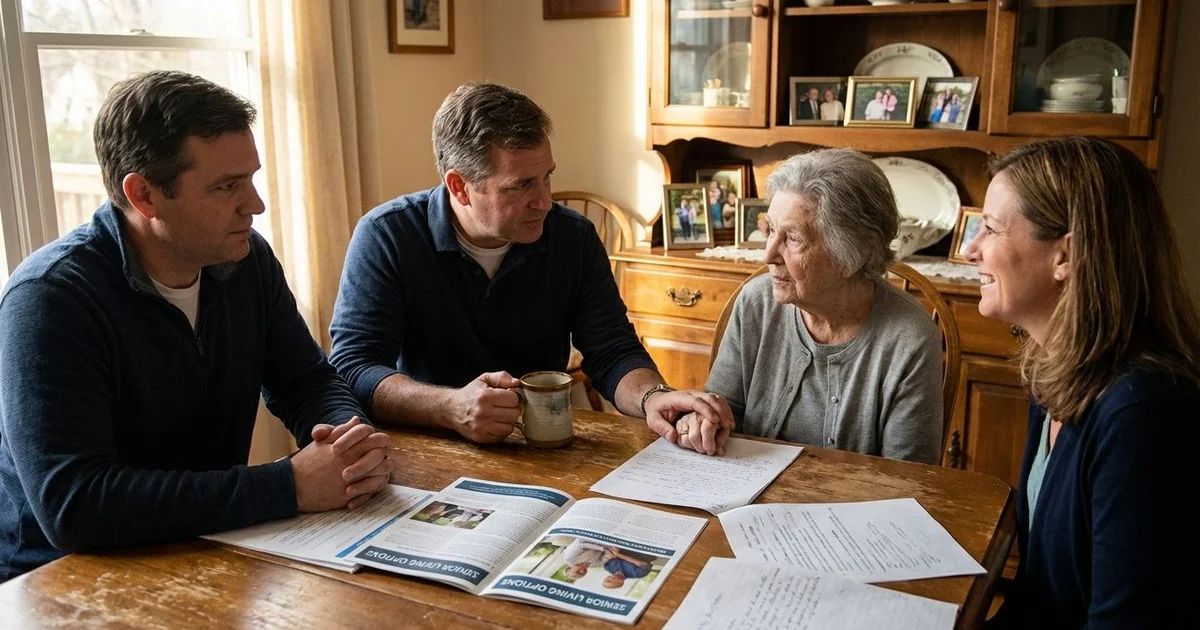
An Honest Conversation About Care Transitions
We have spent over 15 years helping families plan for aging in place, and we believe deeply in the power of independence. Modifications and home care often keep seniors safe for years longer than expected.
But we would be doing families a disservice if we ignored the hard truth. Sometimes, staying at home is no longer the safest or most humane option.
This conversation is often the hardest one a family will face. There is guilt, fear, and often significant disagreement among siblings or spouses. Our goal with this guide is to provide an objective framework for evaluation.
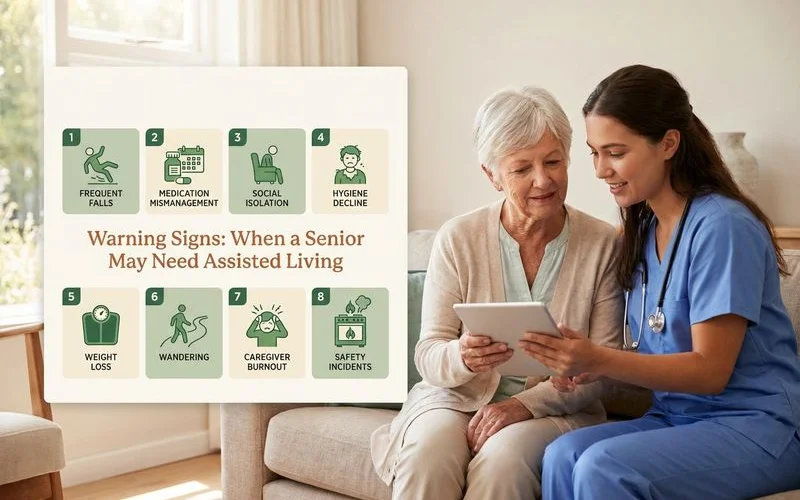
We want to help you determine if your loved one’s needs have exceeded what home care can safely provide. These eight signs do not mean you have failed. They simply mean the care plan needs to evolve to match current realities.
Sign 1: Repeated Falls Despite Home Modifications
An occasional stumble happens to almost everyone as they age. However, when falls become frequent, defined as two or more in a six-month period, the situation has changed.
We look for specific patterns. If falls continue despite having proper fall prevention measures in place, this signals a level of instability that grab bars cannot fix. According to the CDC, falls are the leading cause of injury-related death among adults age 65 and older.
Pay close attention to the context of these accidents. Falls that happen during routine activities, like walking from the bedroom to the bathroom, are particularly concerning.
If accidents occur even with adequate lighting and non-slip surfaces, the underlying cause is likely neurological or related to blood pressure drops. This type of progressive mobility issue often requires continuous, eyes-on supervision that intermittent home care cannot provide.
Key Questions for Families:
- Has your loved one fallen more than twice in the past six months?
- Are falls happening in areas where safety modifications already exist?
- Does your loved one try to hide bruises or accidents from you?
Sign 2: Medication Mismanagement Becoming Dangerous
Forgetting a daily vitamin is a minor issue. But when errors involve high-risk drugs like blood thinners (Warfarin), insulin, or heart medications, the consequences are immediate and severe.
We often see dangerous patterns emerge before a major medical event. Signs of critical mismanagement include:
- Double Dosing: Taking pills twice because of short-term memory lapses.
- Skipping Doses: Finding full pill bottles that should be empty.
- Dangerous Cocktails: Mixing prescription drugs with over-the-counter meds that cause interactions.
- Physical Inability: Hands that are too shaky or arthritic to open bottles or handle small tablets.
Technology has limits in this area. If a smart medication dispenser with alarms is not solving the problem, the risk is too high. Your loved one likely needs a care environment where trained professionals administer every single dose and verify it was swallowed.
Sign 3: Wandering or Getting Lost
Wandering is a distinct behavioral expression of cognitive decline, affecting roughly six in ten people with dementia. It is the single clearest indicator that 24-hour supervision is required immediately.
A senior who wanders may leave the house at 2:00 AM, forget how to get back from the mailbox, or become confused in their own neighborhood. The physical dangers of traffic, weather exposure, and falls during these episodes are extreme.
Home-based tech often provides a false sense of security. Door alarms and GPS trackers are reactive tools that tell you after a dangerous event has already started.
When these measures are triggered frequently, the risk has escalated beyond what home monitoring can manage. A secure memory care unit or assisted living facility offers a perimeter that allows for freedom of movement without the risk of exit.
Sign 4: Severe Nutritional Decline
Weight loss in seniors is often dismissed as a normal part of aging, but it is frequently a red flag for deeper issues. Malnutrition weakens the immune system and accelerates muscle loss, leading to more falls.
We look for the “tea and toast” syndrome. This occurs when a senior relies on simple, processed snacks because cooking has become too confusing or physically taxing.
Warning Signs of Nutritional Risk:
- Rapid Weight Loss: Losing 10+ pounds in 3 months without trying.
- Expired Food: A refrigerator filled with spoiled items or multiples of the same item.
- Kitchen Hazards: Burn marks on pans or tea towels, indicating near-miss fires.
- Dehydration: Dark urine or confusion, which often mimics dementia symptoms.
Meal delivery services can help, but they cannot force a senior to eat. If your loved one is consistently unable to prepare food safely or simply forgets to eat, the structured dining of assisted living becomes a medical necessity.
| Feature | Home Care / Delivery | Assisted Living Dining |
|---|---|---|
| Schedule | Variable; requires senior to initiate | Fixed daily times; staff reminders |
| Social Aspect | Often solitary | Social; encourages better appetite |
| Monitoring | None; food may go uneaten | Staff tracks intake and hydration |
| Variety | Limited to delivery menu | Balanced, chef-prepared options |
Sign 5: Personal Hygiene Has Significantly Declined
A decline in hygiene is often the first visible sign families notice. It usually indicates a struggle with Executive Functioning, the brain’s ability to plan and sequence tasks.
We see this manifest as infrequent bathing, wearing the same soiled clothes for days, or noticeable body odor. For someone who was previously fastidious about their appearance, this is a major shift.
Sometimes the barrier is physical fear. The bathroom is a dangerous place, and modifications like a walk-in tub or roll-in shower can resolve the fear of slipping.
However, if hygiene continues to decline despite these renovations, the issue is cognitive. At this stage, the gentle, scheduled assistance provided by facility staff often preserves dignity better than family members trying to force a shower.
Sign 6: Social Isolation Is Causing Depression
Loneliness is a serious medical risk factor. The Surgeon General has equated the health impact of social isolation to smoking 15 cigarettes a day.
We urge you to look for changes in engagement. If your loved one refuses visitors, has lost interest in hobbies, or shows signs of clinical depression, the silence of an empty house is likely contributing to their decline.
Home care aides provide companionship, but it is not the same as peer interaction.
The Community Advantage:
- Shared Meals: Eating with others improves caloric intake.
- Peers: Daily interaction with people of the same generation.
- Activities: Structured programs that don’t require the senior to plan anything.
For seniors who are homebound, the built-in social structure of assisted living acts as a therapeutic intervention.
Sign 7: Caregiver Burnout Is Reaching a Breaking Point
This sign focuses entirely on you. Family caregivers providing significant daily care face high rates of anxiety, depression, and physical illness.
We often remind families that you cannot pour from an empty cup. If you collapse from exhaustion, your loved one loses their primary support system.
Symptoms of Unsustainable Burnout:
- Sleep Deprivation: Waking up multiple times a night to help.
- Resentment: Feeling angry at your loved one, followed by intense guilt.
- Health Issues: Your own blood pressure or stress levels are spiking.
- Neglect: You are missing your own medical appointments or work deadlines.
Burnout is not a lack of love. It is the result of trying to do a 24-hour job with one person. If your health is deteriorating, a facility is often the best way to restore your relationship from “nurse” back to “daughter” or “son.”

Sign 8: The Home Environment Cannot Be Made Safe Enough
Some properties simply cannot be adapted for severe mobility issues without a massive infusion of capital. Older homes often have structural barriers that make aging in place dangerous.
We recommend a professional assessment to see the reality of the layout. Common deal-breakers include:
- Multi-level Layouts: Bedrooms and full baths are only upstairs.
- Narrow Doorways: Frames that cannot fit a standard wheelchair (needs 32” clearance).
- Small Bathrooms: No turning radius for a walker or aide assistance.
- Steep Entries: Exterior steps where a ramp would be too steep to be code-compliant.
You should request a home safety assessment to get hard numbers. If the renovations cost $50,000 or more, or if the structure simply won’t allow them, the math often favors moving to a purpose-built facility.
How to Evaluate: A Practical Decision Framework
Making this decision is easier when you move away from emotional guessing. We use this three-tier framework to help families objectively assess urgency.
Tier 1: Home Care Is Working
- Status: One or two signs are present but mild.
- Action: Implement targeted fixes. Add grab bars, increase home care hours, or use medication organizers.
- Next Step: Reassess in 3-6 months.
Tier 2: The Warning Zone
- Status: Three to four signs are present.
- Action: This is the planning phase. Explore adult day programs to relieve family strain. Increase home care to 30+ hours per week.
- Next Step: Begin researching facilities and touring them now, before a crisis forces your hand.
Tier 3: Transition Is Necessary
- Status: Five or more signs are present, OR any single sign (like wandering) poses an immediate threat to life.
- Action: Immediate financial planning and family meetings.
- Next Step: Select a facility and plan the move.
Making the Transition Easier
If the data points to assisted living, you can take specific steps to reduce the trauma of the move.
We recommend the following strategies:
- Involve Them: Give your loved one a choice between two good options rather than forcing one.
- Trial Runs: utilize “respite stays” where they live at the facility for two weeks to try it out.
- Replicate Home: Bring their favorite chair, quilt, and photos. The environment should look familiar.
- Routine: Set a firm schedule for your visits so they know exactly when you are coming back.
- Patience: Expect a 60 to 90-day adjustment period. The first few weeks are often the hardest, but it typically improves.
You can use our senior care directory to find vetted facilities in your area. Choosing safety is an act of love, ensuring your loved one gets the care they deserve.
Ready to Take Action?
Learn more about our comprehensive senior care directory solutions and how they can help your family.
Explore Senior Care Directory About Margaret Chen
Certified Aging-in-Place Specialist & Senior Care Advisor
CAPS-certified senior care advisor with 15+ years helping families plan for safe aging at home.