Raised Toilet Seat vs Comfort Height Toilet: Which Is Right for Seniors?
Expert comparison of raised toilet seats and comfort height toilets for seniors. Covers ADA height requirements, installation, costs, and which option best supports safe aging in place.

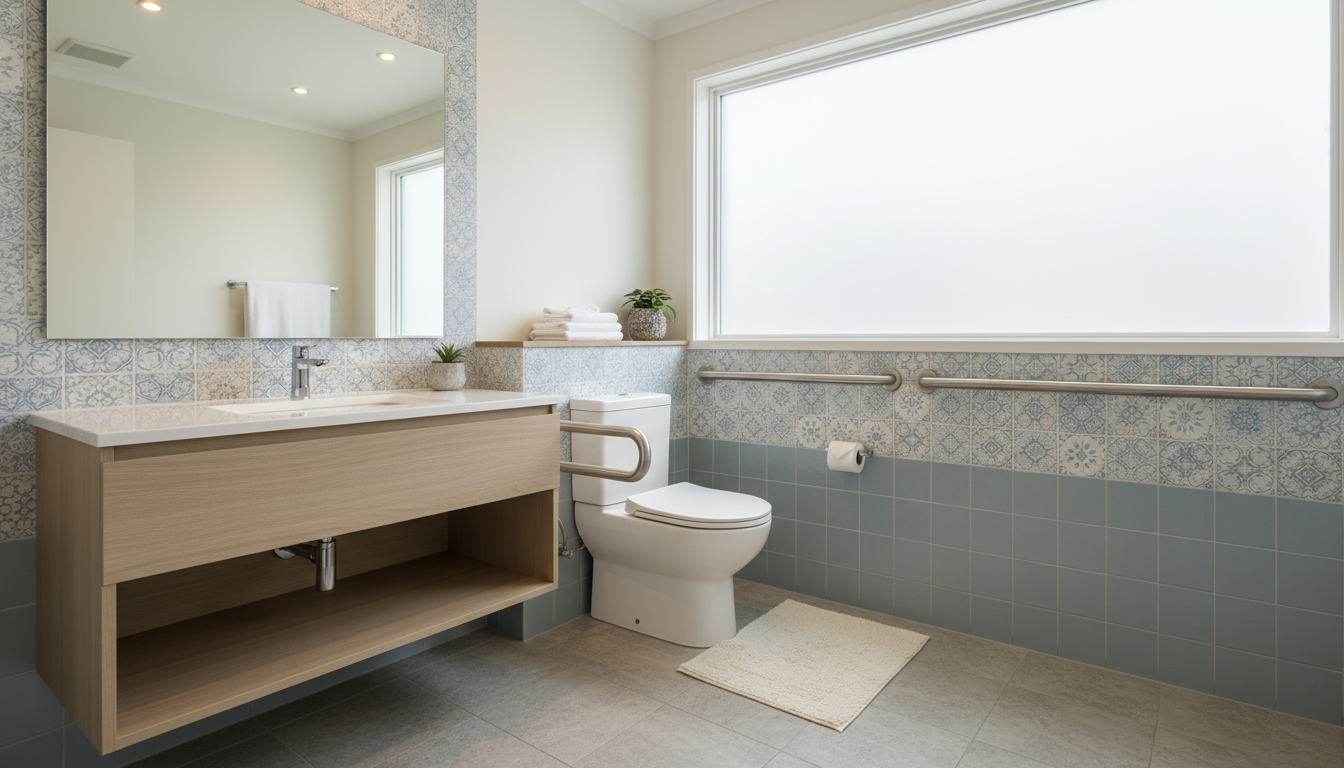
Why Toilet Height Matters More Than You Think
The toilet is one of the most used fixtures in any home, and for seniors, it is also one of the most dangerous. Our assessment data from over 2,000 home safety evaluations reveals that the bathroom accounts for roughly 80% of all fall-related injuries among adults over 65. A significant portion of those incidents involve the act of sitting down or standing up from a standard toilet.
The core issue is biomechanical. A standard toilet sits approximately 15 inches from the floor to the top of the seat. For a person with weakened quadriceps, arthritic knees, or reduced hip mobility, lowering themselves to that height and then pushing back up requires a level of strength and balance that degrades with age.
The solution comes in two forms: a raised toilet seat (a removable accessory that adds height to an existing toilet) or a comfort height toilet (a permanently taller fixture that replaces the standard unit). Both address the same fundamental problem, but they differ substantially in cost, permanence, portability, and suitability for specific medical conditions.
We have recommended both solutions hundreds of times. This guide lays out the precise differences so you can make the right choice for your situation.
Understanding Toilet Height Standards
Before comparing the two options, you need to understand the measurement baseline.
Standard Height Toilet
A standard toilet measures 14 to 15 inches from the floor to the top of the bowl rim (without the seat). With a standard seat, the total sitting height is approximately 15 to 16 inches. This height was designed decades ago when average human height was shorter and accessibility was not a design priority.
Comfort Height Toilet
A comfort height toilet (also marketed as "chair height," "right height," or "universal height" by various manufacturers) measures 17 to 19 inches from floor to seat top. This height is compliant with ADA (Americans with Disabilities Act) requirements, which mandate a toilet seat height of 17 to 19 inches for accessible facilities.
The name "comfort height" is a marketing term popularized by Kohler. American Standard calls their equivalent "Right Height." TOTO uses "Universal Height." They all describe the same dimensional range.
ADA Toilet Height Requirements
The ADA specifies that an accessible toilet seat must be between 17 and 19 inches above the finished floor, measured to the top of the seat. This range was determined through ergonomic research as the optimal height for wheelchair transfers and for users with limited lower-body mobility.
| Toilet Type | Bowl Height (No Seat) | Total Height With Seat | ADA Compliant? |
|---|---|---|---|
| Standard | 14 – 15 inches | 15 – 16 inches | No |
| Comfort Height | 16 – 17 inches | 17 – 19 inches | Yes |
| Standard + Raised Seat (3.5") | 14 – 15 inches | 18.5 – 19.5 inches | Yes (effective) |
| Standard + Raised Seat (5") | 14 – 15 inches | 20 – 21 inches | Exceeds ADA range |
Raised Toilet Seats Explained
A raised toilet seat, also called a toilet seat riser or elevated toilet seat, is a device that clamps or locks onto your existing toilet bowl to raise the effective sitting height by 2 to 6 inches.
Types of Raised Toilet Seats
There are four primary configurations, each suited to different needs.
- Basic Clamp-On Riser: A molded plastic seat that secures to the bowl with adjustable brackets underneath. Heights typically range from 3.5 to 5 inches. These are the most affordable option, starting around $25 to $40. The Carex raised toilet seat and Drive Medical toilet seat riser are common examples in this category.
- Raised Seat With Handles (Arms): Same as above, but with padded armrests bolted to the sides. The handles provide leverage for sitting and standing. The Vive Health raised toilet seat and Moen Home Care elevated toilet seat offer popular models in this style, typically priced at $50 to $90.
- Locking Raised Toilet Seat: Features a secure locking mechanism that prevents lateral movement. This is critical for users who shift their weight significantly or who have a tendency to lean. A locking raised toilet seat reduces the risk of the riser sliding during a transfer.
- Padded Raised Toilet Seat: Includes cushioned seating surface for users with pressure sensitivity, tailbone pain, or who spend extended time on the toilet. These range from $60 to $120.
Raised seats also come in elongated and round configurations to match your existing bowl shape. Using a round raised toilet seat on an elongated bowl (or vice versa) creates a gap that is both uncomfortable and a pinch hazard.
Pro Tip: Before purchasing, measure your existing toilet bowl. Elongated bowls are approximately 18.5 inches from the mounting holes to the front rim. Round bowls measure approximately 16.5 inches. Getting this wrong is the most common purchasing mistake we see.
Weight Capacity Considerations
Most standard raised toilet seats support 250 to 300 pounds. Bariatric models rated for 350 to 500 pounds are available but cost more. Always verify the raised toilet seat weight capacity before purchasing. A seat rated below the user's weight is a structural failure waiting to happen.
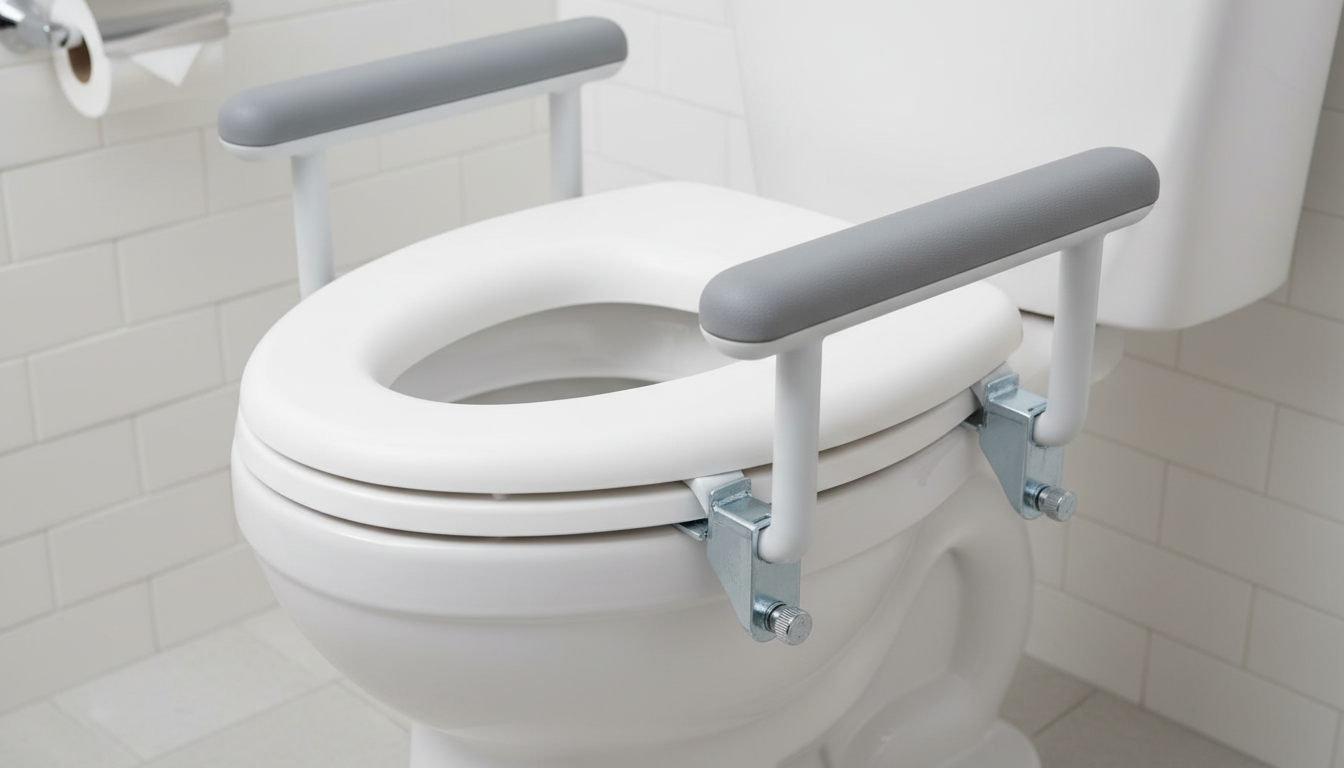 A raised toilet seat with handles provides both added height and leverage points for safe transfers
Comfort Height Toilets Explained
A comfort height toilet is a complete fixture replacement. Rather than adding an accessory to an existing toilet, you remove the old unit and install one that was manufactured at the taller height.
Advantages of Comfort Height Toilets
- Permanent Solution: No removable parts that can shift, break, or need cleaning underneath. The taller height is built into the porcelain itself.
- Aesthetics: Looks like a standard toilet. Visitors and home buyers will not notice a medical device in the bathroom. This matters significantly for resale value.
- Stability: Bolted to the floor with a wax ring seal, just like any toilet. There is zero risk of the seat shifting during a transfer.
- Maintenance: Standard cleaning. No extra crevices or mounting hardware that collects bacteria.
- Compatibility: Works with any standard toilet seat, including soft-close, heated, or bidet seats.
Popular Comfort Height Models
| Model | Bowl Height | Style | Approx. Price |
|---|---|---|---|
| Kohler Highline Comfort Height | 16.5 inches | Two-piece, elongated | $250 – $400 |
| American Standard Cadet Pro | 16.5 inches | Two-piece, elongated | $200 – $350 |
| TOTO Drake Universal Height | 16.125 inches | Two-piece, elongated | $300 – $450 |
| HOROW Chair Height | 16.5 inches | One-piece, elongated | $200 – $350 |
Installation of a comfort height toilet requires removing the old toilet, replacing the wax ring, setting the new unit, and reconnecting the water supply. A plumber typically charges $150 to $300 for labor, bringing the total project cost to $350 to $750.
Head-to-Head Comparison: Raised Toilet Seat vs Comfort Height Toilet
Here is the direct comparison our team uses when advising families during bathroom accessibility consultations.
| Factor | Raised Toilet Seat | Comfort Height Toilet |
|---|---|---|
| Cost | $25 – $120 | $350 – $750 (with installation) |
| Installation | No tools required; 2 minutes | Plumber recommended; 1-2 hours |
| Portability | Fully portable; travel-friendly | Permanent fixture |
| Height Adjustment | 2 to 6 inches of adjustable lift | Fixed at 17 – 19 inches total |
| Stability | Good with locking models; moderate with basic | Excellent; bolted to floor |
| Aesthetics | Visible medical device | Standard toilet appearance |
| Cleaning | Must remove to clean underneath | Standard toilet cleaning |
| Seat Compatibility | Limited; most replace existing seat | Any standard seat, bidet, etc. |
| Resale Value Impact | None (removable) | Positive (universal design feature) |
| Medicare Coverage | May be covered as DME with prescription | Not covered (home improvement) |
Which Option Fits Your Situation
The right answer depends on the medical context, the living arrangement, and the budget. Here is our decision framework.
Choose a Raised Toilet Seat When
- Post-Surgery Recovery: After hip replacement or knee replacement surgery, surgeons typically mandate a toilet height of 20 to 22 inches for the first 6 to 12 weeks. A comfort height toilet alone does not reach this height. A 5-inch raised toilet seat on a standard toilet achieves it. This is the most common scenario where a toilet seat riser is medically required.
- Renting: If you do not own the home, a portable raised toilet seat is the only practical option. It installs in minutes and removes without any trace.
- Budget Constraints: When the entire aging-in-place budget is limited, a $40 raised seat delivers immediate safety improvement without a plumbing project.
- Temporary Need: Injuries, short-term mobility issues, or visiting elderly relatives. A portable raised toilet seat solves the problem without permanent modification.
- Extreme Height Required: Some conditions (severe arthritis, advanced hip degeneration) require a seat height above 19 inches. Only a raised seat or a commode chair can achieve this on a standard toilet.
Choose a Comfort Height Toilet When
- Long-Term Aging in Place: If the plan is to live in this home for years, a comfort height toilet is a permanent upgrade that supports the entire household. As detailed in our senior bathroom safety checklist, it is one of the foundational modifications for an aging-in-place bathroom.
- Wheelchair Transfers: The ADA-compliant height aligns with standard wheelchair seat height, making lateral transfers significantly easier and safer.
- Household With Multiple Users: A comfort height toilet works well for most adults. A raised toilet seat may be uncomfortable or awkward for shorter family members or children.
- Home Renovation: If you are already remodeling the bathroom, swapping the toilet adds minimal incremental cost compared to a standalone project.
- Resale Planning: Universal design features like a comfort height toilet are increasingly valued by home buyers. They signal accessibility without looking institutional.
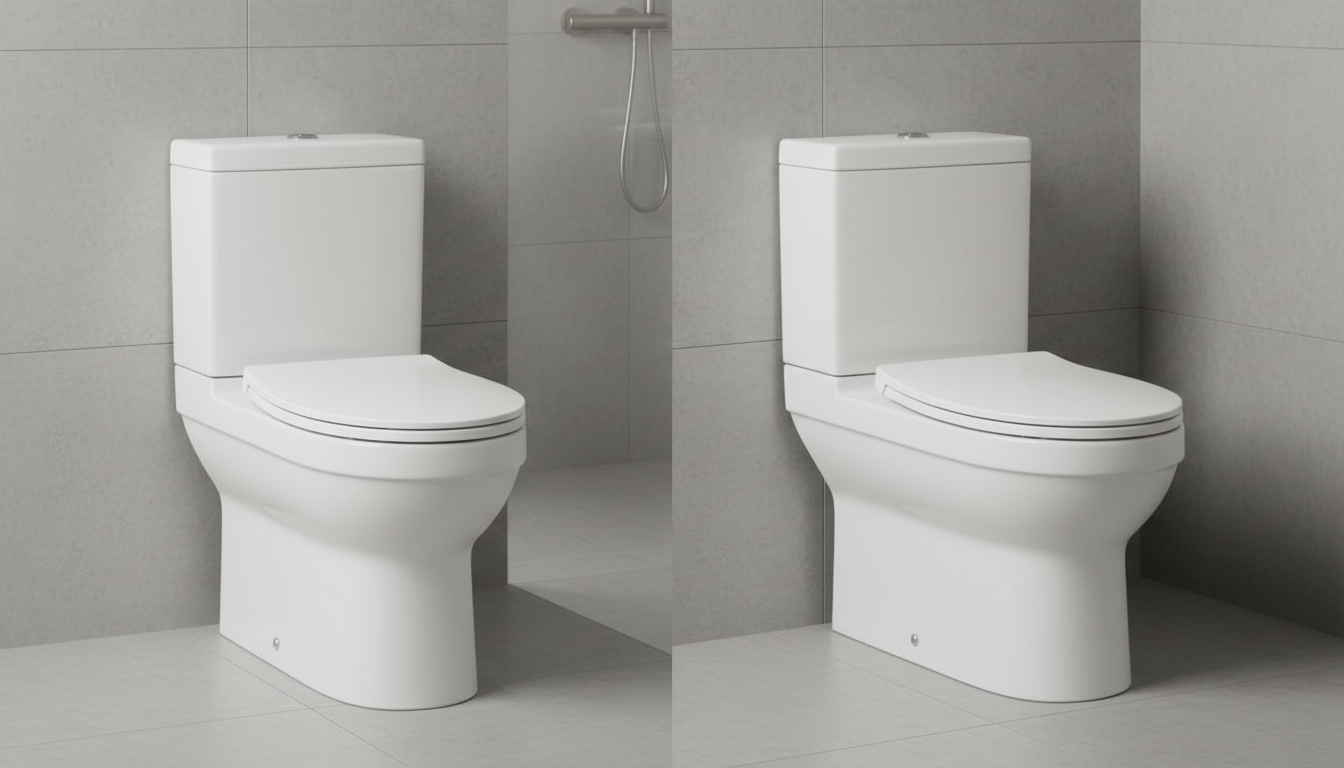 The 2 to 3 inch height difference between standard and comfort height toilets significantly reduces the physical effort required to sit and stand
Combining Both Solutions for Maximum Safety
In many cases, the best answer is both. A comfort height toilet with a toilet safety frame (a freestanding metal frame with armrests that surrounds the toilet) provides the ideal combination of correct height and transfer support.
For post-surgical patients, we often recommend installing a comfort height toilet as the permanent fixture and keeping a removable 2-inch riser for the recovery period. Once recovery is complete, the riser is removed, and the comfort height toilet continues to serve long-term needs.
Additionally, properly installed grab bars adjacent to the toilet multiply the safety benefit of either solution. The grab bar provides a fixed anchor point that compensates for any remaining height or stability challenge.
Installation and Safety Tips
Raised Toilet Seat Installation
- Remove the existing toilet seat by unscrewing the bolts at the rear of the bowl.
- Place the raised seat onto the bowl rim, aligning the bolt holes or clamp brackets.
- Tighten the locking mechanism until the seat does not move when you apply lateral pressure with both hands.
- Test with weight before the user sits. Apply your full body weight and rock side to side. If there is any movement, re-tighten or switch to a locking model.
- Check weekly: Vibration from daily use loosens the mounting hardware over time. Establish a weekly tightness check as part of your routine.
Comfort Height Toilet Installation
We strongly recommend professional installation. A poorly set toilet leaks at the wax ring, which causes subfloor rot that costs thousands to repair. The installation process involves shutting off the water supply, draining the old toilet, removing it, scraping the old wax ring, setting a new ring, lowering the new toilet onto the flange bolts, leveling, tightening, and reconnecting the supply line.
Critical Warning: Over-tightening the flange bolts cracks the porcelain base. This is the most common DIY mistake and results in a destroyed toilet that cannot be returned. Tighten until snug, then stop.
Medicare and Insurance Coverage
A raised toilet seat may qualify as durable medical equipment (DME) under Medicare Part B if a physician writes a prescription documenting medical necessity. Coverage typically applies to basic models without premium features. Check with your Medicare provider for specific covered items and copay amounts.
A comfort height toilet is classified as a home improvement and is not covered by Medicare. However, some state Medicaid waiver programs and VA benefits may provide funding for bathroom modifications. Our guide to financial assistance for senior home modifications covers these programs in detail.
The Bottom Line
A raised toilet seat is the faster, cheaper, and more flexible solution. A comfort height toilet is the more permanent, stable, and aesthetically integrated option. Neither is universally superior. The right choice depends on whether you need a temporary medical accommodation or a long-term aging-in-place modification.
For most families planning to age in place, we recommend the comfort height toilet as the foundation and a raised toilet seat as a supplemental tool for recovery periods or changing medical needs. Combined with proper fall prevention measures like grab bars and non-slip flooring, this approach creates a bathroom that supports independence for years to come.
Ready to Take Action?
Learn more about our comprehensive bathroom accessibility solutions and how they can help your family age safely at home.
Explore Bathroom Accessibility About Margaret Chen
Certified Aging-in-Place Specialist & Senior Care Advisor
CAPS-certified senior care advisor with 15+ years helping families plan for safe aging at home.
Related Articles
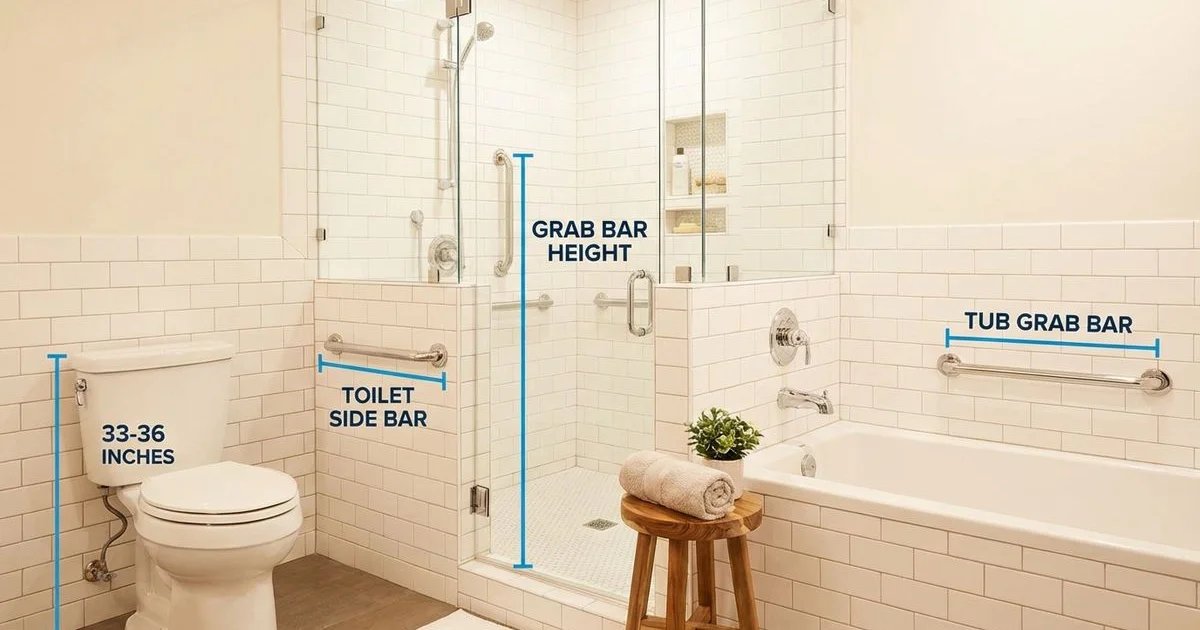
Where and How to Install Grab Bars: Location Guide With Diagrams
Expert guide to grab bar placement in bathrooms, hallways, and bedrooms. Includes installation heights, recommended products, and DIY vs. professional advice.
Senior Bathroom Safety Checklist: The Complete Room-by-Room Guide
Complete bathroom safety checklist for seniors covering grab bars, non-slip surfaces, lighting, and accessibility modifications.

Fall Prevention for Seniors: The Complete Home Safety Guide
Evidence-based fall prevention strategies for seniors covering home modifications, exercise, medication management, and environmental hazard reduction.