Non-Slip Bathroom Flooring for Elderly: Complete Safety Guide 2026
Expert guide to choosing the safest non-slip bathroom flooring for seniors, including DCOF ratings, material comparisons, installation costs, and ADA-compliant options for aging in place.

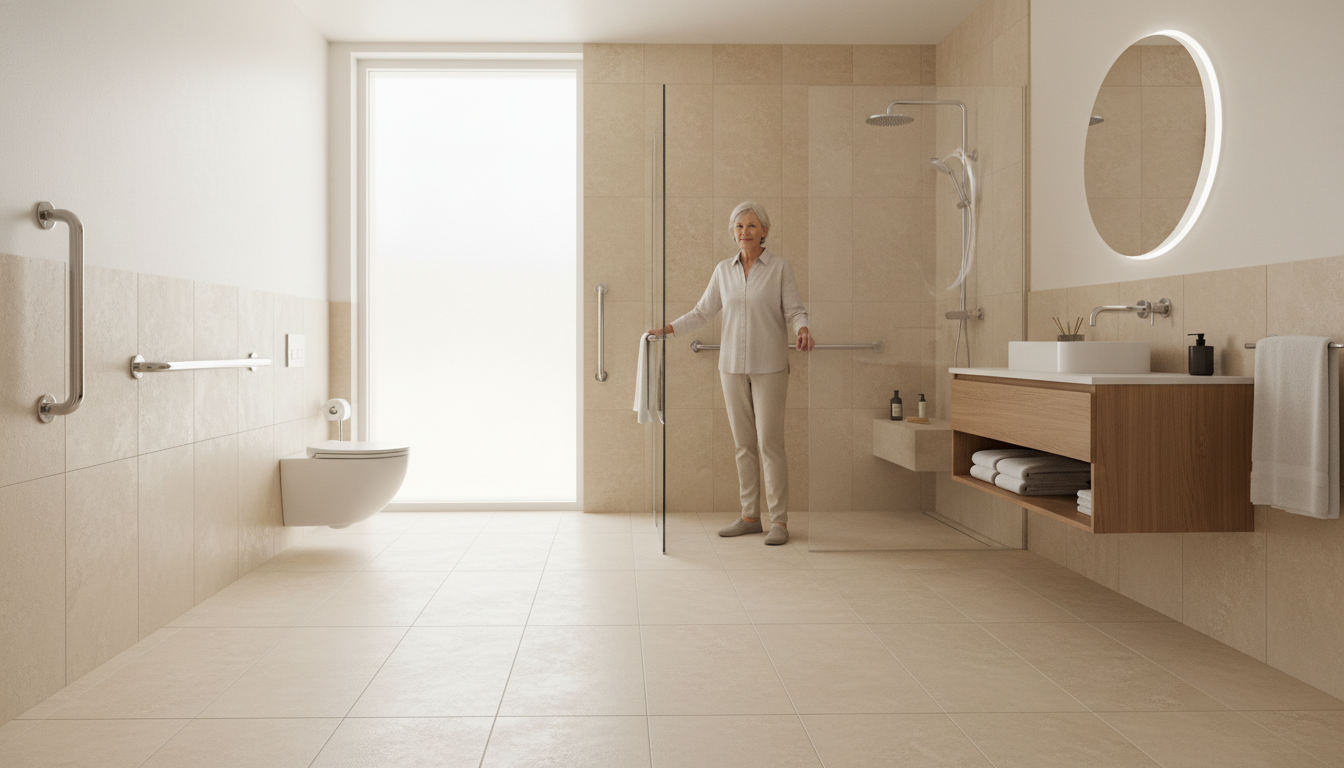
Why Bathroom Flooring Matters for Elderly Safety
The bathroom is the most dangerous room in any home for seniors. According to the CDC, more than 230,000 Americans over age 65 visit emergency rooms each year due to bathroom-related injuries, and the vast majority of these involve slips and falls on wet surfaces. The single most impactful change families can make to prevent these injuries is installing proper non-slip bathroom flooring.
We have evaluated hundreds of bathroom renovation projects for aging in place, and flooring is consistently the factor that makes the biggest difference in day-to-day safety. Unlike grab bars or shower seats that address specific moments of vulnerability, the floor is the surface a senior interacts with every single time they enter the bathroom. A fall prevention strategy that overlooks flooring is fundamentally incomplete.
The challenge is that most standard bathroom flooring was never designed with elderly safety in mind. Polished ceramic tiles, smooth natural stone, and glossy porcelain all become dangerously slippery when wet. Even a thin film of water, soap residue, or condensation can turn these surfaces into fall hazards. For seniors with reduced balance, slower reaction times, or mobility devices like walkers, these conditions can be life-threatening.
Key Fact: The National Institute on Aging reports that one in four Americans aged 65 and older falls each year. Bathroom falls are among the most severe because of the hard surfaces involved, with hip fractures and head injuries being common outcomes that often lead to long-term disability or loss of independence.
Understanding DCOF Ratings: The Science of Slip Resistance
Before comparing specific flooring materials, it is essential to understand how slip resistance is measured. The industry standard is the Dynamic Coefficient of Friction (DCOF) rating, which measures how much grip a surface provides when wet. This is the single most important number to look for when shopping for slip-resistant bathroom tiles or any bathroom flooring for elderly use.
The American National Standards Institute (ANSI) sets the minimum DCOF threshold at 0.42 for level interior wet surfaces. However, we strongly recommend seniors and their families look for flooring with a DCOF rating of 0.60 or higher for bathroom applications. This provides a meaningful safety margin that accounts for the increased fall risk associated with aging.
The DCOF test (ANSI A326.3) uses a device called a BOT-3000E that drags a weighted sensor across a wet tile surface. The result is a number between 0 and 1, where higher numbers mean more grip. Here is how to interpret common ratings:
- Below 0.42: Does not meet minimum ADA standards for wet areas. Avoid for any elderly bathroom.
- 0.42–0.50: Meets minimum standard but provides only marginal safety. Not recommended for seniors.
- 0.50–0.60: Moderate slip resistance. Acceptable for bathroom areas that stay relatively dry.
- 0.60–0.80: Good slip resistance. Our recommended range for most senior bathrooms.
- Above 0.80: Excellent slip resistance. Ideal for walk-in showers, curbless shower floors, and wet room applications.
When shopping at Home Depot or Lowe's, look for the DCOF rating on the product specification sheet. Not all retailers display this prominently, so you may need to check the manufacturer's website or ask a flooring specialist. Products marketed as ADA compliant bathroom flooring must meet the 0.42 minimum, but again, aim higher for elderly applications.
Best Non-Slip Flooring Materials for Senior Bathrooms
We have tested, installed, and monitored the long-term performance of every major anti-slip bathroom floor material available in 2026. Each has distinct advantages and trade-offs depending on your specific situation, budget, and the level of mobility challenges involved. Below is our detailed breakdown of the six best options.
Textured Porcelain Tile
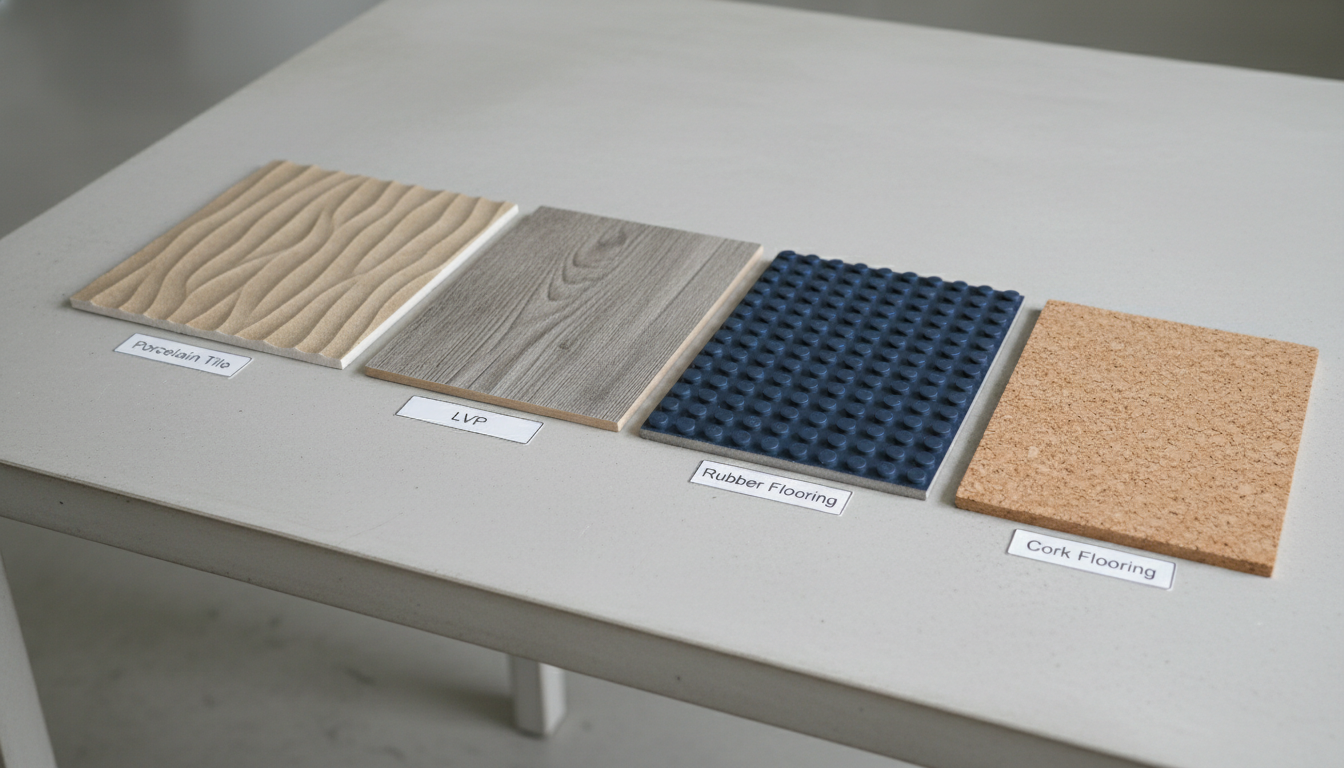
Textured porcelain tile remains the gold standard for slip-resistant bathroom tiles in aging-in-place applications. Products like the Daltile StepWise line are specifically engineered for wet environments, featuring a micro-textured surface that provides grip without feeling rough or uncomfortable underfoot.
Porcelain tile offers a DCOF rating typically between 0.60 and 0.85 depending on the texture pattern. It is completely waterproof, extremely durable, and available in hundreds of styles including options that mimic natural stone or wood grain. The key distinction from standard ceramic tile is density: porcelain is fired at higher temperatures, making it less porous and more resistant to moisture absorption.
We particularly recommend matte finish bathroom tile or honed porcelain tile over polished varieties. The polishing process that creates a glossy surface also reduces friction, which directly undermines slip resistance. A matte or textured finish sacrifices nothing in terms of aesthetics while providing significantly better grip when wet.
Luxury Vinyl Plank (LVP)
Luxury vinyl plank has rapidly become the most popular flooring choice for senior bathroom renovations, and for good reason. Modern LVP bathroom flooring combines a waterproof core with a textured wear layer that provides excellent slip resistance, typically achieving DCOF ratings of 0.50 to 0.70.
There are two main types to consider: WPC bathroom flooring (Wood Polymer Composite) and SPC bathroom flooring (Stone Polymer Composite). WPC is slightly softer and warmer underfoot, which provides better cushioning for falls. SPC is denser and more durable, making it better for high-traffic bathrooms or wheelchair use. Both are fully waterproof and suitable for bathroom installation.
Products like Mohawk RevWood offer the appearance of real hardwood with the waterproof performance needed for bathrooms. For seniors who want non-slip bathroom flooring that looks like wood, LVP is the clear winner. It also installs over most existing subfloors, including old tile, which can significantly reduce renovation costs and disruption.
Rubber Bathroom Flooring
Rubber bathroom flooring delivers the highest slip resistance of any material on this list, with DCOF ratings frequently exceeding 0.90. It is the same material used in commercial gyms, hospital corridors, and senior living facility flooring applications where fall prevention is paramount.
The main advantage of rubber beyond grip is its impact-absorbing properties. Products like SmartCells fall protection flooring feature a column-and-base design that cushions falls by up to 50% compared to hard tile. For seniors with a history of falls or conditions like osteoporosis, this impact reduction can be the difference between a bruise and a broken bone.
The trade-off is aesthetics. Rubber flooring does not look like traditional bathroom flooring, though modern options like Altro living in place flooring come in a wider range of colors and patterns than you might expect. It also requires professional installation and can be more expensive than vinyl alternatives. However, for bathroom flooring for elderly with mobility issues, the safety benefits are unmatched.
Vinyl Sheet Flooring
Vinyl sheet flooring is a seamless option that eliminates grout lines and seams where water can pool. A single continuous sheet covers the entire bathroom floor, creating a uniform, waterproof surface. Products from Tarkett designed for senior living environments achieve DCOF ratings of 0.55 to 0.70.
The seamless nature of sheet vinyl is particularly beneficial for wheelchair users. There are no grout lines to catch wheels, no transition points that create bumps, and no seams where bacteria can grow. It also makes cleaning significantly easier, which is important for seniors who may have difficulty bending down to scrub grout.
For families asking what is the cheapest non-slip bathroom flooring, vinyl sheet flooring is typically the most affordable option at $2 to $5 per square foot installed. It does not have the premium look of porcelain tile, but modern designs have improved dramatically and can convincingly mimic stone or tile patterns.
Cork Flooring for Elderly Bathrooms
The question of can you use cork flooring in bathroom elderly applications comes up frequently, and the answer is a qualified yes. Cork provides natural slip resistance, excellent cushioning, and a warm surface temperature that is comfortable for bare feet. Its natural texture provides DCOF ratings around 0.50 to 0.60.
The critical requirement is proper sealing. Cork must be sealed with a waterproof polyurethane finish and the seams must be carefully sealed during cork flooring bathroom installation. Without proper sealing, cork will absorb moisture and eventually warp or develop mold. We recommend factory-sealed cork planks with click-lock installation rather than glue-down tiles, as the click-lock systems provide better moisture protection at the seams.
Cork is best suited for powder rooms or half-baths where water exposure is minimal. For full bathrooms with showers or tubs, we generally steer elderly clients toward LVP or textured porcelain instead, unless the client is specifically committed to the warmth and cushion that cork provides.
Linoleum Flooring
Linoleum bathroom flooring is often confused with vinyl but is actually a natural product made from linseed oil, cork powder, and wood flour. It provides moderate slip resistance (DCOF 0.45–0.55), natural antimicrobial properties, and a lifespan of 25 to 40 years with proper maintenance.
Linoleum is an excellent choice for environmentally conscious seniors or families. It is biodegradable, made from renewable materials, and does not emit significant VOCs. The surface texture provides adequate grip for most bathroom applications, though it falls short of the slip resistance offered by textured porcelain or rubber.
Non-Slip Bathroom Flooring Comparison
| Flooring Type | DCOF Rating | Cost (Installed/sq ft) | Waterproof | Impact Absorption | Best For |
|---|---|---|---|---|---|
| Textured Porcelain Tile | 0.60–0.85 | $8–$15 | Yes | Low | Walk-in showers, wet rooms |
| Luxury Vinyl Plank | 0.50–0.70 | $5–$10 | Yes | Moderate | Full bathroom renovations |
| Rubber Flooring | 0.80–0.95 | $10–$18 | Yes | Excellent | High fall-risk seniors |
| Vinyl Sheet | 0.55–0.70 | $2–$5 | Yes | Low–Moderate | Budget-friendly, wheelchairs |
| Cork (Sealed) | 0.50–0.60 | $6–$12 | With sealing | Good | Powder rooms, comfort priority |
| Linoleum | 0.45–0.55 | $4–$8 | Water-resistant | Low | Eco-conscious renovations |
Shower and Wet Room Flooring for Elderly
The shower area demands the highest level of slip resistance in any bathroom. Walk-in shower flooring and curbless shower flooring require special attention because these surfaces are continuously wet during use and may have soap residue, shampoo, and body oil reducing traction.
For non-slip shower floors, we recommend small-format mosaic tiles (2x2 inch or smaller) with a textured surface. The grout lines between small tiles actually enhance grip because they create additional texture and channels for water drainage. Choose an epoxy grout rather than standard cement grout for better waterproofing and easier maintenance.
A non-slip shower base or shower pan is an alternative to tiled shower floors. Prefabricated shower pans made from acrylic or fiberglass come with factory-applied texture patterns that provide consistent slip resistance across the entire surface. These are particularly good options for curbless shower designs because they can be installed flush with the bathroom floor, eliminating the tripping hazard of a traditional shower curb.
For seniors considering a wet room design where the entire bathroom floor slopes toward a central drain, the floor must maintain high slip resistance everywhere. We recommend textured porcelain tile with a DCOF above 0.70 for the entire wet room surface, with the shower zone using tiles rated above 0.80.
Wheelchair and Walker Accessibility Considerations
Choosing wheelchair accessible flooring introduces additional requirements beyond slip resistance. The flooring must be firm enough to allow smooth wheelchair rolling, smooth enough that walkers do not catch, and durable enough to withstand the repeated pressure of mobility device wheels and tips.
Transition strips between different flooring materials deserve special attention. We are frequently asked are transition strips safe for elderly, and the answer depends entirely on the profile chosen. Flat transition strips with a beveled edge (no more than 1/4 inch high) are generally safe. Tall, raised transition strips are a serious tripping hazard and should be replaced or eliminated entirely.
The best approach is to use the same flooring material throughout the bathroom to eliminate transitions completely. If transitions are unavoidable, ADA guidelines specify that level changes should not exceed 1/4 inch, and anything between 1/4 inch and 1/2 inch must have a beveled edge with a slope no steeper than 1:2.
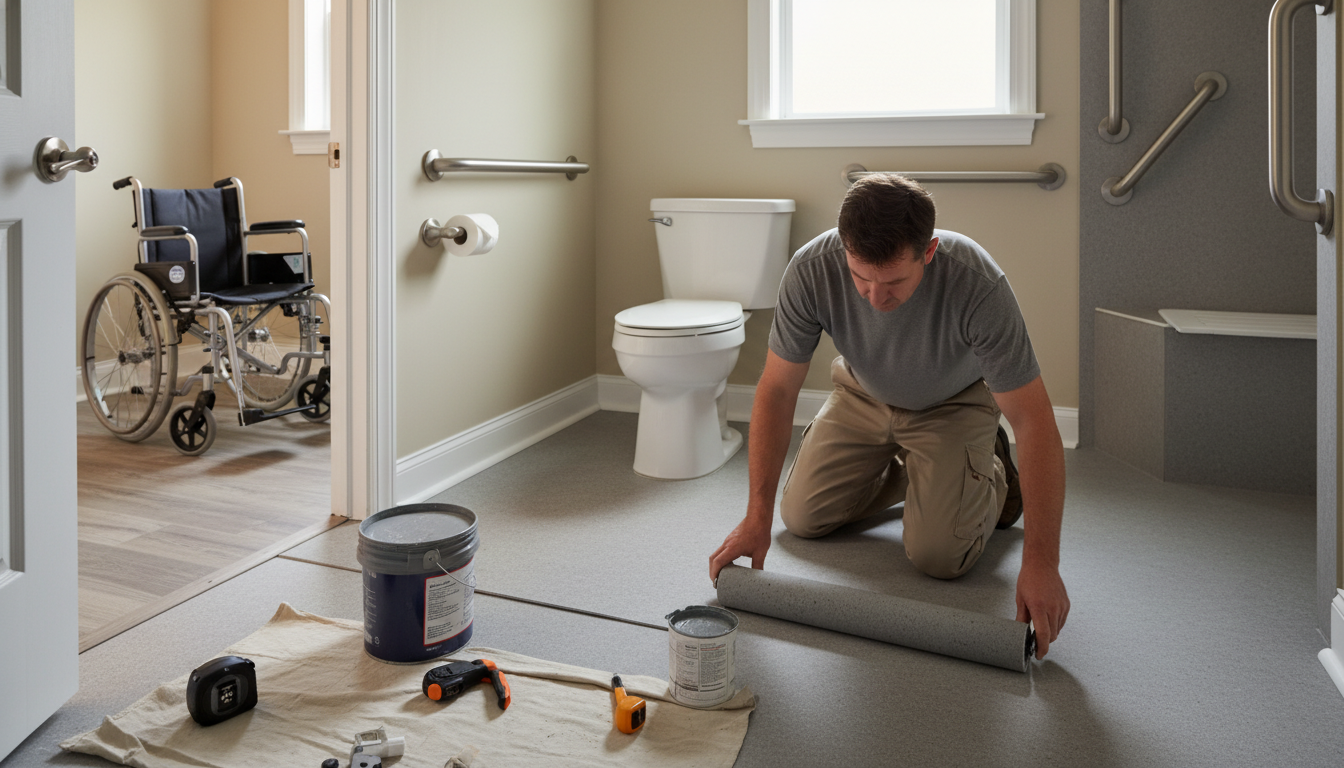
For seniors who use walkers, textured vinyl flooring and smooth-finish LVP work best. Heavily textured tile or rubber flooring with deep patterns can catch walker tips and create a jerky, unstable gait. The ideal surface provides enough friction to prevent slipping but is smooth enough for mobility devices to glide freely.
Important: If your loved one uses a wheelchair, avoid cork and linoleum flooring. The constant pressure of wheelchair wheels can create permanent indentations in these softer materials, leading to uneven surfaces that become tripping hazards for anyone walking in the bathroom.
Cost Breakdown and Medicare Coverage
One of the most common questions we receive is how much does non-slip bathroom flooring cost installed. The total cost depends on the material chosen, bathroom size, condition of the existing subfloor, and whether additional work like shower pan replacement is needed.
For a typical 40-square-foot bathroom, here are realistic 2026 cost ranges including professional installation:
- Vinyl Sheet Flooring: $150–$300 total (most affordable option)
- Luxury Vinyl Plank: $300–$500 total
- Linoleum: $250–$450 total
- Cork (sealed): $350–$600 total
- Textured Porcelain Tile: $450–$800 total
- Rubber Flooring: $500–$900 total
- SmartCells Fall Protection: $800–$1,200 total (premium impact absorption)
Many families ask does Medicare cover bathroom flooring for elderly. Unfortunately, standard Medicare (Parts A and B) does not cover home modifications including flooring. Medicare considers flooring a home improvement rather than durable medical equipment (DME). However, there are alternative funding sources worth exploring:
- Medicaid HCBS Waivers: Many states include home modifications in their Home and Community-Based Services waivers. Coverage varies significantly by state.
- VA Aid and Attendance: Veterans may qualify for benefits that can be applied toward bathroom safety modifications.
- Area Agency on Aging: Local agencies often administer grant programs for home safety modifications for low-income seniors.
- USDA Rural Development: The Section 504 program provides grants up to $10,000 for home repairs for elderly homeowners in rural areas.
For a comprehensive look at funding options, see our financial assistance guide for senior home modifications.
Installation Options: Professional vs. DIY
The question of can you put non-slip flooring over existing tile depends on the material and the condition of the existing floor. LVP and vinyl sheet flooring can often be installed directly over existing tile if the surface is level, clean, and firmly adhered. This overlay approach saves the cost and mess of tile demolition, which typically runs $3 to $5 per square foot.
However, we strongly recommend professional installation for elderly bathroom flooring for several reasons. First, proper moisture barrier installation is critical. A poorly installed moisture barrier can lead to mold growth beneath the flooring, which poses serious health risks. Second, floor leveling and slope toward drains must be precise, especially in curbless shower and wet room designs. Third, the flooring must be seamlessly integrated with grab bar mounting points and other safety features.
For seniors looking for how to make bathroom floor non-slip without replacing existing flooring, there are several temporary solutions:
- Anti-slip floor coatings: Products like SlipDoctors or Grip-It create a micro-texture on existing tile that significantly improves wet traction. These typically last 1 to 3 years before reapplication is needed.
- Non-slip bathroom mats: High-quality suction-cup mats provide immediate grip improvement. Replace them every 6 months as suction cups degrade.
- Peel-and-stick grip strips: Applied directly to shower floors and high-traffic areas. Inexpensive but must be replaced regularly.
These temporary solutions are reasonable stopgaps while planning a full renovation, but they should not be considered permanent alternatives to proper non-slip bathroom flooring installation.
Color, Visibility, and Universal Design
An often-overlooked aspect of aging in place bathroom design is how flooring color and contrast affect safety. Many seniors experience reduced visual acuity, contrast sensitivity, and depth perception. The wrong flooring color can make it difficult to judge distances, see water on the floor, or identify the edges of steps and transitions.
We recommend choosing flooring colors that provide clear contrast with walls, fixtures, and cabinetry. Specifically:
- Medium-toned floors (not too dark, not too light) provide the best visibility for most seniors
- Avoid pure white flooring — it creates glare, hides wet spots, and makes depth perception difficult
- Avoid very dark flooring — it can appear as a void or hole to seniors with low vision, causing them to hesitate or misstep
- Choose warm, matte finishes that reduce glare and create a welcoming environment
- Use contrasting color at transitions, step edges, and the shower threshold
For elderly with pets, consider flooring that resists pet hair accumulation and is easy to clean. Textured porcelain and LVP both perform well in homes with pets. Rubber flooring can trap pet hair in its texture and requires more frequent cleaning. We cover more bathroom accessibility considerations in our senior bathroom safety checklist.
Maintenance and Cleaning Tips
Proper maintenance is essential to preserve the slip resistance of any non-slip bathroom flooring. Over time, soap scum, mineral deposits, and cleaning product residue can fill the micro-texture that provides grip, gradually reducing effectiveness. Here is how to clean textured bathroom tile elderly safely and effectively:
- Daily: Wipe up standing water after bathing. Use a squeegee or absorbent bath mat to minimize moisture on the floor.
- Weekly: Clean with a pH-neutral cleaner and a soft-bristle brush. Avoid oil-based cleaners, furniture polish, or wax-based products — these create a slippery film that defeats the purpose of textured flooring.
- Monthly: Deep clean grout lines with a grout-specific cleaner and stiff brush. Mildewed grout is both a health hazard and a slip hazard.
- Quarterly: Test slip resistance by walking on the wet floor with bare feet. If you notice reduced grip, a deeper cleaning with a degreasing product usually restores performance.
For rubber flooring, avoid petroleum-based cleaners which can degrade the rubber over time. Use a mild soap and water solution with a microfiber mop. For vinyl flooring, avoid abrasive scrubbers that can damage the wear layer and reduce the textured surface that provides grip.
Making the Right Choice for Your Situation
Choosing the best non-slip bathroom flooring for elderly comes down to balancing four factors: slip resistance, comfort, budget, and aesthetics. There is no single flooring that is best for every senior. Here is our decision framework based on common scenarios:
- Highest fall risk / history of falls: Rubber or SmartCells impact-absorbing flooring. The cushioning alone justifies the higher cost.
- Wheelchair or walker user: LVP (SPC core) or vinyl sheet. Smooth enough for mobility devices, waterproof, affordable.
- Walk-in shower or wet room: Textured porcelain mosaic tile with DCOF above 0.80. Nothing matches its performance in continuously wet conditions.
- Budget-conscious renovation: Vinyl sheet flooring at $2–$5/sq ft installed. Apply anti-slip coating for extra protection.
- Design-conscious / resale value: Textured porcelain tile or premium LVP. Both look beautiful and non-slip bathroom flooring does increase home value by appealing to the growing aging-in-place buyer market.
- Quick temporary fix: Anti-slip floor coating on existing tile, plus high-quality non-slip bath mats.
Whatever material you choose, ensure it is properly installed by a professional experienced with aging-in-place home modifications. A perfect flooring material installed poorly is worse than a good material installed correctly. Get at least three quotes, ask for references from elderly clients, and verify that the installer understands ADA transition requirements and moisture barrier protocols.
For a complete room-by-room approach to senior safety, explore our DIY home safety assessment guide or schedule a professional home safety assessment.
Ready to Make Your Bathroom Safer?
Start with a professional home safety assessment to evaluate your current bathroom flooring and get personalized recommendations for the safest non-slip options for your loved one's specific needs.
Explore Home Safety Assessments About Margaret Chen
Certified Aging-in-Place Specialist & Senior Care Advisor
CAPS-certified senior care advisor with 15+ years helping families plan for safe aging at home. Margaret specializes in bathroom safety modifications and accessible home design for seniors with mobility challenges.
Related Articles

Senior Bathroom Safety Checklist: Complete Guide
Room-by-room bathroom safety checklist covering grab bars, flooring, lighting, and accessibility modifications for elderly independence.
Fall Prevention for Seniors: Complete Home Safety Guide
Evidence-based strategies to prevent falls at home including exercises, home modifications, and safety equipment recommendations.
Grab Bar Installation Guide: Where and How to Install Safely
Step-by-step guide to installing grab bars in bathrooms including proper placement, stud finding, and ADA recommendations.