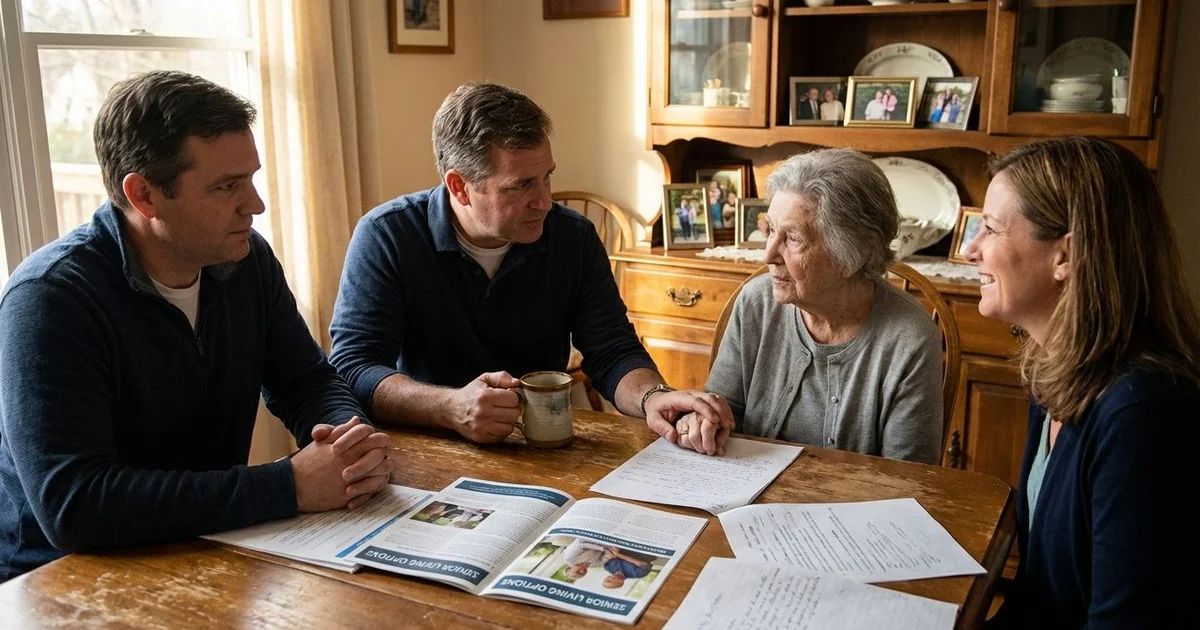
Memory Care Explained: What Families Need to Know Before Choosing a Facility
Comprehensive guide to memory care facilities covering what to expect, questions to ask, costs.

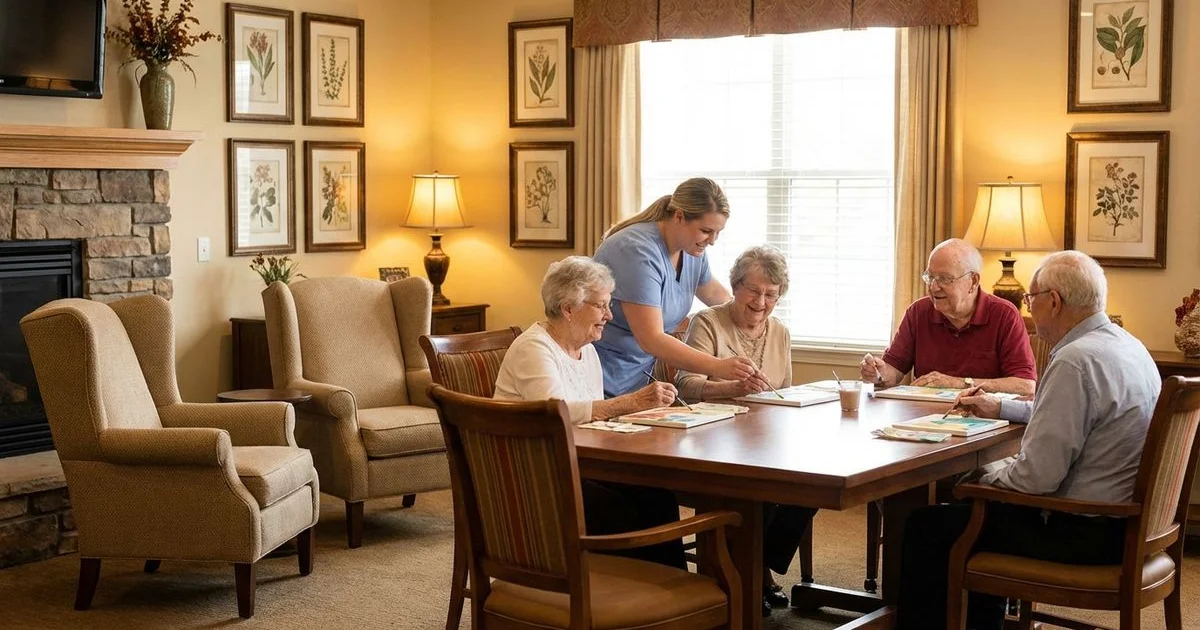
Based on the last five years of supporting families through transition planning, we have seen that moving a loved one to memory care is rarely a snap decision.
It is usually the result of months, if not years, of gradual changes and difficult adjustments.
We know the emotional toll this process takes on adult children and spouses.
Navigating the financial and logistical realities often feels overwhelming without a clear roadmap.
We want to help you understand exactly what to look for so you can move forward with confidence.
Most guides offer generic advice, but we are going to break down the specific operational details, 2026 cost projections, and safety protocols that actually matter.
Let’s look at the data, what it means for your family, and how to find a facility that provides genuine quality of life.
What Exactly Is Memory Care?
Memory care is a distinct form of long-term residential care engineered specifically for individuals with Alzheimer’s disease, Lewy body dementia, and frontotemporal disorders.
We often explain to clients that while assisted living focuses on independence, memory care focuses on safety and structured engagement.
Standard assisted living facilities generally cannot provide the environmental security or the specialized staffing ratios required for progressive cognitive decline.
We see many families attempt to bridge this gap at home using smart home monitoring and wandering alarms.
Technology can certainly extend the time a loved one can stay in their own residence safely.
We find that as the disease progresses to the middle stages, the need for 24-hour awake staff and a secured perimeter becomes non-negotiable.
This guide details the specific operational differences, current 2026 pricing models, and the evaluation criteria you need to make an informed choice.
Memory Care vs. Assisted Living: Key Differences
The operational gap between a standard assisted living community and a dedicated memory care unit is substantial.
We advise families to look past the lobby furniture and focus on the security infrastructure and staffing certifications.
The following table breaks down the quantifiable differences you should expect to see.
| Feature | Standard Assisted Living | Memory Care |
|---|---|---|
| Security Infrastructure | Standard locks, sign-out sheets | Delayed-egress doors, WanderGuard systems, enclosed courtyards |
| Staff Credentials | General elder care (CNA) | Certified Dementia Practitioner (CDP) or state-mandated equivalent |
| Staff-to-Resident Ratio | 1:8 to 1:15 (Day) | 1:4 to 1:8 (Day) |
| Daily Structure | Flexible schedule | ”Fail-free” structured routines to reduce anxiety |
| Therapeutic Focus | Social recreation (Bingo, movies) | Neuro-cognitive therapies (Music & Memory, iN2L technology) |
| Dining Environment | Restaurant-style with choices | Adaptive dining, contrast tableware, hydration stations |
| 2026 Cost Estimate | $4,500 - $7,500 monthly | $6,000 - $12,000 monthly |
We emphasize these distinctions because placing a parent with wandering tendencies in a standard facility often leads to an eviction notice within the first 60 days.
Higher costs in memory care fund the specialized labor and technology required to keep residents safe without using physical restraints.
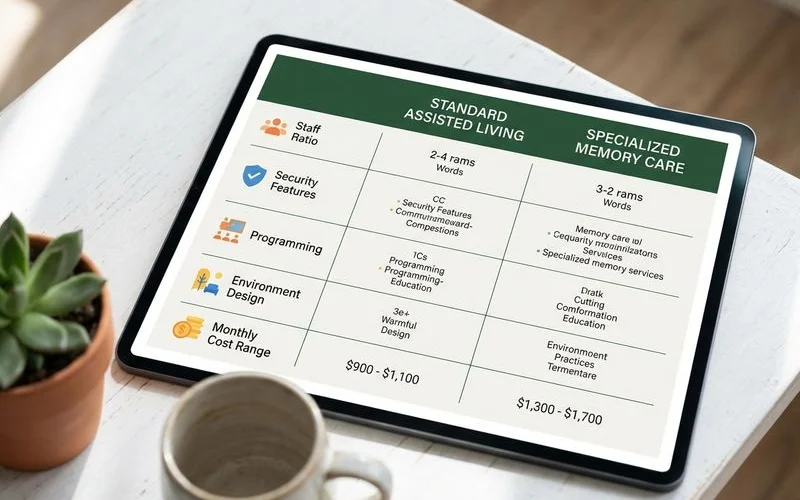 Understanding the key differences between assisted living and memory care helps families choose appropriately
When Is Memory Care Needed?
Recognizing the precise moment to move from home care to a facility is one of the hardest challenges families face.
We typically recommend initiating the search when you observe specific safety thresholds being crossed.
Wandering Has Become a Safety Risk
Elopement is a life-threatening emergency that can happen in the blink of an eye.
We know that 60% of people with dementia will wander, and if they are not found within 24 hours, the risk of serious injury or death rises dramatically.
Modern memory care facilities utilize technologies like SafelyYou, which uses AI-enabled video to detect fall risks and exit-seeking behaviors without compromising privacy.
If your loved one has triggered door alarms or has been returned home by police or neighbors, the home environment is likely no longer secure enough.
Aggressive or Agitated Behavior Is Escalating
Personality changes are a neurological symptom of the disease, not a choice by your loved one.
We often see caregivers suffering from burnout or physical injury due to hitting, biting, or resistance during bathing.
Professional memory care staff are trained in methods like Teepa Snow’s “Positive Approach to Care,” which focuses on de-escalation and changing the caregiver’s reaction rather than forcing the resident to comply.
These professionals understand how to redirect a resident during a moment of high anxiety without causing further distress.
Nighttime Disturbances Are Constant
Sundowning can disrupt the sleep capability of an entire household.
We find that when a primary caregiver is sleep-deprived, their ability to provide safe care during the day drops significantly.
Memory care communities have “awake staff” overnight who are trained to engage with sleepless residents using calming techniques rather than medication.
Daily Activities Require Total Assistance
The physical demand of transferring an adult from bed to chair or assisting with toileting is significant.
We use the “Activity of Daily Living (ADL) Score” to help families assess this; if a loved one needs help with 3 or more ADLs (bathing, dressing, toileting, transfer, eating), professional care is usually required.
What to Expect Inside a Memory Care Facility
Top-tier memory care communities in the US use environmental psychology to reduce resident stress.
We look for facilities that have moved away from the “hospital” feel and toward a supportive residential design.
Physical Environment
The layout of a building can drastically affect a resident’s anxiety levels.
We specifically check for these evidence-based design elements during our site visits:
- Circadian Lighting Systems: Advanced lighting (like Ketra) that changes color temperature throughout the day to help regulate sleep-wake cycles.
- Wayfinding Cues: Unique “memory boxes” or photos outside resident doors to help them identify their own room.
- Camouflaged Exits: Doors painted to match the walls or covered with murals to reduce exit-seeking behavior.
- Safe Looping Paths: Hallways that circle back to common areas so a walking resident never hits a frustrating dead end.
- Contrast Design: Toilets that contrast with the floor and plates that contrast with the table, as dementia affects depth perception and contrast sensitivity.
Therapeutic Programming
Effective activities are about purpose and connection, not just passing time.
We value programs that utilize valid therapeutic methodologies:
- Music & Memory: A certified program that uses personalized playlists on iPods to unlock memories in residents who may be non-verbal.
- Montessori for Dementia: This approach gives residents meaningful “jobs” (like folding towels or sorting silverware) to provide a sense of contribution.
- Snoezelen Rooms: Multi-sensory environments featuring fiber optics, aromatherapy, and soothing sounds to reduce agitation without drugs.
- Reminiscence Therapy: Structured discussions using props from the 1950s, 60s, or 70s to spark long-term memory recall.
Nutrition and Dining
Weight loss is a common issue in dementia, so dining programs must be robust.
We look for “finger food” menus that allow residents to eat independently even after they lose the ability to use a fork.
- The MIND Diet: Menus focusing on berries, leafy greens, and nuts, which clinical studies suggest may support brain health.
- Hydration Stations: Visible juice and water stations placed along walking paths to prevent dehydration.
- Adaptive Utensils: Tools like Liftware that stabilize tremors or have large grips for easier handling.
Memory Care Costs in 2026
Financial planning for memory care requires looking at current rates and projected annual increases.
We analyze market data to provide realistic ranges, noting that costs in coastal cities like Boston or San Francisco will be significantly higher than the national median.
| Cost Component | Monthly Range (US Avg) | Annual Range |
|---|---|---|
| Base Rent & Care | $6,000 - $12,000 | $72,000 - $144,000 |
| Level of Care Fees | $500 - $2,000 | $6,000 - $24,000 |
| Incontinence Supplies | $250 - $400 | $3,000 - $4,800 |
| Medication Management | $300 - $600 | $3,600 - $7,200 |
| Community Fee (One-time) | $3,000 - $8,000 | (One-time fee) |
| Total Typical Cost | $7,050 - $15,000 | $84,600 - $180,000 |
The 2026 national median for a private studio in memory care is tracking toward $8,200 per month.
We advise clients to budget for a 3-5% annual rate increase, which is standard across the industry to cover rising labor and insurance costs.
Paying for Memory Care
Most families use a “portfolio approach” to cover these expenses.
We help clients identify multiple funding streams to ensure long-term solvency:
- VA Aid & Attendance: For 2025/2026, this benefit can provide over $2,300 monthly for a single veteran and over $2,700 for a surviving spouse to help pay for care.
- Bridge Loans: Financial products like those from Elderlife Financial designed to pay the facility rent while you wait for a home to sell or VA benefits to kick in.
- Long-Term Care Insurance: Policies with inflation riders are the gold standard, but you must trigger the claim as soon as ADL requirements are met.
- Medicaid Waivers: While Medicaid pays for nursing homes, many states have HCBS (Home and Community Based Services) waivers that pay a portion of memory care, though “room and board” is often still out-of-pocket.
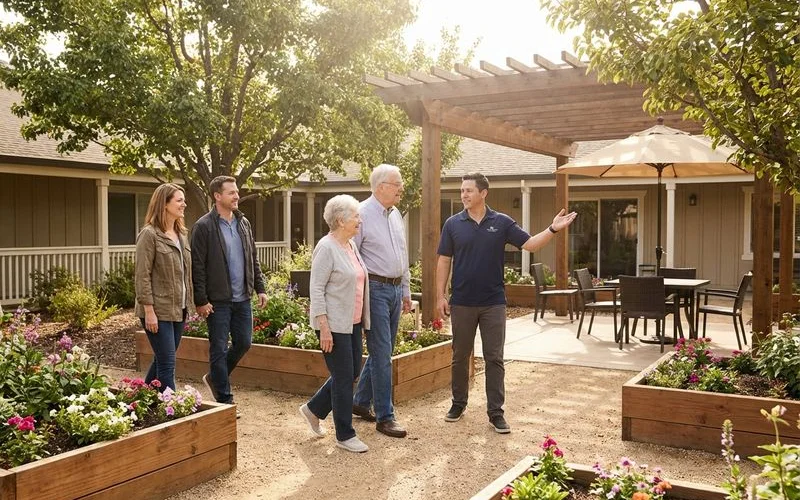 Touring facilities in person is essential for evaluating the quality of care and environment
20 Questions to Ask When Touring Memory Care Facilities
A shiny lobby does not equal quality care.
We suggest using this checklist to dig deeper into the facility’s operations and culture during your tour.
Staffing and Medical Care
- What is the specific ratio of awake staff to residents at 2:00 AM?
- Does your facility have a 24/7 on-site nurse (LPN/RN), or are they only on-call?
- What specific dementia certification (like CDP) do your floor staff hold?
- Do you use third-party agency staff, and if so, what percentage of shifts do they cover?
- What is your specific protocol for reducing the use of psychotropic (anti-psychotic) medications?
- How do you handle medical emergencies? Do you call 911 immediately or assess first?
Safety and Environment
- How frequently do you conduct elopement (missing resident) drills with the staff?
- Are the outdoor areas secured with delayed-egress maglocks or physical fences?
- Can residents control the temperature in their own rooms?
- Does the bathroom design include high-contrast toilet seats and grab bars?
- Is there a video monitoring system in common areas?
Daily Life and Policies
- Can you show me the current month’s activity calendar, and which of these are therapeutic vs. entertainment?
- How do you accommodate special diets like pureed food or the MIND diet?
- What is your policy if a resident becomes aggressive with staff or other residents?
- Do you handle incontinence care with a scheduled toileting program?
- Can we visit at any time, or are there restricted visiting hours?
Financials and Contracts
- What is the history of your rate increases over the last three years?
- Is the “Level of Care” fee fixed, or does it change based on a points system?
- What is the policy for refunds if a resident passes away early in the month?
- Under what specific medical conditions would you be forced to evict a resident?
Pro Tip: Ask to see the facility’s most recent state survey or inspection report. In the US, facilities are required to make this available. Look for “deficiencies” related to medication errors or staffing shortages.
Planning Ahead: Steps to Take Now
Waiting until a fall or a medical crisis occurs forces you into a reactive position where options are limited.
We encourage you to take these proactive steps while you still have the luxury of time.
- Research Options Early: Use resources like our senior care directory to identify licensed facilities in your preferred zip codes.
- Consult an Elder Law Attorney: You must have a Durable Power of Attorney and potentially a Special Needs Trust in place before cognitive decline worsens.
- Organize Financial Records: Gather DD-214s (for veterans), life insurance policies, and deed documents to assess your liquidity.
- Visit During “Off” Hours: Return to your top choices on a weekend or during dinner to see the true staffing levels and noise volume.
- Secure Your Spot: Good facilities often have waitlists of 6 to 12 months; placing a refundable deposit now can save you from a crisis later.
Memory care is a strategic decision to provide a loved one with the safety and dignity they deserve.
We know that with the right environment, individuals with dementia can experience moments of joy, connection, and peace.
By focusing on specialized design, verified staffing ratios, and financial sustainability, you are advocating for their best possible future.
Ready to Take Action?
Learn more about our comprehensive senior care directory solutions and how they can help your family.
Explore Senior Care Directory About James Wilson
Home Safety Assessment Specialist
Certified home safety specialist with 10+ years of residential accessibility evaluation experience.