Home Medical Equipment Guide 2026: What Seniors Need to Age in Place Safely
Complete guide to durable medical equipment for seniors including mobility aids, bathroom safety devices, monitoring systems, and how to get Medicare coverage.


What Is Home Medical Equipment and Why Does It Matter?
Home medical equipment refers to the broad category of devices, tools, and supplies that allow seniors to manage health conditions and maintain independence within their own homes. This category includes everything from simple grab bars to complex respiratory machines. The formal term used by Medicare is durable medical equipment (DME), which specifically covers items that are reusable, medically necessary, and prescribed by a physician.
We consider the right home medical equipment to be the foundation of any successful aging in place strategy. The National Council on Aging reports that over 90% of adults aged 65 and older want to remain in their homes as they get older. Yet the home environment presents real physical challenges as mobility, balance, and strength decline with age.
The difference between a safe home and a dangerous one often comes down to a few key pieces of equipment. A properly installed bathroom grab bar can prevent the fall that leads to a hip fracture. A well-fitted walker can restore the confidence to move around the kitchen independently. These are not luxury items. They are essential tools that directly impact quality of life and long-term health outcomes.
Key Fact: The CDC estimates that 3 million older adults are treated in emergency departments for fall injuries every year. The right home medical equipment can significantly reduce this risk by addressing the environmental hazards that cause most falls.
Essential Categories of Home Medical Equipment
We organize home healthcare equipment into six functional categories. Each category addresses a specific set of challenges that seniors face when aging in place. Understanding these categories helps families prioritize purchases based on their loved one's current needs and anticipated future requirements.
Mobility Aids
Mobility aids are typically the first type of assistive device a senior will need. These range from simple canes to powered wheelchairs. The goal is always the same: maintain safe, independent movement throughout the home and community.
- Standard Walkers: Best for seniors who need maximum stability. These lightweight aluminum frames require the user to lift and place them with each step. They work best on flat, indoor surfaces.
- Rollators: Four-wheeled walkers with hand brakes, a seat, and a storage pouch. We recommend rollators for seniors who can walk moderate distances but need a place to rest. They are the most popular mobility aid we see in 2026.
- Wheelchairs: Manual wheelchairs range from basic transport chairs (pushed by a caregiver) to self-propelled models. Manufacturers like Sunrise Medical and Drive Medical offer lightweight options under 30 pounds that fit through standard 32-inch doorways.
- Power Mobility: Electric wheelchairs and scooters are appropriate when upper body strength is limited. Medicare will cover a power wheelchair if a physician documents that the patient cannot operate a manual chair.
Bathroom Safety Equipment
The bathroom is statistically the most dangerous room in the home for older adults. Wet surfaces, hard edges, and the physical demands of bathing and toileting create a perfect storm for injuries. We prioritize this room in every home safety assessment we conduct.
- Grab Bars: Stainless steel or chrome bars mounted to wall studs near the toilet, shower, and tub. Our grab bar installation guide covers proper placement in detail. These are the single most cost-effective safety investment a family can make.
- Shower Chairs and Transfer Benches: Allow the senior to sit while bathing. Transfer benches extend over the tub wall so the user can slide in rather than step over the edge.
- Raised Toilet Seats: These add 2 to 6 inches of height, reducing the distance the user must lower themselves. Models with armrests provide additional leverage. See our raised toilet seat comparison for detailed options.
- Non-Slip Mats and Strips: Applied to tub and shower floors. While inexpensive, these should be replaced annually as the adhesive degrades.
Bedroom and Sleep Equipment
Getting in and out of bed is a daily challenge for many seniors, especially after surgery or with conditions like arthritis and Parkinson's disease. The right bedroom equipment prevents falls during the most vulnerable transition of the day.
- Hospital Beds for Home Use: Adjustable electric beds allow the head and foot sections to be raised independently. Semi-electric models (electric head and foot adjustment, manual height adjustment) are the most commonly covered by Medicare.
- Bed Rails: Half-length bed rails help seniors pull themselves to a sitting position and provide a barrier to prevent rolling out of bed. Our bed rails safety guide covers proper selection and installation.
- Over-Bed Tables: Adjustable tables that roll over the bed surface, useful for meals, reading, or managing medications while in bed.
- Patient Lifts and Transfer Devices: Hoyer lifts and sit-to-stand lifts are used when a caregiver cannot safely assist with transfers manually. These are often covered by Medicare when prescribed.
Respiratory and Monitoring Equipment
Chronic conditions like COPD, sleep apnea, diabetes, and hypertension require ongoing monitoring. Home medical equipment allows seniors to manage these conditions without constant hospital or clinic visits.
- CPAP and BiPAP Machines: Prescribed for obstructive sleep apnea. Medicare covers these devices after a qualifying sleep study. Compliance monitoring is required for the first 90 days.
- Home Oxygen Equipment: Portable concentrators, stationary concentrators, and compressed oxygen tanks. The physician must document a blood oxygen saturation below specific thresholds for Medicare to approve coverage.
- Blood Pressure Monitors: Automatic upper-arm monitors are now the standard for home use. We recommend models validated by the Association for the Advancement of Medical Instrumentation for accuracy.
- Glucose Meters: Essential for diabetic seniors. Modern continuous glucose monitors (CGMs) provide real-time readings and can alert caregivers to dangerous fluctuations.
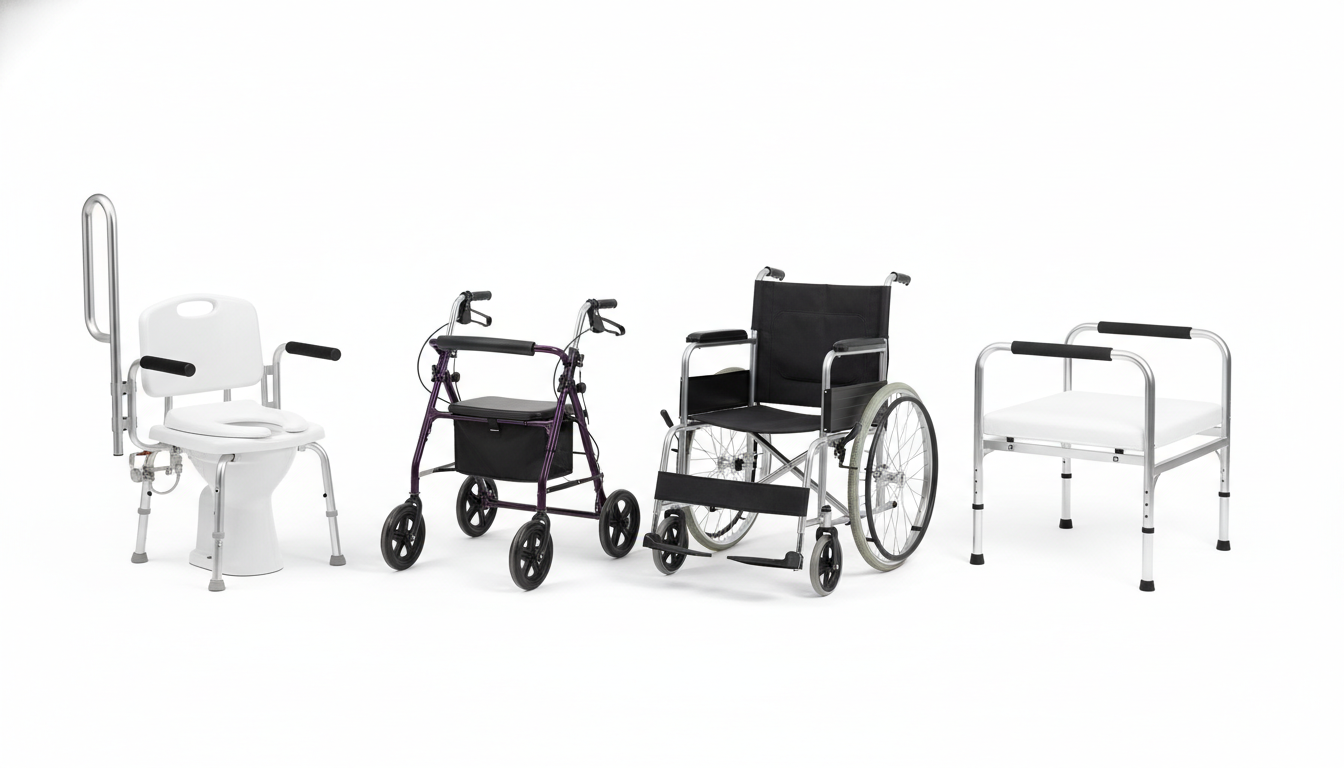 Essential categories of home medical equipment — from mobility aids to bathroom safety devices
Medication Management Devices
Medication errors are a leading cause of hospitalization among older adults. The average senior takes between 4 and 5 prescription medications daily. Managing this regimen correctly requires more than memory alone.
- Automatic Pill Dispensers: Devices like the Hero dispenser or MedMinder pre-load a week or month of medications and dispense the correct dose at the correct time. Audible alarms and caregiver notifications make missed doses much less likely.
- Weekly Pill Organizers: Simple and effective. The AM/PM seven-day organizer remains one of the most practical tools for seniors who can manage their own medications with a visual reminder system.
- Medication Tracking Apps: Smartphone applications like Medisafe sync with caregiver accounts. However, we note that many seniors still prefer a physical device over a digital solution.
Personal Emergency Response Systems
A medical alert system connects seniors to emergency help with the press of a button. These systems are a critical part of the home medical equipment ecosystem and we cover them in depth in our dedicated comparison guide.
The key features to look for in 2026 include automatic fall detection, GPS tracking for mobile use, and caregiver notification apps. Monthly monitoring fees typically range from $20 to $50 depending on the plan tier and features selected.
Home Medical Equipment Comparison by Category
We have compiled the most common equipment items, their typical price ranges, and Medicare coverage status to help families plan their purchases.
| Equipment | Price Range | Medicare Covered | Typical Lifespan | Best For |
|---|---|---|---|---|
| Rollator Walker | $60 - $350 | Yes (with Rx) | 3 - 5 years | Active seniors needing rest stops |
| Manual Wheelchair | $150 - $500 | Yes (with Rx) | 5 - 7 years | Limited mobility, indoor/outdoor |
| Grab Bars (pair) | $20 - $80 | No | 10+ years | Bathroom fall prevention |
| Shower Chair | $30 - $150 | No | 3 - 5 years | Seated bathing safety |
| Raised Toilet Seat | $25 - $100 | No | 2 - 4 years | Knee/hip issues, post-surgery |
| Hospital Bed (Semi-Electric) | $500 - $2,000 | Yes (with Rx) | 5 - 10 years | Chronic illness, post-surgery |
| Bed Rails | $30 - $200 | Only with hospital bed | 5+ years | Transfer assistance, fall prevention |
| CPAP Machine | $200 - $800 | Yes (with sleep study) | 3 - 5 years | Sleep apnea management |
| Automatic Pill Dispenser | $50 - $100/mo | No | 3 - 5 years | Complex medication regimens |
| Medical Alert System | $20 - $50/mo | No | Ongoing subscription | Emergency response for all seniors |
How to Get Medicare Coverage for Durable Medical Equipment
Medicare Part B covers durable medical equipment when specific criteria are met. Understanding the process is essential because the out-of-pocket cost difference between a covered and uncovered item can be substantial. A power wheelchair, for example, can cost $2,000 to $15,000 without coverage.
Medicare DME Requirements
For Medicare to cover an item, it must meet all four of these criteria:
- Durability: The item must withstand repeated use. Disposable supplies like incontinence products are generally not classified as DME (though some are covered under separate benefit categories).
- Medical Necessity: A physician must prescribe the item with a documented medical reason. A letter stating "patient needs a wheelchair for mobility" is usually not sufficient. The documentation must explain why the patient cannot ambulate safely without the device.
- Home Use: The primary use of the equipment must be in the patient's home. A scooter intended primarily for shopping is less likely to be approved than one needed to navigate within the house.
- Prescribed by a Doctor: The treating physician must write a detailed prescription. For high-cost items like power wheelchairs and hospital beds, a face-to-face evaluation is required.
The DME Approval Process Step by Step
- Schedule a face-to-face evaluation with your physician
- The physician documents the medical necessity in your medical record
- Obtain a written prescription (also called a Certificate of Medical Necessity)
- Choose a Medicare-approved DME supplier (search at medicare.gov)
- The supplier submits the claim to Medicare on your behalf
- Medicare typically covers 80% of the approved amount after your Part B deductible
Important: Always use a Medicare-enrolled DME supplier. If you purchase from a non-enrolled vendor, Medicare will not reimburse the expense regardless of the medical documentation. You can verify suppliers through the Medicare home modification coverage guide.
Items Medicare Typically Covers
| Covered DME | Your Cost (after deductible) | Notes |
|---|---|---|
| Walkers and rollators | 20% of approved amount | Prescription required |
| Manual wheelchairs | 20% of approved amount | Face-to-face evaluation for power chairs |
| Hospital beds | 20% of approved amount | Must document need for positioning |
| CPAP machines | 20% of approved amount | Sleep study required; compliance monitoring |
| Oxygen equipment | 20% of approved amount | Blood oxygen tests required |
| Diabetic supplies | 20% of approved amount | Meters, strips, lancets covered |
 Bathroom safety equipment like grab bars and shower chairs are among the most impactful home modifications for seniors
How to Choose the Right Home Medical Equipment
Selecting equipment is not a one-size-fits-all decision. We use a structured approach with every family we advise. Here are the factors we evaluate in order of priority.
Assess Current and Future Needs
We always encourage families to think 12 to 24 months ahead. A senior recovering from a hip replacement may need a walker now but could progress to a cane within six months. Conversely, a progressive condition like Parkinson's disease means equipment needs will increase over time.
Start with a room-by-room home safety assessment. Our DIY home safety assessment guide walks you through every room and identifies specific equipment needs.
Prioritize the Bathroom and Bedroom
Our experience consistently shows that the bathroom and bedroom are where the most critical equipment is needed first. Falls in these rooms account for the majority of in-home senior injuries. Install grab bars, a shower chair, and a raised toilet seat before investing in more expensive items.
Test Before You Buy
We strongly recommend visiting a local durable medical equipment store to test items in person. Sit in the wheelchair. Walk with the rollator. Grip the grab bar. Weight capacity, handle height, and seat width all vary between models. An uncomfortable device is a device that will not be used.
Consider the Caregiver
Equipment should make life easier for both the senior and their caregiver. A patient lift reduces back injuries for family caregivers. A shower chair eliminates the need for the caregiver to physically support the person during bathing. Factor in the caregiver's physical capabilities when choosing equipment.
Top Home Medical Equipment Brands in 2026
We have worked with equipment from every major manufacturer. These are the brands we consistently recommend based on durability, customer service, and value.
| Brand | Best Known For | Price Range | Our Rating |
|---|---|---|---|
| Drive Medical | Walkers, rollators, wheelchairs | Budget to Mid | Excellent value |
| Invacare | Power wheelchairs, hospital beds | Mid to Premium | Industry standard |
| Medline | Bathroom safety, daily living aids | Budget to Mid | Wide selection |
| Carex | Grab bars, raised toilet seats | Budget | Great for basics |
| Sunrise Medical | Premium wheelchairs (Quickie line) | Premium | Best-in-class fit |
Complete Aging in Place Equipment Checklist
Use this room-by-room checklist to evaluate your home. We organize this by priority level based on the frequency and severity of incidents we see in each area.
Bathroom (High Priority)
- Grab bars installed near toilet and in shower/tub area
- Non-slip mats or adhesive strips in tub and on bathroom floor
- Shower chair or transfer bench
- Raised toilet seat (with armrests if needed)
- Handheld shower head on adjustable slide bar
Bedroom (High Priority)
- Bed rail or safety handle for transfer assistance
- Bedside commode (if nighttime bathroom trips are risky)
- Motion-activated night lights along the path to the bathroom
- Over-bed table for medication and personal items
Living Areas (Medium Priority)
- Lift chair or recliner with powered lift assist
- Removal of loose rugs and tripping hazards
- Adequate lighting in all walkways
- Cordless phone or smart home monitoring devices within reach
Entryway (Medium Priority)
- Wheelchair ramp if there are steps (see our ramps and accessibility guide)
- Handrails on both sides of any steps
- Motion-activated outdoor lighting
- Lever-style door handles (easier to grip than round knobs)
Kitchen (Lower Priority)
- Reachable storage (lower shelves or pull-down shelf organizers)
- Automatic stove shut-off device
- Non-slip floor mats near sink
- Lightweight pots and adaptive utensils if grip strength is reduced
Where to Buy Home Medical Equipment
Families have several purchasing options, each with different advantages. We outline the most common channels and when each makes the most sense.
Medicare-Approved DME Suppliers
If you plan to use Medicare benefits, you must purchase from an enrolled supplier. The Medicare Supplier Directory at medicare.gov lists approved vendors by zip code. These suppliers handle the insurance paperwork and typically offer equipment setup and instruction.
Online Retailers
Amazon, Walmart, and specialty sites like SpinLife and Rehabmart offer competitive pricing and home delivery. Online shopping is best for standard items like grab bars, shower chairs, and basic walkers. For complex equipment like wheelchairs or hospital beds, we recommend in-person fitting.
Equipment Rental
Renting makes financial sense for temporary needs. After a knee replacement, for example, you may only need a wheelchair for 6 to 8 weeks. Many DME suppliers offer rental programs, and Medicare covers rental of certain items like hospital beds and wheelchairs.
Charitable and Free Options
Several organizations provide free or low-cost medical equipment to seniors in need:
- Area Agency on Aging: Many local agencies maintain equipment lending closets
- Lions Clubs: Often provide mobility aids and vision equipment
- State Assistive Technology Programs: Every state has a federally funded AT program that includes equipment lending
- Veterans Affairs: VA beneficiaries receive DME at no cost through the VA healthcare system
For more funding options, see our financial assistance for senior home modifications guide.
Maintaining and Caring for Home Medical Equipment
Proper maintenance extends the life of medical equipment and ensures it functions safely. We advise families to follow these basic maintenance routines.
- Weekly: Wipe down surfaces with mild soap and water. Check wheelchair tire pressure. Inspect grab bar mounting screws for looseness.
- Monthly: Test battery backup on hospital beds and alert systems. Lubricate wheelchair axles. Clean CPAP masks and tubing with vinegar solution.
- Quarterly: Inspect walker and rollator rubber tips for wear. Replace shower chair rubber feet if worn. Check bed rail latches for secure engagement.
- Annually: Schedule professional servicing for power wheelchairs and hospital beds. Replace non-slip mats and adhesive strips. Update fall prevention assessments.
Keep all equipment manuals and warranty information in a single folder. Many Medicare-covered items include a warranty period during which repairs and replacements are covered at no additional cost.
Getting Started
The first step is identifying what your loved one needs right now. We recommend beginning with a professional home safety assessment or our DIY assessment guide. This assessment reveals the specific hazards in the home and produces a prioritized list of recommended equipment.
Start small and build up. Install grab bars and non-slip mats in the bathroom this week. Order a shower chair and raised toilet seat. These basic items cost under $200 total and deliver the highest safety return on investment. From there, work through the aging in place checklist above, addressing high-priority areas before moving to lower-priority upgrades.
Remember that needs will change over time. Revisit the assessment every six months or after any health event like a fall, surgery, or new diagnosis. The right equipment at the right time makes aging in place not just possible, but comfortable and dignified.
Ready to Take Action?
Start with a professional home safety assessment to identify exactly which equipment your loved one needs. Our comprehensive guide walks you through every room.
Explore Home Safety Assessments About Margaret Chen
Certified Aging-in-Place Specialist & Senior Care Advisor
CAPS-certified senior care advisor with 15+ years helping families plan for safe aging at home. Margaret specializes in home medical equipment selection and Medicare DME coverage guidance.
Related Articles
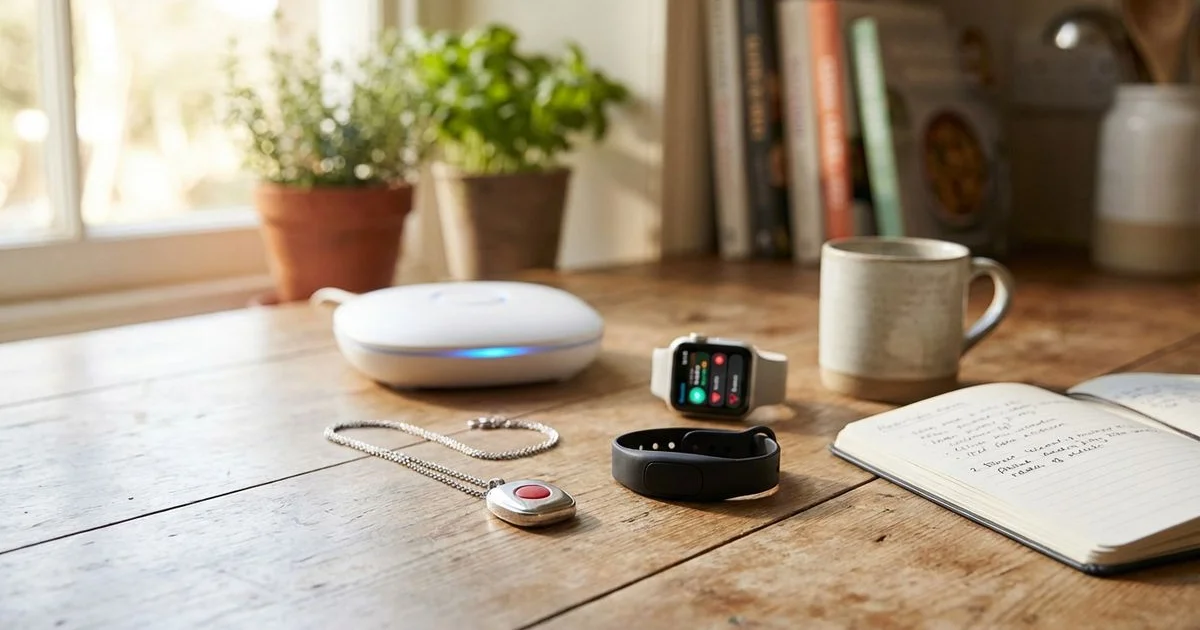
Best Medical Alert Systems for Seniors in 2026: Expert Comparison
In-depth comparison of top medical alert systems including fall detection, GPS tracking, and 24/7 monitoring features.
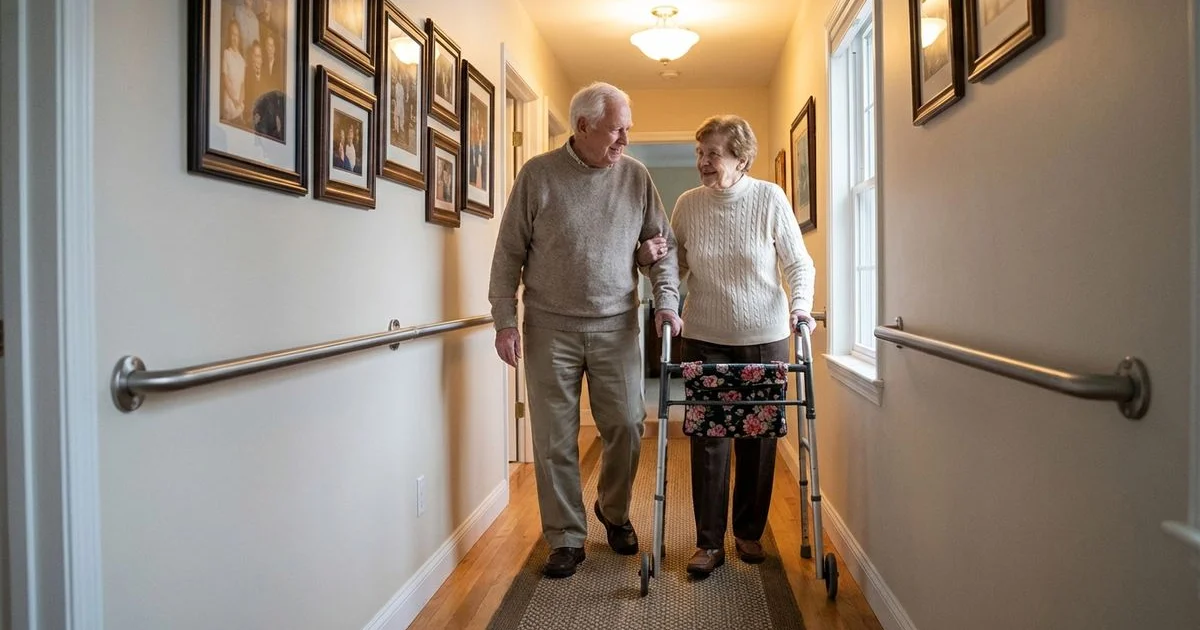
Fall Prevention for Seniors: Complete Home Safety Guide
Evidence-based strategies to prevent falls at home including exercises, home modifications, and safety equipment recommendations.
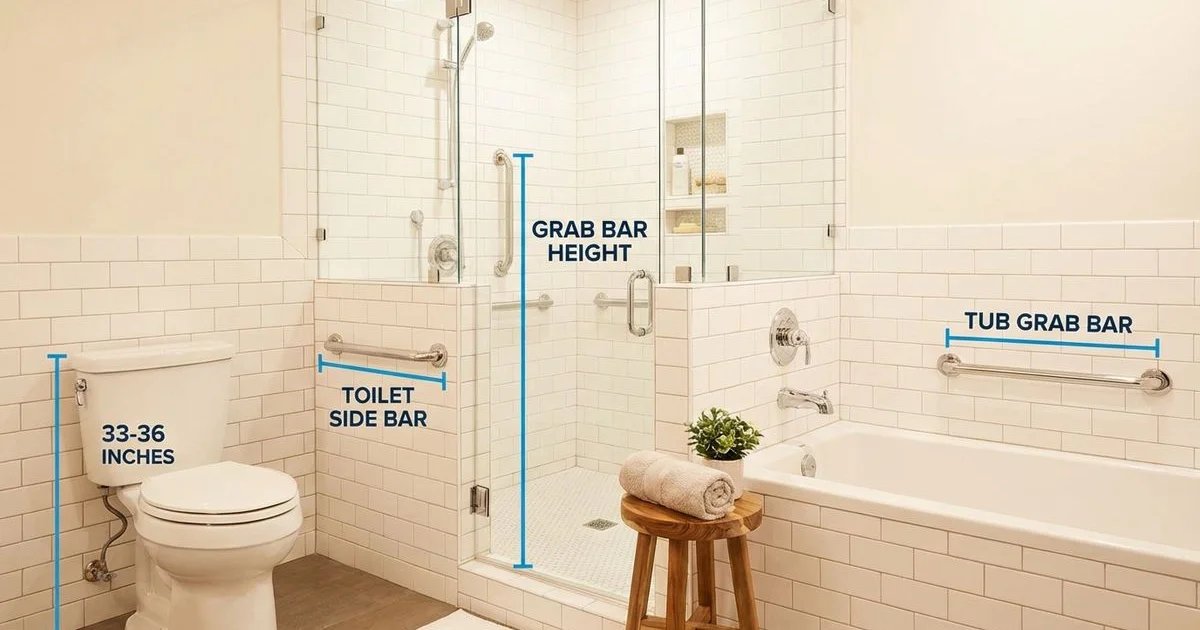
Grab Bar Installation Guide: Where and How to Install Safely
Step-by-step guide to installing grab bars in bathrooms including proper placement, stud finding, and ADA recommendations.