Comfort Height Toilet Guide 2026: Best Options for Seniors and Aging in Place
Everything you need to know about comfort height toilets including dimensions, ADA requirements, top brands, costs, and whether a raised toilet seat is a better option.

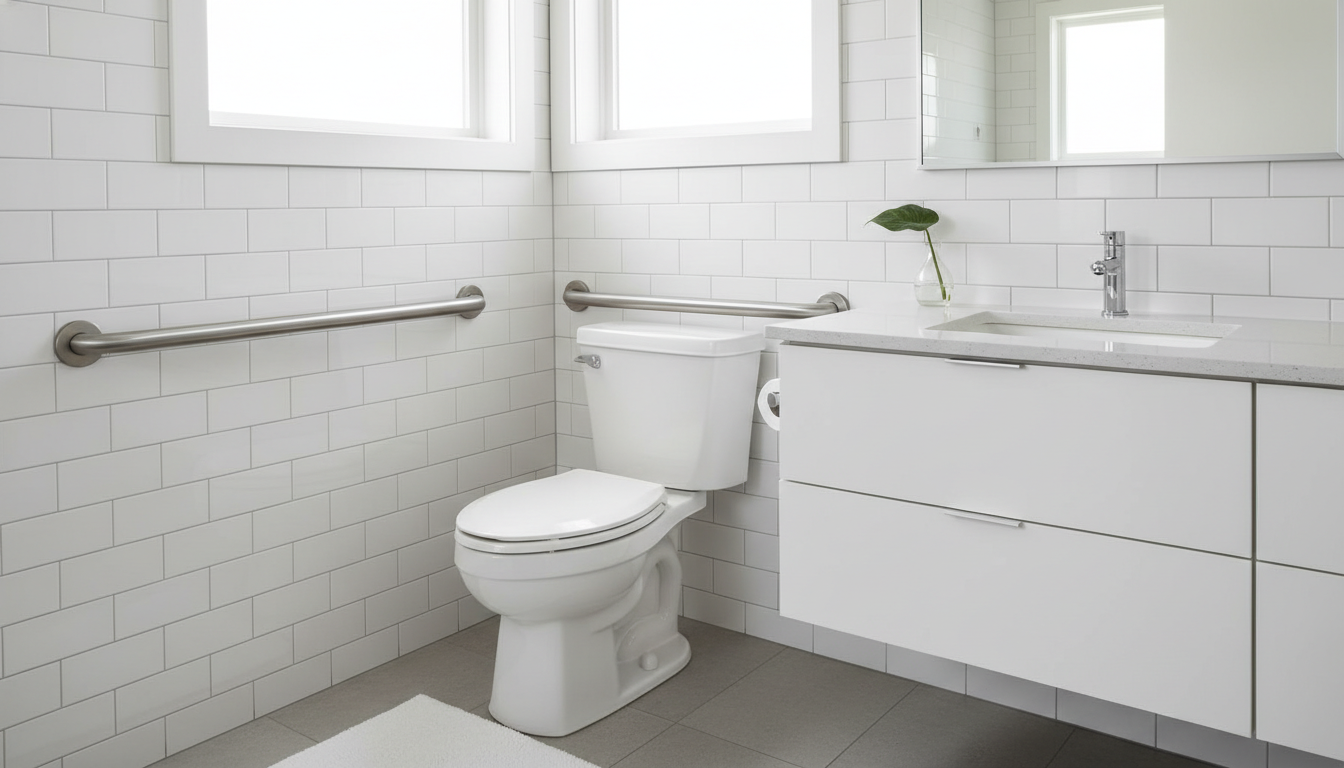
What Is a Comfort Height Toilet?
A comfort height toilet is a toilet with a seat height between 17 and 19 inches from the floor, compared to the standard toilet height of 14 to 15 inches. The term "comfort height" was originally trademarked by Kohler, but the industry now uses it generically alongside other names like "chair height," "right height," "universal height," and "ADA compliant" to describe any toilet that sits at or near typical chair seat level.
The reason this height matters is biomechanical. When you sit on a standard 15-inch toilet, your knees bend at a sharp angle that places significant stress on the quadriceps, hip flexors, and knee joints. Standing back up from that deep squat requires substantial lower-body strength. For seniors with arthritis, individuals recovering from hip or knee replacement surgery, and anyone with chronic back pain, this movement can be painful, difficult, or dangerous.
A comfort height toilet positions the user at approximately the same height as a standard dining chair. The knees bend at a more natural angle. The effort required to sit and stand is reduced by an estimated 30% to 40% according to occupational therapy assessments we have reviewed. This single change can be the difference between independent toileting and needing caregiver assistance.
Key Dimension: The ADA Standards for Accessible Design require toilet seat heights between 17 and 19 inches measured from the finished floor to the top of the seat. Any toilet within this range qualifies as ADA compliant, though most comfort height toilets measure 16.5 to 17 inches at the bowl rim, reaching 17 to 18.5 inches with the seat installed.
Standard vs Comfort Height Toilet: Key Differences
We compare the two toilet heights across every dimension that matters for aging in place decisions.
| Feature | Standard Height | Comfort Height |
|---|---|---|
| Bowl Rim Height | 14 - 15 inches | 16 - 17 inches |
| With Seat | 15 - 16 inches | 17 - 19 inches |
| ADA Compliant | No | Yes |
| Best For | Children, shorter adults | Average to tall adults, seniors, post-surgery |
| Ease of Sitting/Standing | Requires deep squat | Chair-like motion, much easier |
| Knee Stress | Higher (sharper bend angle) | Lower (more natural angle) |
| Price Range | $100 - $400 | $150 - $600 |
| Availability | Being phased out by many brands | Now the default for most manufacturers |
An important trend we have observed: comfort height is becoming the new standard. Kohler, Toto, and American Standard now offer the majority of their residential lines in comfort height. Within the next few years, standard height toilets may become the specialty option rather than the default.
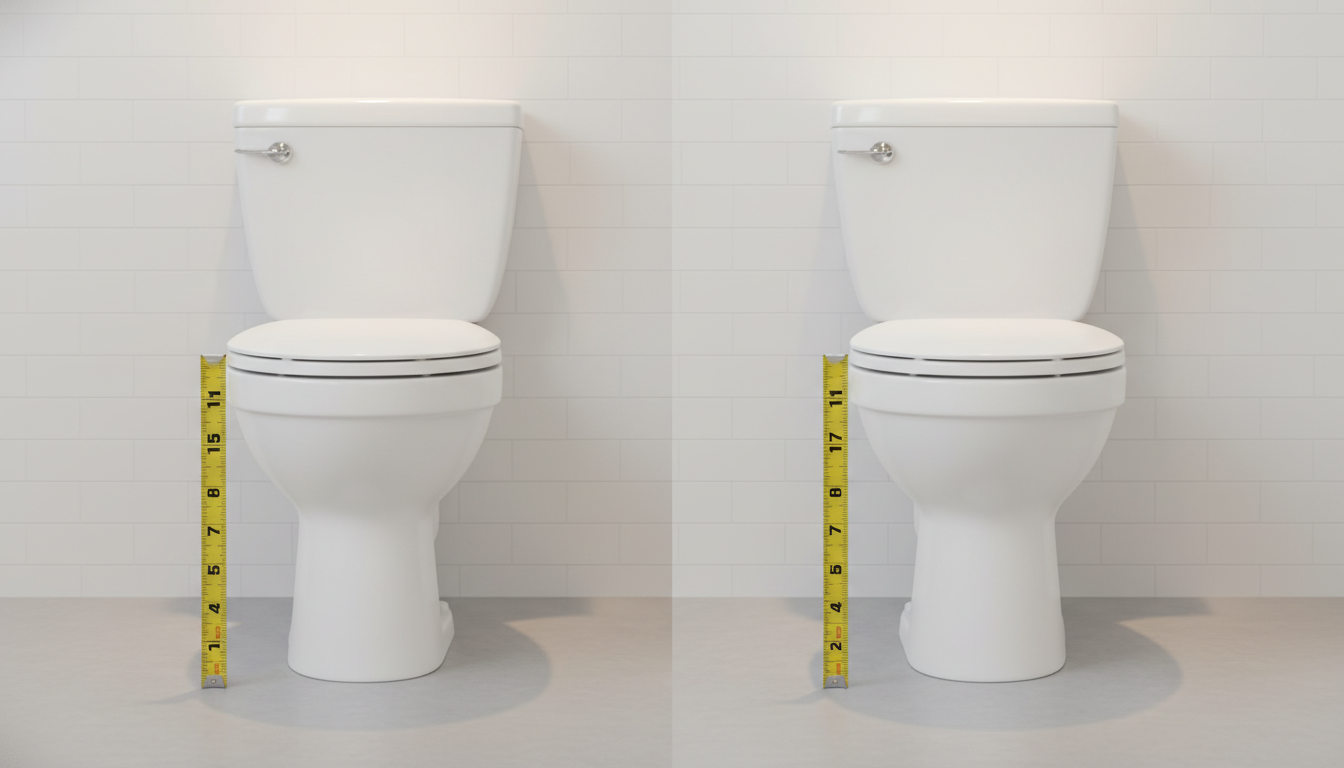 The 2 to 3-inch height difference between standard and comfort height toilets significantly reduces the effort needed to sit and stand
Who Benefits Most From a Comfort Height Toilet?
While comfort height toilets work well for most adults, certain groups benefit the most from the upgrade.
Seniors Aging in Place
Loss of lower-body strength is one of the most common age-related changes. The quadriceps muscles that power the sit-to-stand motion lose approximately 30% of their strength between age 50 and 70. A comfort height toilet compensates for this decline directly. We recommend it as a standard part of any bathroom accessibility upgrade.
Post-Surgery Patients
Orthopedic surgeons routinely require patients to avoid bending the hip past 90 degrees after hip replacement surgery. A standard 15-inch toilet makes this precaution nearly impossible to follow. A comfort height toilet or a raised toilet seat is typically listed as mandatory equipment before hospital discharge.
People With Arthritis, Back Pain, or Knee Issues
Osteoarthritis of the knees affects over 32 million American adults. The deep knee flexion required by a standard toilet aggravates joint inflammation and pain. A comfort height toilet keeps the knees at a gentler angle. For those with chronic lower back conditions, the reduced forward lean also decreases spinal compression during the sit-to-stand transition.
Taller Individuals
Adults over six feet tall often find standard toilets uncomfortably low regardless of age or health status. Comfort height toilets align better with longer leg proportions. Some manufacturers now offer "extra tall" models at 20 to 21 inches for very tall users.
Top Comfort Height Toilets for 2026
We have evaluated the leading models based on seat height, flush performance, water efficiency, ease of cleaning, and value. These are our top recommendations organized by use case.
| Model | Height (with seat) | Flush | GPF | Bowl Shape | Price | Best For |
|---|---|---|---|---|---|---|
| Kohler Highline | 16.5" bowl / ~18" seat | Class Five | 1.28 | Elongated | $250 - $350 | Best overall value |
| Toto Drake II | 16.5" bowl / ~17.75" seat | Tornado | 1.28 | Elongated | $300 - $450 | Best flush performance |
| Kohler Cimarron | 16.5" bowl / ~18" seat | AquaPiston | 1.28 | Elongated | $200 - $300 | Budget-friendly quality |
| Toto Ultramax II | 17.25" bowl / ~18.5" seat | Tornado | 1.28 | Elongated | $350 - $500 | One-piece, easy cleaning |
| American Standard Cadet PRO | 16.5" bowl / ~18" seat | PowerWash | 1.28 | Elongated or Round | $180 - $280 | Best budget option |
| Kohler Adair | 16.5" bowl / ~18" seat | AquaPiston | 1.28 | Elongated | $400 - $550 | Premium design aesthetic |
Elongated vs Round Bowl
Elongated bowls are 2 inches longer front-to-back than round bowls (approximately 18.5 inches vs 16.5 inches). We recommend elongated bowls for comfort height installations because the extra length provides a larger, more comfortable seating area and makes it easier for men to use the toilet without contact issues. However, round bowls are necessary in smaller bathrooms where the toilet sits close to the opposite wall or bathtub. Measure the available space carefully before deciding.
One-Piece vs Two-Piece
One-piece toilets (tank and bowl are a single unit) are easier to clean because there is no seam between the tank and bowl where grime accumulates. They also look sleeker. Two-piece toilets are lighter, less expensive, and easier to maneuver during installation. For aging in place bathrooms, we lean toward one-piece models for their low-maintenance advantage, but either style works well.
Raised Toilet Seat vs Replacing the Toilet: Which Is Better?
Families frequently ask whether they should replace the entire toilet or simply add a raised toilet seat to the existing one. Both approaches achieve the goal of increasing seat height, but they differ significantly in cost, permanence, and user experience.
| Factor | Raised Toilet Seat | New Comfort Height Toilet |
|---|---|---|
| Cost | $25 - $100 | $150 - $600 + installation |
| Installation | DIY, clips onto existing bowl | Professional plumber recommended |
| Height Added | 2 - 6 inches | 2 - 3 inches over standard |
| Stability | Can shift or wobble | Permanently fixed to floor |
| Cleaning | Must remove to clean underneath | Standard cleaning |
| Appearance | Looks like medical equipment | Looks like a normal toilet |
| Handles Available | Yes (many models include arms) | No (pair with grab bars) |
| Best For | Temporary needs, renters, tight budget | Permanent aging in place, home owners |
Our recommendation: if you own the home and plan to age in place, replace the toilet. The comfort height toilet is a permanent, stable, aesthetically integrated solution that adds value to the home. If the need is temporary (post-surgery recovery) or you are renting, a raised toilet seat is the practical choice. See our raised toilet seat vs comfort height comparison for a deeper analysis.
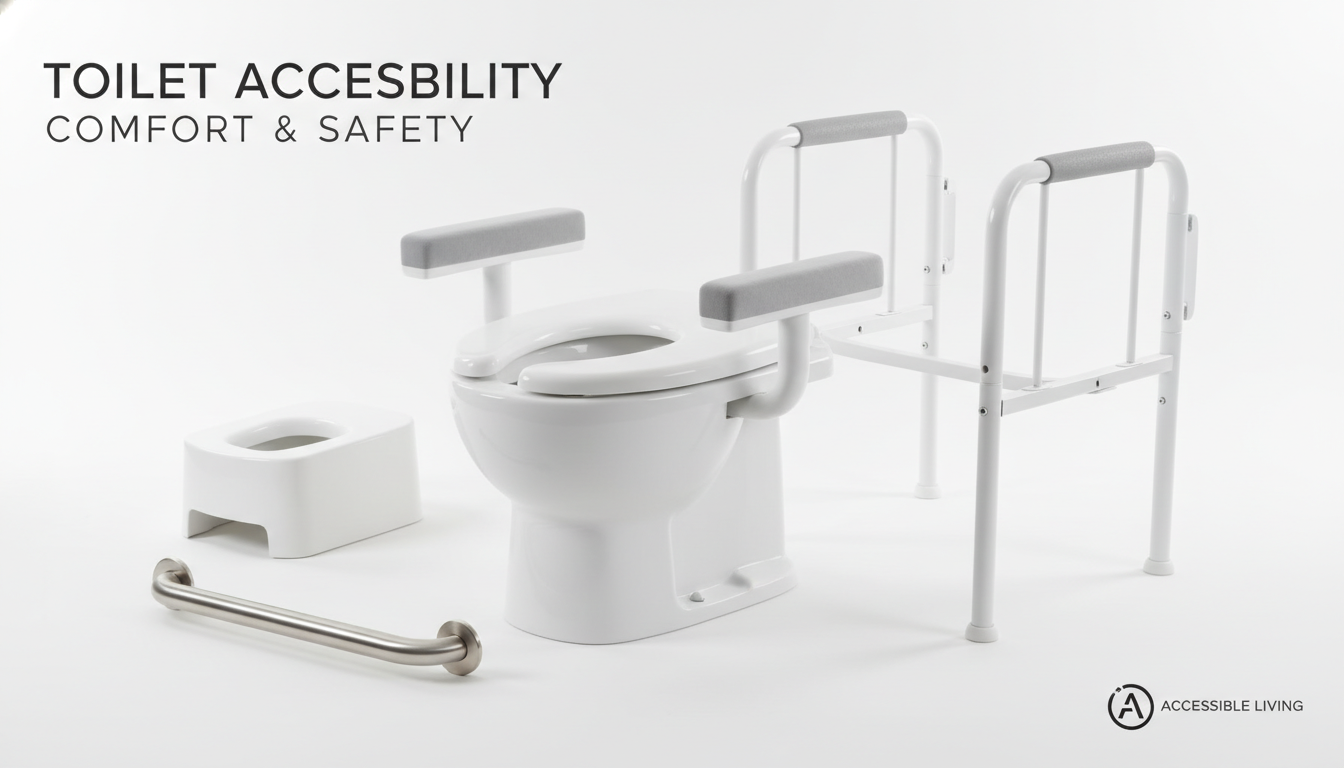 Raised toilet seats and safety frames offer a budget-friendly alternative when replacing the entire toilet is not feasible
Essential Accessories to Pair With a Comfort Height Toilet
A comfort height toilet works best as part of a complete accessible toilet area. We recommend these companion accessories.
Grab Bars
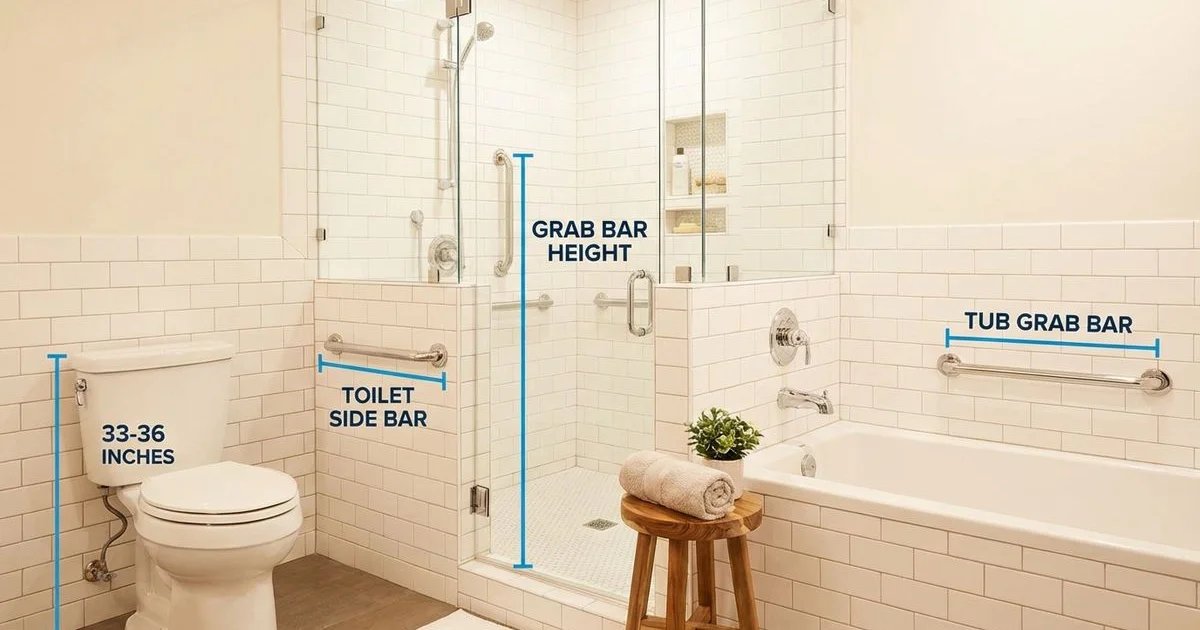
Even with the reduced effort of a comfort height toilet, grab bars provide critical support during the sit-to-stand transition. We install bars on both sides of the toilet whenever possible. Wall-mounted bars should be secured into studs, not just drywall. See our grab bar installation guide for placement specifications. Recommended height: horizontal bars at 33 to 36 inches from the floor, or an L-shaped configuration with the vertical section starting at 33 inches.
Toilet Safety Frame
A freestanding safety frame sits around the toilet and provides padded armrests on both sides. These are ideal when wall-mounted grab bars cannot be installed (tile walls without accessible studs, rental properties). Frames like the Drive Medical RTL12000 and Carex B368-00 clamp directly to the toilet and support 250 to 300 pounds. Cost: $30 to $80.
Bidet Toilet Seat
A bidet seat attachment reduces the physical demands of toileting hygiene, which is an often-overlooked challenge for seniors with limited shoulder or hand mobility. Electric bidet seats from Toto (Washlet series) and BioBidet provide warm water cleansing, warm air drying, and a heated seat. Cost: $200 to $500. These seats are compatible with most comfort height toilets with elongated bowls.
Soft-Close Toilet Seat
Soft-close seats prevent the lid and seat from slamming, which reduces noise and eliminates the risk of pinched fingers. Most comfort height toilets now include soft-close seats as standard, but verify this before purchasing. Aftermarket soft-close seats cost $20 to $60.
Comfort Height Toilet Installation: What to Expect
Replacing a toilet is a straightforward plumbing project. Here is what the process involves and what it costs.
DIY vs Professional Installation
A toilet swap (removing the old toilet and installing a new one on the existing flange) is within the ability of an experienced DIYer with basic tools. The job takes 1 to 2 hours. However, we recommend professional installation for seniors and for situations where the existing flange is damaged, the floor has rotted around the old toilet, or the bathroom is being renovated at the same time.
Installation Costs
- Toilet purchase: $150 to $600 depending on brand and features
- Professional installation: $150 to $300 for a straightforward swap
- Flange repair (if needed): $50 to $150 additional
- Old toilet removal and disposal: Usually included in installation fee
- Total cost: $300 to $900 for a complete toilet upgrade with professional installation
What to Tell the Plumber
If you hire a plumber, specify that you want a "comfort height" or "ADA compliant" toilet installed. Confirm the rough-in measurement before purchasing. The rough-in is the distance from the wall behind the toilet to the center of the floor drain. Standard rough-in is 12 inches, but older homes may have 10-inch or 14-inch rough-ins. A toilet designed for a 12-inch rough-in will not fit properly on a 10-inch rough-in.
Comfort Height Toilet: Pros and Cons
We believe in transparent recommendations. While we strongly recommend comfort height toilets for aging in place, they are not perfect for every situation.
Advantages
- Dramatically easier to sit and stand for seniors, tall adults, and post-surgery patients
- Reduces strain on knees, hips, and lower back
- ADA compliant — meets accessibility standards
- Now the industry default — wide selection and competitive pricing
- Increases home resale value when paired with other aging in place modifications
- Can eliminate the need for caregiver assistance with toileting
Considerations
- Shorter adults (under 5'2") and children may find feet dangling, which can affect comfort and posture
- Some gastroenterologists note that a more upright sitting position is less optimal for bowel movements than the natural squat position — a small footstool can address this
- Slightly more expensive than standard height models (typically $20 to $50 more)
- If the bathroom will be used primarily by children, a standard height toilet may be more appropriate
Pro Tip: In households with mixed users (seniors and young children), consider installing a comfort height toilet with a removable step stool stored nearby. This gives the senior safe, independent access while keeping the toilet usable for smaller family members.
Getting Started
Upgrading to a comfort height toilet is one of the simplest and most impactful bathroom accessibility improvements you can make. Start by measuring your current toilet height (floor to top of seat) and your rough-in distance (wall to drain center). These two measurements determine which models will fit your space.
If you are planning a broader bathroom renovation, the toilet upgrade should be part of a complete bathroom safety overhaul that includes grab bars, non-slip flooring, and shower accessibility. A home safety assessment will identify exactly which modifications your bathroom needs.
For immediate needs on a tight budget, a raised toilet seat with armrests ($30 to $80) provides comparable height benefits today. You can always upgrade to a full comfort height toilet later when the budget allows. Either way, do not let a standard-height toilet remain a daily struggle. The solution is affordable, widely available, and can be installed in a single afternoon.
Ready to Take Action?
A comfort height toilet is just one part of a safe, accessible bathroom. Explore our complete bathroom accessibility guide for the full picture.
Explore Bathroom Accessibility About Margaret Chen
Certified Aging-in-Place Specialist & Senior Care Advisor
CAPS-certified senior care advisor with 15+ years helping families plan for safe aging at home. Margaret specializes in bathroom accessibility and aging in place product recommendations.
Related Articles
Raised Toilet Seat vs Comfort Height Toilet: Which Is Better?
Compare raised toilet seats and comfort height toilets for seniors including costs, pros and cons, and which option works best for your situation.
Senior Bathroom Safety Checklist: 15 Must-Have Upgrades
Essential bathroom modifications for senior safety including grab bars, non-slip surfaces, and lighting improvements.
Grab Bar Installation Guide: Where and How to Install Safely
Step-by-step guide to installing grab bars in bathrooms including proper placement, stud finding, and ADA recommendations.